NFP Report Guide: Why the U.S. Jobs Data Matters for Forex Traders

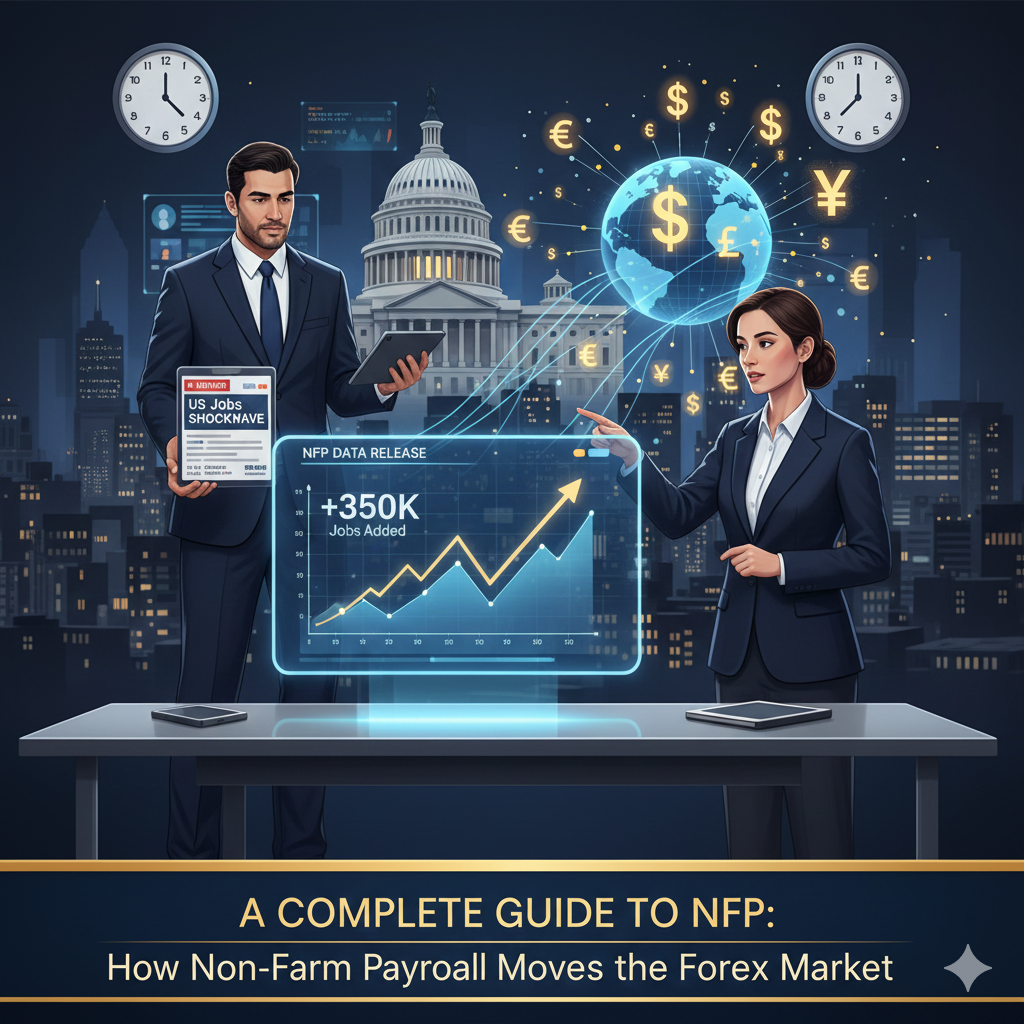
In the world of forex and financial markets, few events create as much anticipation and volatility as the Non-Farm Payroll (NFP) report. Released once a month by the U.S. Bureau of Labor Statistics, the NFP has the power to move the U.S. dollar, shake major currency pairs, and set the tone for market sentiment across global markets. Although it seems like just another economic report, NFP actually reflects the strength of the world’s largest economy, influences central bank decisions, and plays a major role in shaping investor expectations.

This article breaks down what the NFP is, why it matters, how traders interpret it, and how it affects the forex market. Written in a human, explanatory tone, it offers a clear understanding of this powerful economic indicator.


What Is NFP?

The Non-Farm Payroll report tracks the number of jobs added or lost in the U.S. economy during the previous month, excluding workers in certain categories such as agricultural employees, private household staff, and nonprofit organizations. In simple terms, it measures monthly employment growth in most of the major industries in the United States.

Because employment is one of the strongest indicators of economic health, the NFP gives traders and economists a highly accurate picture of how the U.S. economy is performing. A rising employment count typically signals a growing economy, while declining employment suggests weakness.


When Is the NFP Released?

The NFP report is released on the first Friday of every month at a fixed time. This predictable schedule makes it one of the most widely followed events on the financial calendar. Traders know exactly when to prepare, markets adjust their positioning beforehand, and volatility often increases in the hours leading up to the release.

The anticipation surrounding the NFP ensures that, even before the data comes out, markets begin pricing in expectations. As soon as the numbers are published, however, the market reacts instantly, often creating sharp price movements.


Why NFP Matters So Much

The U.S. dollar is the most traded currency in the world, and U.S. economic data affects nearly every corner of global finance. Because NFP directly reflects the strength of the U.S. economy, it holds tremendous importance.

Here’s why:

  1. Employment drives economic growth.
    When more people are working, they earn money, spend money, and help businesses grow. This supports GDP, production, and overall economic activity.
  2. The Federal Reserve watches NFP closely.
    Strong employment numbers may push the Federal Reserve to raise interest rates. Weak numbers may lead them to pause rate hikes or even cut rates. Interest rate speculation is one of the biggest drivers of currency strength.
  3. NFP influences global market sentiment.
    A strong U.S. jobs report can boost confidence worldwide, while a weak report can trigger risk-off behavior where investors move away from risky assets.

For these reasons, NFP is not just a U.S. economic indicator—it is a global market mover.


How NFP Impacts the Forex Market

The forex market reacts almost immediately when NFP numbers are released. Since the U.S. dollar is on one side of most major currency pairs, even a small surprise in the data can cause price swings within seconds.

Immediate Volatility

Right after the release, volatility tends to spike. Currency pairs like EUR/USD, GBP/USD, USD/JPY, and USD/CAD can move sharply within seconds. Spreads may widen, liquidity may shift, and price may move unpredictably.

This is why many traders either avoid trading during the release or approach it with extreme caution.

Directional Movement

If NFP comes in stronger than expected, the U.S. dollar usually strengthens because a stronger labor market suggests a strong economy and possibly higher interest rates.

If NFP is weaker than forecast, the U.S. dollar may fall because traders expect slower growth and weaker monetary tightening.

Whipsaws and Fake Breakouts

One of the biggest challenges of trading NFP is the initial price spike. Markets often react sharply in one direction and then reverse within minutes. This creates “whipsaws,” where traders can be stopped out quickly if they are not careful.


Components Traders Look At

The headline figure—jobs added or lost—is important, but it is not the only part of the report. Traders also analyze:

  1. Unemployment Rate:
    Shows the percentage of people looking for work but unable to find jobs. A low unemployment rate supports a strong economy.
  2. Average Hourly Earnings:
    Tracks wage growth, which is tied to inflation. Rising wages may encourage the Federal Reserve to raise interest rates.
  3. Labor Force Participation Rate:
    Indicates how many people are actively involved in the labor market.
  4. Revisions of Previous Data:
    Sometimes, previous months’ numbers are revised significantly, which can change market perception of economic momentum.

A complete analysis of all these elements gives traders a clearer picture of the real economic trend.


Why Traders Need Caution Around NFP

NFP trading can be highly profitable but also extremely risky. The speed and unpredictability of movements can catch even experienced traders off guard.

Here are the main risks:

1. Widened Spreads

During high volatility, brokers often widen spreads, making it costlier to enter and exit trades. Scalpers and day traders can suffer losses simply because the spread becomes too large.

2. Slippage

Because markets move so quickly, trades may not be executed at the expected price. This delay can turn a profitable trade into a losing one almost instantly.

3. Emotional Decision-Making

The excitement and volatility may cause traders to act impulsively. Chasing the market, entering late, or holding trades too long can lead to unnecessary losses.

4. Fake Moves

The first movement after the NFP release is often misleading. Many traders wait for the initial spike to settle before entering a position based on the true market direction.


How Traders Prepare for NFP

Traders who participate in NFP often prepare well in advance. Some common approaches include:

  • Reducing position sizes
  • Setting wider stop-loss levels
  • Monitoring forecasts from analysts
  • Studying past NFP reactions
  • Avoiding trades during the first minute or two
  • Waiting for a clear trend to form after the initial spike

Some traders choose not to trade NFP at all, preferring to wait until the volatility cools down.


Who Should Trade NFP?

NFP trading is best suited for:

  • Experienced traders
  • Those comfortable with volatility
  • Traders who understand risk management
  • Individuals with a fast and stable trading platform

Beginners may find NFP overwhelming because of rapid price fluctuations. However, it is still useful to follow NFP even if you don’t trade it, as it helps develop an understanding of market behavior.


Final Thoughts

The Non-Farm Payroll report is one of the most influential economic indicators in global finance. It provides insights into U.S. employment, influences monetary policy, and moves the forex market with significant force. Understanding how NFP works—and how traders interpret it—can help anyone navigate the fast-moving world of currency trading more effectively.

For traders, staying informed, managing risks carefully, and knowing when to act or stay out of the market are essential skills when dealing with NFP. Whether you trade it or simply follow it as a market indicator, NFP remains a powerful tool for understanding economic momentum and market direction.


Forex Scalping Explained: How Traders Capture Small, Fast Profits

Forex trading offers a wide range of strategies for different types of traders, and one of the most intense, fast-paced, and skill-driven methods is scalping. Forex scalping is all about capturing very small price movements repeatedly throughout the day. Instead of holding trades for hours or days, a scalper aims to stay in the market for just a few seconds or a couple of minutes. The intention is simple: grab a few pips, close the position, and move on to the next opportunity.

But behind this simplicity lies a system that demands discipline, lightning-fast decisions, and a strong understanding of market behavior. In this article, we break down what forex scalping is, how it works, why traders choose it, and what makes it both profitable and challenging.

What Is Forex Scalping?

Forex scalping is a trading style where traders look to make dozens or even hundreds of trades in a single day. Each trade aims for a very small profit, often just a few pips. Unlike swing traders or position traders, who rely on major price swings, scalpers profit from micro-movements that occur constantly throughout the trading session.

These movements may not mean much to long-term traders, but to a scalper, even a tiny shift in price can offer a trading opportunity. Because of this, scalping is considered one of the most active and hands-on methods in forex trading.

Why Do Traders Choose Scalping?

Many traders are drawn to scalping because it offers a sense of control and immediacy. There is no waiting for long-term trends to develop, no holding positions overnight, and no worrying about global events affecting your trades while you sleep. Instead, everything happens in real time.

Scalping can also be appealing because gains compound quickly. Small profits from multiple trades can add up significantly if executed consistently and correctly. For traders who enjoy speed, precision, and constant engagement, scalping can be one of the most exciting trading styles.

However, the very same features that make scalping attractive also make it demanding. It requires a sharp mind, strict discipline, and the ability to react within seconds.

How Forex Scalping Works

Scalping relies heavily on technical analysis. Scalpers study candles, price patterns, trend directions, and short-term signals. Timeframes such as the 1-minute and 5-minute charts are commonly used. Once a trader identifies a small imbalance in price movement, they enter and exit the market very quickly.

The typical process includes:

  1. Identifying a strong short-term trend or setup.
  2. Entering a position quickly, often using a market order.
  3. Setting a small take-profit target, sometimes just 2 to 5 pips.
  4. Placing a tight stop-loss to protect capital.
  5. Exiting as soon as the target or signal appears.

Because trades occur so rapidly, scalpers need fast execution. Even a slight delay can cause slippage, which may turn a winning trade into a losing one. This is why many scalpers select specific brokers, accounts, and platforms designed for low latency and narrow spreads.

The Tools Scalpers Use

Scalping is not guesswork; it is built around precision and system-based decision-making. Some of the most commonly used tools include:

  • Moving averages
  • Support and resistance zones
  • Trendlines and channels
  • Oscillators like RSI or Stochastic
  • Price action patterns
  • Level 2 market data or order flow (for advanced scalpers)

Each tool helps the trader identify very short-term movements that may last only a minute or less.

Where Scalping Works Best

Scalping is most effective in markets with high liquidity and tight spreads. These conditions offer smooth entries and exits, making it easier to secure small profits without paying too much in transaction costs.

The best market conditions for scalping include:

  • Major forex pairs like EUR/USD, GBP/USD, or USD/JPY
  • Times of high liquidity such as the London session or the overlap between London and New York
  • Low-volatility periods where price moves in a predictable rhythm
  • Platforms that provide quick trade execution and low slippage

Scalping can be riskier when spreads are wide, volatility is extreme, or liquidity dries up, because price may jump unexpectedly, causing losses.

The Importance of Risk Management

Risk management is the foundation of successful scalping. Since scalpers aim for small profits, even one large loss can erase the gains from many successful trades. This makes risk control more important in scalping than in many other trading styles.

Key risk concepts for scalpers include:

  • Using tight stop-loss orders
  • Not overleveraging
  • Keeping position sizes consistent
  • Avoiding emotional trades
  • Sticking to a predetermined plan

A disciplined trader who follows strict rules can survive the fast-paced environment of scalping. On the other hand, emotional trading or greedy decisions can quickly lead to losses.

Scalping Requires Focus and Mental Strength

Scalping is a mentally demanding activity. Traders must remain alert, focused, and ready to react instantly. There’s no room for hesitation or overthinking. Because of this, scalping often feels more like a profession than a hobby.

Successful scalpers usually:

  • Keep distractions to a minimum
  • Avoid trading when tired or overwhelmed
  • Know when to stop for the day
  • Do not chase losses
  • Maintain a calm and controlled mindset

Even though trades last only seconds, the pace can be intense. Those who cannot handle fast markets may find scalping stressful. This is why many traders prefer slower strategies such as swing trading.

Is Scalping Suitable for Everyone?

Scalping is not for every trader. People who enjoy slow, thoughtful analysis may feel pressured by the speed and intensity of scalping. It requires confidence, quick reflexes, and the ability to make decisions without hesitation.

However, for traders who enjoy action, immediate feedback, and a hands-on trading approach, scalping can be extremely rewarding. It can also be a good style for those who cannot commit long hours waiting for trades to develop but can dedicate short bursts of focused time during peak trading hours.

Final Thoughts

Forex scalping is an exciting and fast-moving trading style that can offer impressive results when executed with discipline and skill. It requires a strong understanding of technical analysis, quick decision-making, and the ability to follow a strict trading plan. While the potential to earn from small, frequent gains is attractive, scalping also carries high risks if not approached with caution.

For traders who enjoy energy, speed, and precision, scalping can be one of the most engaging strategies in the forex market. But like all trading methods, it requires practice, patience, and consistent learning to master.

Advanced Forex Trading Strategies Explained

As traders progress from beginners to more experienced market participants, the need for more sophisticated strategies naturally grows. Basic ideas like trend identification or simple moving averages can only take you so far. In the real market environment—where volatility shifts suddenly, economic events surprise investors, and price action becomes unpredictable—traders often turn to advanced strategies to stay ahead. These strategies aren’t merely about seeking higher profits. Instead, they are designed to improve discipline, enhance accuracy, and manage risk more effectively.

Advanced trading strategies combine technical tools, market psychology, risk management techniques, and sometimes even fundamental analysis. They require patience, practice, and a willingness to understand the mechanics behind every decision. This article breaks down the core concepts of advanced trading strategies, explaining how they work, why they matter, and how traders can incorporate them into their own plans.


1. Hedging: A Practical Risk-Reducing Technique

One of the most important advanced strategies is hedging. Think of hedging as insurance for a trading position. The goal is not necessarily to make extra profit, but rather to protect the trader from unexpected losses. In volatile markets—such as during major economic announcements—price movements can be extremely unpredictable. Hedging allows traders to offset this uncertainty by opening a second position that moves in the opposite direction of their primary trade.

For example, if a trader is long EUR/USD but senses potential short-term downward pressure, they might open a smaller short position to limit potential loss. If the market drops, the hedge helps cushion the blow. If the market continues rising, the long position benefits more than what is lost on the hedge. The beauty of hedging is its flexibility: it allows traders to stay in the market without feeling forced to close a position prematurely. While beginners often stay away from hedging because it can appear complex, advanced traders use it regularly to control risk without interrupting their long-term strategy.


2. Using Advanced Technical Indicators for Precision

While beginners rely on simple indicators like moving averages or RSI, advanced traders often use more complex tools that provide deeper insights into market behaviour. Some of these include:

  • Ichimoku Cloud: A multi-layered indicator that provides information about trend direction, support and resistance, and momentum all in one visual structure. It helps traders see not just where price is, but where it might be headed.
  • Fibonacci Retracements and Extensions: These reveal potential levels where price might reverse or pause. They are extremely useful for timing entries and exits during market corrections or breakouts.
  • DeMark Indicators: These tools focus on exhaustion points in trends and can help identify when a trend is losing strength and might soon reverse.

Advanced indicators give traders the ability to make more informed decisions. Instead of reacting emotionally to price movements, traders can rely on the data offered by these tools to understand whether a trend remains healthy or if a reversal may be coming.


3. Choosing the Right Trading Style: Scalping, Day Trading, Swing Trading, and Position Trading

Advanced trading strategies also involve selecting a trading style that aligns with one’s personality, available time, and risk tolerance. The article highlights multiple styles:

  • Scalping: A high-intensity strategy that involves making multiple small trades to capture tiny price movements. It requires quick thinking, speed, and strong discipline.
  • Day Trading: Traders open and close positions within the same day, avoiding overnight risk. This style demands focus throughout the trading session.
  • Swing Trading: Suitable for those who cannot sit in front of the screen all day. Swing traders aim to capture medium-term price swings that may last several days or weeks.
  • Position Trading: The longest-term style, where trades are held for weeks or even months. Traders rely more on major trends and fundamental factors rather than short-term noise.

Understanding and choosing the right trading style is a foundational part of building an advanced strategy. A strategy that works for a scalper may not work for a swing trader, and vice versa. Success comes from aligning technique with temperament.


4. Risk Management: The Foundation of Every Advanced Strategy

Regardless of how sophisticated a strategy looks on paper, none of it matters without strong risk management. Advanced traders understand that survival is more important than short-term profit. The two essential components of effective risk management are position sizing and stop-loss placement.

  • Position sizing determines how large or small a trade should be based on account balance, confidence in the trade setup, and overall market conditions.
  • Stop-loss orders help prevent emotional decision-making by automatically closing trades when losses reach a predefined level.

Advanced traders also use techniques like hedging and scaling (gradually entering or exiting positions) to improve risk control. The ultimate goal is to avoid catastrophic losses that wipe out the account. Advanced strategies are designed not only to maximize gains, but to preserve capital during uncertain periods.


5. Adapting Strategies to Changing Market Conditions

Markets are dynamic. What works in a trending market may perform poorly in a ranging market. A breakout strategy may thrive during periods of high volatility but struggle when volatility is low. Advanced traders constantly monitor market conditions and adjust their strategies accordingly.

This adaptability includes analyzing volatility, identifying whether the market is trending or consolidating, watching for news-driven volatility spikes, and reacting to shifts in trader sentiment. The best traders don’t try to force their strategy on the market—they adjust the strategy so it fits current conditions.


6. Combining Technical and Fundamental Analysis

While technical indicators are powerful, they don’t operate independently of real-world events. Advanced traders incorporate both technical and fundamental analysis into their decision-making process. Fundamental analysis involves studying macroeconomic factors such as interest rates, inflation data, GDP figures, employment numbers, and geopolitical developments.

For example, even a strong technical setup can fail if an interest rate announcement goes against the trade. Similarly, technical signals may help time entries and exits around major fundamental events, providing a powerful combination of prediction and precision.

By blending technical and fundamental factors, advanced traders gain a well-rounded perspective of the market and make more confident decisions.


Conclusion

Advanced trading strategies involve more than finding the “perfect indicator” or copying a strategy from a chart. They require understanding how different elements—risk management, hedging, technical tools, market psychology, and fundamental events—interact with one another. The true strength of advanced trading lies in discipline, adaptability, and a systematic approach to market uncertainty.

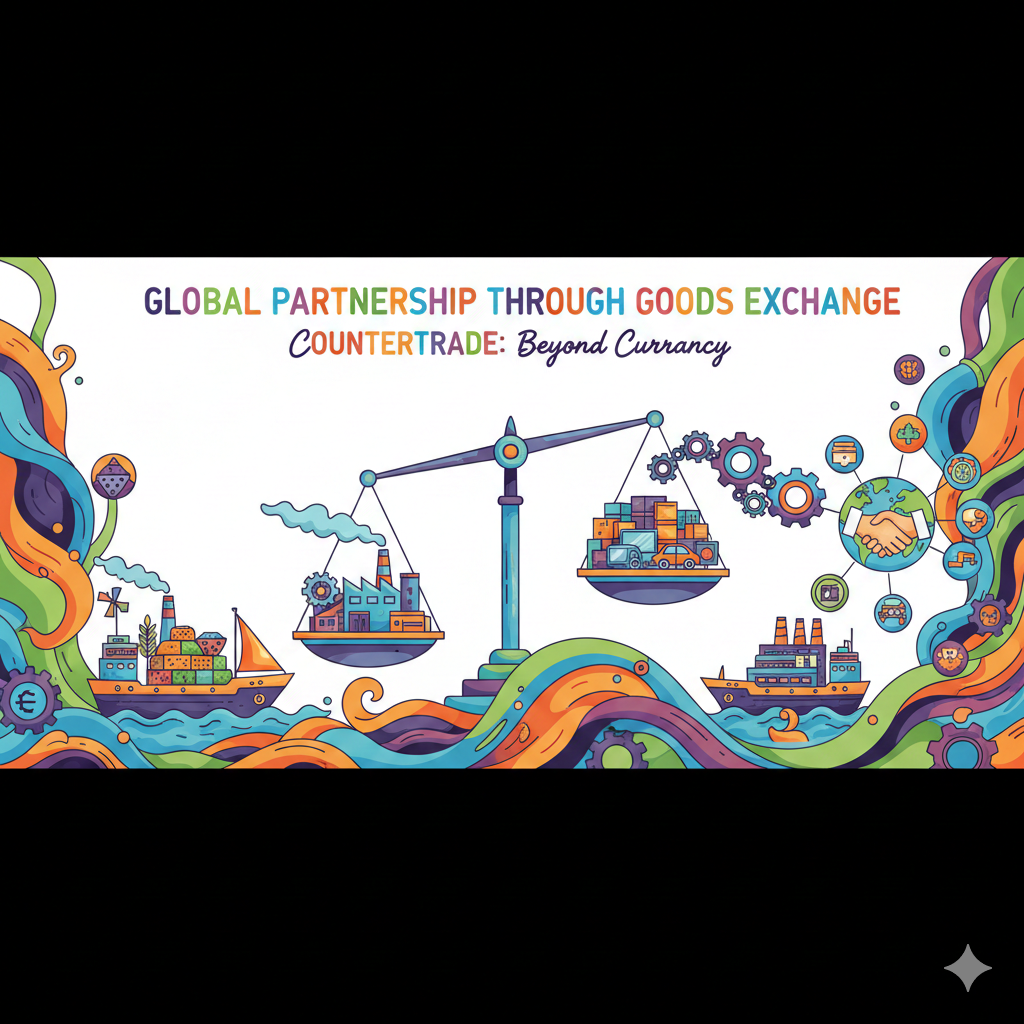
Countertrade Explained: A Deep Dive Into Cashless International Trade

In the world of global business, most people imagine trade as a straightforward exchange: one country pays money, and the other delivers goods or services. But in reality, international trade is not always so simple. Many countries face currency shortages, economic sanctions, or financial instability, making it difficult for them to participate in traditional cash-based trade. This is where countertrade steps in — a system that allows nations to trade without relying heavily on cash. It has been around for decades and remains a vital tool for countries that want to strengthen commercial ties despite financial obstacles.

Countertrade may sound complex at first, but the idea behind it is surprisingly simple: instead of paying in money, countries exchange goods or make future agreements that balance value on both sides. It’s like expanding the old concept of barter into a much more sophisticated and structured form suitable for governments and large corporations.

This article breaks down what countertrade is, how it works, the different types involved, and why many nations still consider it an essential part of international commerce.


What Exactly Is Countertrade?

Countertrade is an umbrella term that refers to a variety of trade agreements where goods, services, or mutually agreed obligations are exchanged instead of relying solely on cash. In simple terms, it’s trade without hard currency.

This type of transaction becomes extremely useful when one or both countries involved face limitations in accessing globally accepted currencies like the US dollar or euro. It also helps nations bypass restrictions, reduce foreign exchange expenditure, and continue expanding their industrial capacity even in tough economic conditions.

Although countertrade is not as common among economically strong nations, it remains highly relevant in developing economies, emerging markets, and regions affected by financial controls.


Why Do Countries Use Countertrade?

The primary reason behind the use of countertrade is necessity. Some nations struggle with foreign currency shortages that make it difficult to import essential goods. Others may face sanctions or trade restrictions that prevent them from using traditional methods of payment. In such cases, countertrade becomes a lifeline.

But beyond necessity, countertrade also offers practical advantages. It supports local industries, stimulates production, increases employment, and sometimes even opens markets that would otherwise remain inaccessible. Many governments use it to promote domestic goods abroad or secure valuable imports such as technology, machinery, or raw materials.

For companies, countertrade can act as a gateway into new markets where normal trade rules are difficult to navigate. Although it requires more negotiation and logistics, the potential rewards can outweigh the effort.


The Main Types of Countertrade

Countertrade includes several different structures. Each type works in a slightly different way, but all share the core principle of exchanging value without depending solely on cash.

1. Barter

This is the simplest and oldest form of countertrade — a direct exchange of one good for another. No money changes hands. While barter may seem outdated, it still appears in global trade, particularly when economic crises create cash shortages.

2. Counterpurchase

This arrangement happens in two linked contracts. In the first contract, an exporter sells goods to a buyer. In the second, the exporter agrees to purchase goods from the buyer’s country at a later date, usually of equal or predetermined value.

For example, a European company might sell machinery to an African country but later commit to buying agricultural products from that same nation. This technique allows both sides to benefit and keeps trade flowing.

3. Offsets

Offsets are common in high-value sectors like aerospace, defense, and large infrastructure projects. In this arrangement, the selling company agrees to support the purchasing country’s economy in some way. This can involve buying goods produced locally, helping local industries grow, or even setting up manufacturing facilities within the buyer’s country.

Offsets help developing nations build capabilities they may not otherwise be able to afford.

4. Buyback

In a buyback deal, a company builds a facility — such as a factory or processing plant — in another country. Instead of receiving cash as payment, the company accepts a portion of the facility’s output over time.

For example, a firm that builds a steel plant might be paid in steel produced by the plant itself.

5. Compensation Trade

This is a hybrid system where part of the payment is made in cash and the rest in the form of goods. It allows the buyer to conserve foreign currency while still completing the purchase.


Advantages of Countertrade

Countertrade offers several benefits, especially for countries with restricted access to international finance.

1. Conserves Foreign Exchange

Some nations simply don’t have enough foreign currency reserves to purchase all needed imports. Countertrade allows them to trade goods instead of depleting their reserves.

2. Opens New Markets

Companies that use countertrade can enter markets where financial barriers would normally prevent them from doing business.

3. Supports Domestic Industries

When countries commit to buying each other’s goods, local industries gain more customers, production increases, and more workers are employed.

4. Builds Long-Term Partnerships

Countertrade deals often involve multi-year agreements. This builds stronger economic ties and encourages cooperation beyond simple one-time purchases.

5. Enhances Industrial Capability

Many countertrade agreements — especially offsets and buybacks — help transfer technology and skills from one nation to another, improving the buyer’s industrial base.


Drawbacks and Challenges

While countertrade can be extremely helpful, it is not perfect. The system comes with several limitations.

1. Complex Negotiations

Because goods replace money, both sides need to agree on value, quantity, quality, and timing. This makes negotiations lengthy and difficult.

2. Valuation Problems

The value of goods may fluctuate over time. A product that is valuable today may be worth much less by the time the exchange happens.

3. Logistical and Storage Costs

Transporting, storing, and delivering goods can be expensive compared to a simple monetary transaction.

4. Quality Issues

There is always a risk that the goods received may not meet expected quality standards, requiring additional inspection or renegotiation.

5. Limited Flexibility

When payment is locked into future purchases, companies may be forced to buy goods they do not really need.


Is Countertrade Still Relevant Today?

Absolutely. While cash-based trade dominates global markets, countertrade remains significant in specific regions and industries. Countries facing economic instability, political sanctions, or large-scale development needs continue to rely on such agreements.

In fact, as global economic uncertainty increases, more nations explore countertrade as a way to maintain access to essential goods and diversify trade partnerships. Even major corporations sometimes use countertrade to secure long-term advantages or win large government contracts.


Conclusion

Countertrade is far more than an outdated method of exchange; it is a vital tool in international trade, especially for countries dealing with currency challenges or financial restrictions. By exchanging goods, services, or mutually agreed obligations instead of cash, nations can continue building industries, strengthening relationships, and ensuring economic stability.

Although it comes with complexities, countertrade opens doors where traditional trade might fail. For many parts of the world, it remains a practical and effective solution — proving that global commerce can find creative ways to thrive even under constraints.

A Complete, Easy-to-Understand Guide to FIX API in Forex Trading

In today’s fast-moving financial markets, speed, efficiency, and accuracy are everything. Whether you’re trading currencies, commodities, or equities, the ability to send and receive information in milliseconds can make a huge difference in your trading results. This is exactly where FIX API comes into the picture. While many traders stick to popular platforms like MetaTrader or cTrader, a growing number of professional traders, institutional players, and advanced retail traders are turning to FIX API for its flexibility and low-latency performance.

But what exactly is FIX API, why is it so important, and how does it differ from standard trading platforms? This 1100-word guide explains the concept in simple language so you can understand its purpose, advantages, and limitations without any technical background.


What Is FIX API? A Simple Explanation

FIX API refers to the Financial Information eXchange Application Programming Interface. It is essentially a communications protocol that allows traders and financial institutions to send trading instructions, receive executions, and stream market data in real time.

Think of it as a fast, secure, standardized way for two systems—like a trader’s program and a broker’s server—to speak to each other. Instead of clicking buttons on a chart, FIX API users send trading commands through coded messages. These messages are extremely lightweight, meaning they can travel faster and more efficiently than traditional platform-based orders.

Originally, FIX API was used mainly by large institutions such as banks, hedge funds, and major brokers. But today, more advanced individual traders also use it, especially those involved in algorithmic or high-frequency trading.


How the FIX Protocol Started

The FIX protocol was created in 1992 to modernize the way equity traders communicated. Before FIX, most trade instructions were transmitted manually—over phones or through clunky systems that slowed down decision-making. The creators of FIX wanted something universal, fast, and standardized that could reduce errors and improve efficiency.

Over time, the protocol grew beyond equities. Today, it is used in forex, commodities, metals, indices, futures, and options markets across the world. It is managed by a non-profit organization in the UK called FIX Protocol Ltd. Because it is non-proprietary, no one “owns” FIX. It is free to use, can be customized, and is constantly being improved by the global financial community.

The most commonly used version today is FIX 4.4, which is widely supported by brokers and institutions.


What Makes FIX API So Popular?

There are several reasons why FIX API has become such an essential part of electronic trading. Its appeal lies in its combination of speed, stability, and flexibility.

1. Extremely Fast and Efficient

FIX messages are incredibly lightweight. They contain only the essential information required to execute or modify an order. Because of this, orders sent through FIX often reach the broker’s server faster than orders sent through traditional trading platforms.

This speed is especially important in strategies that require split-second execution, such as scalping, arbitrage, or high-frequency trading.

2. Multi-Broker Connectivity

One of the biggest advantages of FIX is that you can connect to several brokers at once. This is extremely valuable if you want to:

  • Compare price feeds
  • Access different liquidity pools
  • Split orders across multiple environments
  • Back-test strategies across diverse conditions

Standard trading platforms rarely allow this level of direct connectivity.

3. Works With Most Programming Languages

Because FIX API uses socket communication, a trader or developer can build their trading system using languages like:

  • Python
  • C++
  • Java
  • C#
  • Go
  • JavaScript

This flexibility opens the door for more customized trading algorithms and data-processing tools.

4. Free and Non-Proprietary

The FIX protocol is intended to remain free forever. Anyone can download the specifications and build systems around it. This openness has helped FIX become a global standard for financial communication.


Understanding FIX Engines

To use FIX API, both the broker and the client need software called a FIX engine. These engines send, receive, and interpret FIX messages. They act as the “interpreter” between your application and the broker’s trading servers.

Popular options include:

  • QuickFIX — a widely used open-source FIX engine
  • QuickFIX/J — Java version
  • QuickFIX/N — .NET version

These engines greatly simplify the development process, allowing traders to focus more on strategy rather than building messaging systems from scratch.


Limitations of FIX API You Should Know

While FIX API offers many benefits, it also has certain limitations that beginners should understand before adopting it.

1. No Support for Certain Account Functions

FIX is built mainly for:

  • Real-time market data
  • Placing, modifying, and canceling orders

It does not include messages for:

  • Account balance
  • Equity
  • Used or free margin
  • Historical data
  • Open or closed positions

If a trader needs this information, the broker must provide an alternative API or custom solution.

2. No Historical Data

FIX API only streams live market data. It cannot retrieve past price information. Traders who rely on historical back-testing must gather data from other sources.

3. Limited Transaction Types

The FIX protocol uses a fixed set of message types. Although customizable, it doesn’t offer complete flexibility for extra non-standard operations. This can affect users who need advanced or highly specialized functions.

4. Requires Technical Skills

Unlike MetaTrader, where you click buttons, FIX API requires:

  • Programming knowledge
  • Understanding of networking
  • Familiarity with FIX message formats
  • Ability to build or integrate a FIX engine

For non-technical traders, this can be a barrier.


Is FIX API Free for Retail Traders? The Reality

While the protocol itself is free, gaining FIX access from brokers often isn’t. Many brokers charge extra or require:

  • High minimum deposits
  • High monthly trading volumes
  • A separate approval process
  • Monthly fees or administrative charges

This is because maintaining FIX servers and support teams requires additional resources. Retail traders also need to build their own trading interface or hire developers, adding to the cost.


Why Advanced Traders Prefer FIX API

Despite the challenges, FIX API remains the preferred choice for traders who want maximum control over their trading environment. It offers:

  • Faster execution
  • Direct connection to liquidity providers
  • Better customization options
  • Lower latency than traditional platforms

For algorithmic traders, FIX API is the ultimate tool that allows trading strategies to operate without the limitations of platform-based execution.


Final Thoughts

FIX API is a powerful and professional-grade solution for traders who want direct access to markets without platform limitations. It provides unmatched speed, stability, and flexibility, making it ideal for algorithmic trading, high-frequency strategies, and multi-broker environments.

However, it also requires technical skills, additional setup, and often a higher financial commitment. For traders willing to put in the effort, FIX API offers a major edge in today’s competitive markets.

Term Insurance: Your Family’s Unbreakable Financial Shield 🛡️

In the journey of life, we build careers, homes, and dreams, primarily fueled by a promise: to provide for our loved ones. But what happens if that journey is suddenly cut short? This is where Term Insurance steps in, acting as a crucial, non-negotiable component of a sound financial plan. It is, quite simply, the most effective way to protect your family’s future against the inevitable uncertainties of life.


What Exactly is Term Insurance?

Term insurance is the purest form of life insurance. Its core purpose is singular: protection. Unlike traditional life insurance policies that combine insurance with savings or investment components, term insurance offers a death benefit without any maturity benefit if the policyholder survives the term. This laser focus on risk coverage is why term plans are the most affordable type of life insurance.

The concept is straightforward:

  1. The “Term”: You choose a specific period (the term)—often 10, 20, 30 years, or up to a specific age, like 65.
  2. The Premium: You pay regular premiums for the duration of the policy.
  3. The Payout: If the insured passes away during the agreed-upon term, the insurance company pays a large, pre-determined sum of money (the Sum Assured or Death Benefit) to your named beneficiaries.
  4. The Expiry: If you outlive the policy term, the coverage ends, and the policy expires, typically with no payout, which keeps premiums low and accessible. (While “Term with Return of Premium” variants exist, they have significantly higher costs).

This structure ensures that you can secure a substantial amount of coverage—often ten to twenty times your annual income—for a relatively small annual premium, providing maximum financial leverage exactly when your family would need it most.


The Crucial Importance of Term Insurance

The decision to purchase term insurance isn’t about if you will pass away; it’s about making a responsible plan for those who depend on your income. Its importance spans several critical areas:

1. Income Replacement and Lifestyle Protection

For any family, the loss of a primary earner means the sudden and total cessation of income. Term insurance steps in to fill that void. The payout acts as an income replacement, allowing your family to maintain their current standard of living. It ensures they can continue to pay for daily essentials, utilities, groceries, and household bills without being forced into an immediate and drastic cutback.

2. Debt Management and Liability Clearance

Most modern families carry significant debt, the largest of which is often the home loan (mortgage). Without term insurance, your family could inherit this debt burden, potentially leading to the loss of their home or other valuable assets. A term plan’s death benefit is designed to be a tax-free lump sum (in most jurisdictions) that can be immediately used to clear all outstanding liabilities, leaving your family debt-free and secure.

3. Securing Future Milestones

The dreams you hold for your children—their higher education, their wedding, their first home—are tied directly to your financial contribution. Term insurance guarantees that funds are available to meet these long-term goals, even if you are no longer there to provide them. This makes the policy a powerful commitment to your children’s educational future.

4. Financial Cushion for a Non-Earning Spouse

If your spouse is a homemaker or relies on your income, the policy provides a substantial financial cushion for their long-term survival and retirement. It gives them the freedom and time to adjust, potentially re-skill, or simply continue living without the immediate pressure of having to earn.


A Story of Foresight: The Sharma Family

Meet Rahul Sharma, a 35-year-old marketing professional, husband to Priya, and father to two young daughters. Like many, Rahul felt term insurance was a distant necessity. He had a mortgage, car payments, and the ever-growing expense of private schooling.

A financial advisor convinced Rahul that securing a ₹2 crore term policy was not an expense, but an act of love and responsibility. Rahul opted for a 30-year term, paying a manageable monthly premium.

A few years later, an unfortunate, sudden illness took Rahul away. The grief was profound, but the financial devastation was averted. Within weeks, the ₹2 crore death benefit was transferred to Priya.

  • She immediately paid off the remaining ₹50 lakh mortgage, securing the family home.
  • She allocated a portion to an educational fund, ensuring her daughters’ college dreams remained intact.
  • The remainder was invested in conservative instruments, providing an annual income supplement that allowed her to be present for her grieving children without having to rush back to the job market.

For the Sharma family, the term policy wasn’t just a piece of paper; it was the bridge of security that Rahul built before he left, allowing his family to grieve and rebuild their lives without the crushing weight of financial ruin.


Taking the First Step

The cost of delaying term insurance only goes up with age and any potential health issues. The time to secure your family’s future is today, while you are young and healthy, locking in the lowest possible premium for decades to come.

Term insurance is the ultimate expression of financial responsibility. It is the peace of mind that allows you to live fully, knowing that the most important people in your life will be taken care of, no matter what tomorrow brings.

ICICI Pru iProtect Smart Plus

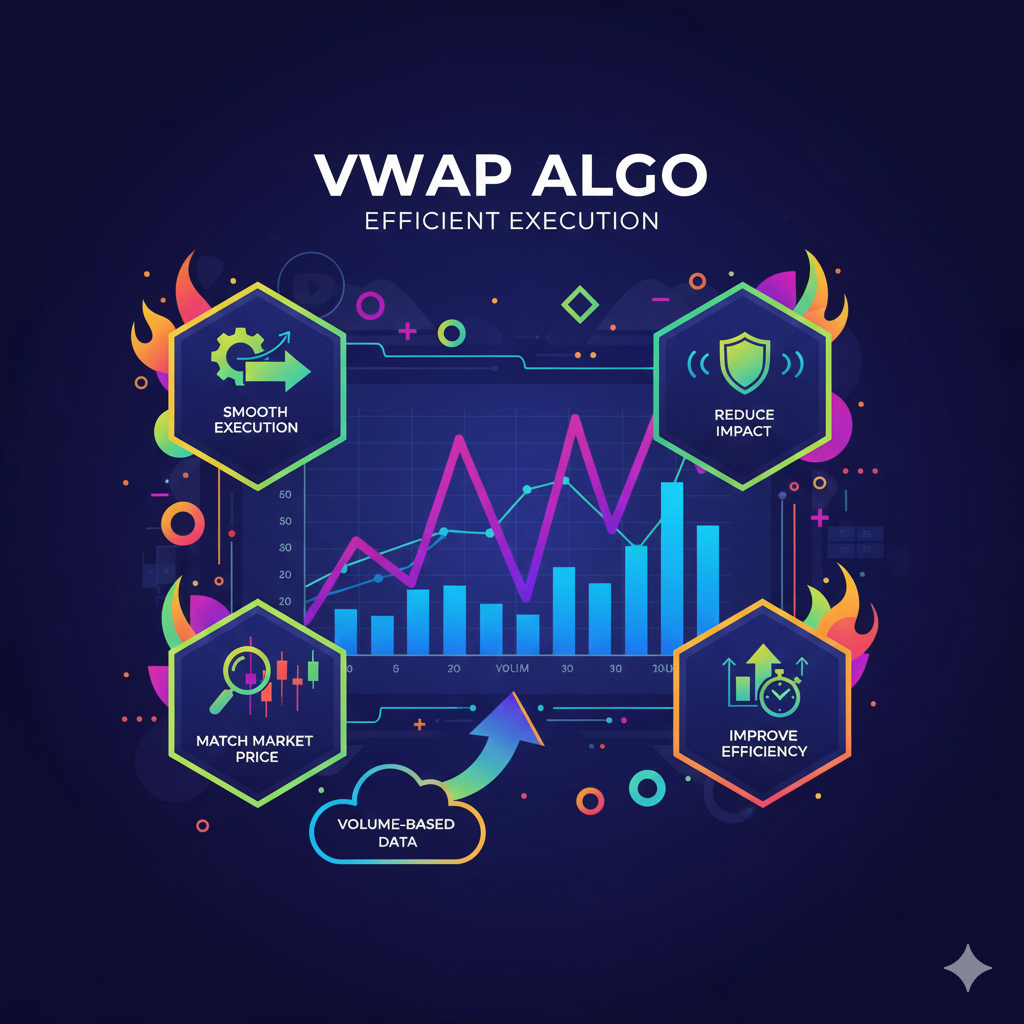
VWAP Algo Made Simple: How It Helps You Trade Smarter

In modern financial markets, trading has become faster, more data-driven, and highly competitive. Both institutional traders and advanced retail participants rely heavily on algorithmic tools to improve their trade execution and minimize costs. Among the many algorithms used today, the VWAP Algo—short for Volume-Weighted Average Price Algorithm—stands out as one of the most trusted and widely applied. It plays an important role in helping traders execute large orders without disrupting market prices or attracting unnecessary attention.

To understand why VWAP Algo is so important, it’s essential to first understand the underlying concept of VWAP itself. VWAP represents the average price of a security throughout the trading session, based not just on the price but also the volume traded at each price level. Unlike simple moving averages that only consider price, VWAP incorporates how many shares were actually traded at those prices, giving a more realistic picture of the market’s true value. In simple terms, it answers the question: “What was the average price paid by traders today, weighted by how much they bought and sold?”

Now, the VWAP Algo is a trading strategy designed to execute orders in a way that closely matches the VWAP price. Instead of placing a large order all at once—which could push the price up or down depending on the direction of the trade—the algorithm breaks the order into small, manageable pieces. These smaller orders are executed gradually over time, usually following a schedule that reflects real-time volume and market activity. The goal is to ensure that the trader achieves an average execution price that is as close as possible to the VWAP, ensuring fairness and minimizing market impact.

This approach is especially important for institutional investors such as hedge funds, mutual funds, pension funds, and large trading firms. These participants often need to buy or sell significant quantities of shares—sometimes worth millions or even billions of dollars. If they were to enter all of these orders in the market at once, it could create a shock. For example, a large buy order may push prices higher, causing the institution to pay more than intended. Similarly, a large sell order may drive the price lower, reducing the returns of the fund. VWAP Algo becomes a solution to this problem by smoothing out the execution process and helping traders blend into normal market activity.

Another crucial reason why VWAP Algo is popular is that it reflects market sentiment. When the price of a stock stays above the VWAP during the day, it is often seen as a sign of underlying strength and bullish sentiment. On the other hand, when prices remain below the VWAP, it may signal weakness or bearish pressure. Even traders who do not use VWAP-based algorithms still monitor the VWAP line on their charts to understand where the market stands relative to this key benchmark. This dual utility—both as a market indicator and an execution tool—makes VWAP unique compared to many other algorithms that do only one task.

The VWAP Algo also provides traders with more transparency in their performance evaluation. Once the order is completed, traders can measure how effectively the algorithm performed by comparing the trade’s average execution price with the actual VWAP of the day. If the execution price is better than or close to the VWAP, the algorithm is considered successful. This clarity helps traders assess whether to continue using the algorithm, adjust their trading strategies, or explore alternatives.

However, just like any tool, VWAP Algo is not perfect and comes with limitations. One of the biggest challenges arises in low-volume markets. Since VWAP is heavily dependent on volume, the algorithm works best when there is consistent market activity throughout the trading session. In illiquid or low-volume stocks, the VWAP calculation may be uneven or unreliable because the volume is not distributed smoothly. In such cases, the VWAP Algo may end up executing trades too aggressively or at unfavorable prices simply because the algorithm tries to match a benchmark that is not stable. Moreover, in markets where volume spikes unexpectedly—such as during news announcements, earnings releases, or market-wide volatility—the VWAP Algo may lag behind the fast-changing environment.

Traders using VWAP Algo also need to be aware that the algorithm follows a predictable pattern based on market volume. Sophisticated market participants, especially high-frequency traders, can sometimes detect the presence of VWAP execution and try to trade around it to take advantage of the pattern. This phenomenon, known as “algo sniffing,” may cause slippage or slightly worsen execution in certain conditions.

Despite these limitations, VWAP Algo remains one of the most widely used and foundational algorithms in the trading world. Its role is especially important in markets where transparency, fairness, and minimal price disruption are prioritized. For large investors who need to execute trades responsibly and avoid unnecessary attention, VWAP Algo provides an efficient, structured, and disciplined approach to entering and exiting positions.

Retail traders can also benefit from watching VWAP, even if they don’t use the algorithm itself. Many intraday traders use the VWAP line as a dynamic support and resistance marker. For example, a common trading strategy is to buy when prices cross above VWAP after staying below it for a period of time, signaling a shift in momentum. Similarly, traders might sell or short a stock when prices fall below the VWAP, indicating weakening sentiment. These simple observations show how VWAP’s importance extends far beyond institutional trading desks.

In summary, VWAP Algo plays a significant role in today’s markets by balancing the need for efficient execution with the goal of maintaining market stability. It helps traders achieve fair pricing, reduces the market impact of large orders, and provides a structured way to evaluate execution performance. While not flawless, especially in low-volume environments, VWAP Algo remains one of the most effective tools for both institutions and advanced traders who prioritize disciplined, data-driven trading. As markets continue to evolve and algorithmic trading becomes even more advanced, VWAP Algo will likely remain a cornerstone in execution strategies for years to come.

If you need a 158-character SEO summary or a more detailed breakdown, feel free to ask!

A Comprehensive Guide to the NSE Forex and Commodities Training Program

The financial markets today offer countless opportunities for individuals who are willing to learn, adapt, and build skill-based knowledge. Among them, the forex and commodity markets stand out due to their global relevance, high liquidity, and potential for consistent returns when handled with discipline. Understanding how these markets work, how instruments are priced, and what factors drive price movements can give traders and investors a major edge.

To help learners gain this expertise, the National Stock Exchange (NSE) offers a structured and practical Forex and Commodities Training Program. Designed as a beginner-friendly yet detailed learning experience, the course focuses on the fundamentals, trading mechanisms, and risk management principles that govern currency and commodity markets. This article explains the course in a human-friendly, comprehensive way, covering its structure, content, objectives, and benefits.


A Flexible Course Designed for Modern Learners

One of the strongest features of this program is its flexibility. Unlike traditional classroom-based courses, the NSE training is entirely online and self-paced. This means learners can access the content anytime, progress at their own speed, and revisit concepts whenever needed.

The course is around ten hours long, which is ideal for individuals who want focused, high-quality learning without committing to lengthy schedules. Another highlight is that the certification awarded at the end of the course comes with lifetime validity. There is no expiry, no renewal requirement, and no additional steps needed to maintain the certificate. For working professionals, students, and market enthusiasts, this format removes time pressure and makes learning both convenient and stress-free.


Understanding the Purpose of the Program

The core aim of the NSE Forex and Commodities Training Program is to simplify the functioning of two dynamic markets—forex and commodities—while also showing how they are interconnected. Many traders look at these markets separately, not realizing that global commodity prices can influence currency values and vice versa. For example, oil prices often impact the currencies of oil-exporting and oil-importing nations.

Through structured modules, the course teaches participants how to interpret these relationships and use them in real-world trading scenarios. It also provides a foundation for identifying new trading opportunities, managing risk in volatile environments, and making informed financial decisions instead of impulsive or emotional ones.


Detailed Coverage of Futures and Options

A major portion of the program covers futures and options—two of the most widely used derivative instruments across global markets. Beginners often find these instruments intimidating, mainly because of terms like strike price, premium, payoffs, hedging, and arbitrage. The course breaks these concepts down into simple explanations and real-world examples.

Learners explore how futures contracts are created, how prices are determined, and how traders can use these instruments to protect their portfolios. For instance, a business that imports goods can use currency futures to hedge against exchange rate fluctuations. Similarly, commodity futures can help traders lock in prices to avoid losses during volatile market phases.

Options, being more flexible than futures, also get dedicated attention. The course explains the difference between call and put options, how premiums work, and how options can be used not just for speculation but also for controlled-risk strategies. These insights help participants develop a solid base for understanding more advanced strategies later on.


Deep Dive into the Commodity Market Structure

The commodity market is one of the oldest financial markets in the world, dealing with raw materials like metals, energy products, and agricultural goods. However, many new traders lack clarity on how commodity pricing works, what instruments are available, or how trades are settled. The course addresses all these gaps.

It covers capital requirements for trading commodities, explains trading instruments available on exchanges, and walks learners through the entire lifecycle of a commodity futures contract—from order placement to clearing, margin requirements, daily settlements, and final expiry.

Risk management in commodities is treated with high importance because commodity prices can fluctuate sharply due to global events, supply shortages, geopolitical tensions, or weather patterns. By understanding how risk is measured and controlled, participants become better equipped to handle market volatility.


Essential Concepts of the Forex Market

The forex market is the largest and most liquid financial market globally, operating 24 hours a day across different time zones. Yet, most beginners know only the basics—currency pairs and exchange rates. The program goes much deeper.

It explains how currencies are quoted (for example, USD/INR), what determines exchange rate movements, and how global macroeconomic developments such as interest rate changes, inflation data, or geopolitical events influence currency strength.

Learners are introduced to different exchange rate systems such as fixed, floating, and managed floating systems. The course also clarifies the difference between spot markets and forward markets and explains how currency forwards are used by businesses and traders to plan for future obligations.

These lessons help participants interpret currency charts more confidently and understand the reasons behind daily moves in major currency pairs.


Trading Infrastructure and Regulatory Framework

Trading in financial markets involves more than simply placing buy and sell orders. It requires a deep understanding of how exchanges operate, how trades are cleared and settled, and what risk management systems protect traders.

The program thoroughly explains the trading infrastructure that powers both forex and commodity markets. This includes margining systems, mark-to-market settlements, clearing corporations, and risk control mechanisms.

The course also touches on the regulatory environment that governs these markets. Commodity and currency trading is supervised by specific authorities, and understanding their rules helps traders operate within legal boundaries and avoid compliance issues. Even taxation elements related to commodity trading are discussed to ensure learners have a complete picture of the financial ecosystem.


Who Can Benefit From This Program?

One of the strengths of the NSE training program is its inclusiveness. It does not require participants to have prior financial knowledge or market experience. The course is suitable for:

  • Aspiring traders and investors
  • Working professionals in finance, IT, BPO, and banking
  • Brokers and sub-brokers
  • Students exploring financial markets
  • Anyone curious about forex or commodities

Because the program breaks down complex topics into easy-to-understand lessons, it serves both beginners and those who want to refresh their trading fundamentals.


Building Practical, Market-Ready Skills

By the end of the course, learners develop the ability to analyze price movements, understand fundamental and derivative concepts, and identify trading opportunities in both commodities and currency markets.

The focus is not just on theory but also on practical market understanding—how prices behave, how risks develop, and how traders can position themselves smartly. With trading becoming more accessible today, this kind of structured learning helps individuals avoid costly mistakes and build disciplined trading habits.

⭐ What Is a Stock? A Simple, Easy-to-Understand Guide

What Is a Stock If you’re new to the stock market, the first and most important thing to understand is this: What exactly is a stock?
Many beginners imagine it as something complicated, but the concept is surprisingly simple.

A stock is just a tiny piece of a company. When you buy a stock, you are buying a share of that company — which means you become a part-owner, even if the ownership is very small.

Think of a company like a big pizza.
If you cut the pizza into slices, each slice becomes a share. When you buy one slice, you own a part of that pizza.
Similarly, companies divide themselves into many shares and sell them to the public. The people who buy these shares are called shareholders.


⭐ Why Do Companies Sell Stocks?

Companies need money to grow. They may want to:

  • Launch new products
  • Expand into new cities
  • Improve technology
  • Pay off loans

Instead of taking money only from banks, companies raise funds by selling shares to the public.

This process, where a company sells its shares for the first time, is called an IPO (Initial Public Offering).
Once the IPO is completed, the company’s shares start trading every day on stock exchanges like NSE and BSE.


⭐ Why Do People Buy Stocks?

Most people invest in stocks for two key reasons:

1. To Grow Their Wealth

As a company becomes more successful, its stock price usually increases.
If you buy a stock at ₹100 and later it goes up to ₹150, you earn ₹50 profit. This increase is called capital appreciation.

2. To Earn Dividends

Some companies share their profits with shareholders.
This share of profit is known as a dividend.
It’s like getting a small reward just for holding the stock.


⭐ How Do You Make Money from Stocks?

There are two simple ways:

🔹 1. Capital Appreciation

You buy a stock at a lower price and sell it at a higher price.
Example:
Buy at ₹1,000 → Sell at ₹1,300 → Profit = ₹300

🔹 2. Dividend Income

Some companies pay dividends regularly.
Example:
Dividend = ₹5 per share
Your holding = 100 shares
Your dividend income = ₹500


⭐ A Real-Life Example

Suppose you buy 10 shares of Reliance at ₹2,000 each.

  • Your total investment = ₹20,000
  • After a year, if the stock rises to ₹2,400
  • Your total value becomes = ₹24,000
  • Profit = ₹4,000

Plus, if the company announces a dividend, you earn extra without selling your shares.

This is how wealth grows slowly and steadily in the stock market.


⭐ Types of Stocks

To make things easier, stocks are usually grouped into three major categories:

🟩 Large Cap Stocks

Big, trustworthy companies like TCS, Reliance, HDFC Bank.
They are stable and less risky.

🟨 Mid Cap Stocks

Medium-sized companies with good growth potential.
They offer better returns but a bit more risk.

🟥 Small Cap Stocks

Small companies that can grow very fast.
They offer high returns but also come with high risk.


⭐ Is the Stock Market Risky?

Yes, there’s risk — because stock prices keep moving up and down.
But the stock market is not gambling.
Risk reduces when you:

  • Invest in quality companies
  • Stay invested for the long term
  • Diversify your portfolio
  • Study basic fundamentals

With knowledge and patience, the stock market becomes one of the best ways to create long-term wealth.


⭐ Final Thoughts

A stock is simply a share of a company — a way for you to become a part-owner. When the company grows, you grow with it.
You can earn through price appreciation and dividends, making stocks a powerful tool for building wealth over time.

Take it slow, learn step by step, and invest wisely. That’s the real secret to success in the stock market.

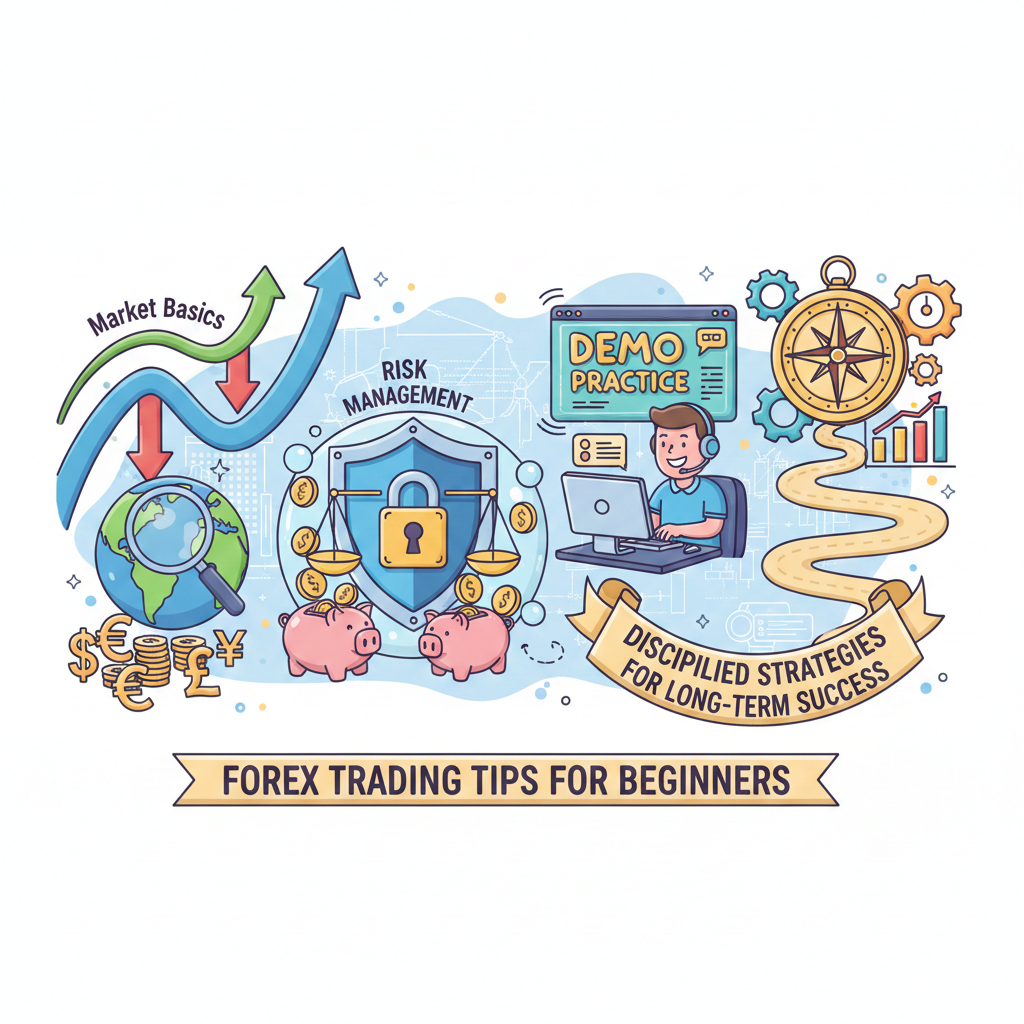
A Beginner’s Guide to Smart Forex Trading: What You Really Need to Know

Forex trading attracts millions of new traders each year because of its accessibility, liquidity, and the possibility—although never the guarantee—of meaningful returns. But for all its opportunities, the forex market can be intimidating for beginners. Charts move fast, currencies react instantly to global events, and inexperienced traders often make emotional decisions that hurt their results.

To start on the right path, it’s essential to build a foundation based on knowledge, discipline, and risk control. Below is an in-depth, human-friendly explanation of the most important principles every new forex trader should master. These principles come from widely accepted trading best practices and align with the insights shared in Forex.com’s beginner trading guidelines.


1. Understand What Really Moves the Forex Market

Before entering a trade, you should know why a currency pair might move in the first place. The forex market doesn’t behave randomly—its movements usually relate to economic indicators, central bank actions, global news, and market sentiment.

For example:

  • When inflation rises in a country, its central bank may hike interest rates, making its currency stronger.
  • Positive GDP or employment data may cause investors to buy that currency.
  • Political instability or natural disasters can weaken a currency as investors seek safer alternatives.

Understanding these relationships helps you separate high-quality trading opportunities from impulsive decisions. A beginner quickly becomes more confident once they understand why a particular currency is gaining or losing strength.


2. Build a Solid Trading Plan Before You Start

One of the biggest mistakes beginners make is entering the forex market without a clear plan. Trading without structure often leads to emotional decisions, revenge trading after a loss, or taking unnecessary risks. A proper trading plan acts like a road map—it keeps you focused, consistent, and disciplined.

A strong trading plan should include:

  • Your financial goals — Are you aiming for slow long-term growth or short-term active trading?
  • Your preferred trading style — scalping, day trading, swing trading, or position trading.
  • Entry and exit rules — so you know exactly when to open or close trades.
  • Risk per trade — typically beginners risk 1–2% of their account on any single setup.
  • How you evaluate and review your trades — to learn and improve over time.

Setting these rules in advance reduces stress and helps you stay consistent, because you’re no longer reacting emotionally—you’re following your own trusted system.


3. Practice With a Demo Account Before Touching Real Money

Forex trading platforms can feel overwhelming at first. There are different types of orders, charting tools, indicators, and technical analysis features. Jumping straight into live trading without understanding these basics is risky.

A demo account lets you:

  • Test strategies without financial risk
  • Learn how to open and close positions
  • Understand how spreads and swaps work
  • Get comfortable with risk-management tools like stop-loss and take-profit orders
  • Build confidence through experience

Though demo results don’t reflect the emotional pressure of trading real money, they are crucial for developing your skills. Treat your demo account like real capital, and you’ll be far better prepared for live markets.


4. Risk Management Is the Heart of Long-Term Success

Regardless of how good your strategy is, no trader wins all the time. Losses are a natural part of trading. What separates successful traders from unsuccessful ones is how they manage those losses.

Beginners often make the mistake of putting too much money into a single trade or skipping stop-loss orders. But risk management is what protects your account from unexpected market swings.

Here are the most important risk-management principles:

  • Never risk more than you can afford to lose.
  • Use stop-loss orders to limit potential damage.
  • Avoid oversizing your trades. A small account doesn’t justify very large positions.
  • Diversify—don’t put all your capital into a single currency pair.
  • Know your maximum daily and weekly loss limits.

Good risk control ensures you stay in the game long enough to learn, improve, and eventually succeed. Many experienced traders say risk management is more important than strategy—because strategy wins trades, but risk control protects your capital.


5. Know When to Stop Trading

New traders often get emotionally attached to their trades. If they lose, they may try to win it back immediately. If they win, they may feel overconfident and take unnecessary risks. Both behaviors lead to poor decision-making.

The ability to stop—whether after a winning streak, a losing streak, or simply when you’re not in the right mental state—is a crucial skill. Good traders know that the market will always be there tomorrow. You don’t need to trade every hour or chase every opportunity.

Some important habits include:

  • Stopping for the day after hitting your loss limit
  • Taking breaks if you feel emotional, stressed, or impatient
  • Avoiding trading when tired or distracted
  • Pausing after a big win to avoid overtrading

Trading is a mental game. Being able to step back gives you clarity, renews your discipline, and prevents costly mistakes.


6. Commit to Continuous Learning

The forex market changes constantly. Economic cycles shift, central banks adjust policies, geopolitical events emerge, and new strategies become popular. Because of this, forex trading is not a skill you learn once and master forever—it’s a continuous learning process.

A great trader is always improving by:

  • Studying the market daily
  • Reviewing past trades to identify mistakes
  • Learning new strategies
  • Keeping track of financial news
  • Refining risk management rules
  • Staying updated with global economic developments

Every trade teaches you something. Over time, you learn to identify high-quality setups, understand market behavior, and develop your own trading personality. The more you learn, the more confident and skilled you become.


Final Thoughts

Forex trading offers immense opportunity, but it demands knowledge, patience, and discipline. Beginners who rush into the market without preparation often lose money. But those who take time to understand market drivers, build a solid plan, practice responsibly, and manage risk with precision give themselves a real chance to succeed.

By following the core principles—market understanding, planning, risk control, continuous learning, and emotional discipline—you can approach forex trading in a smarter, safer, and more structured way. In the long run, these habits are what separate disciplined traders from impulsive ones.