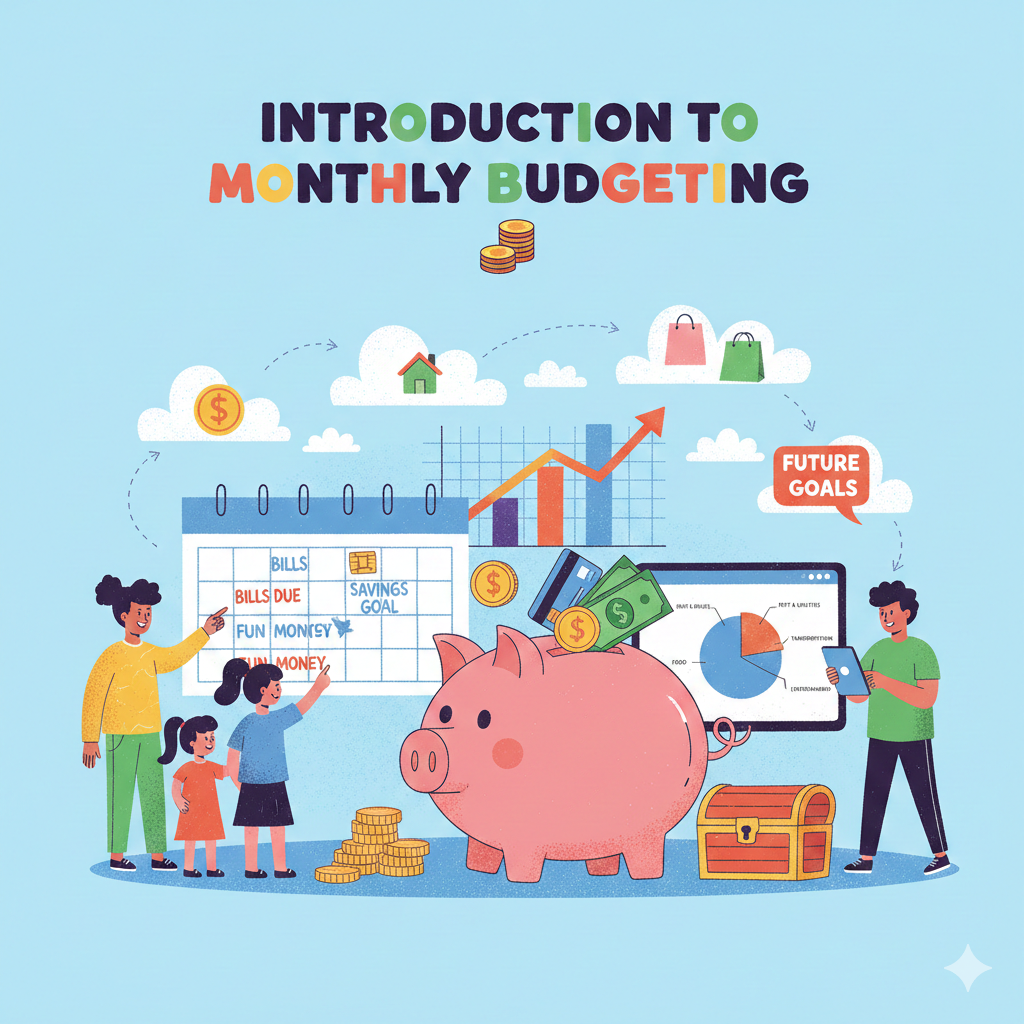
Creating and maintaining a monthly budget is one of the most important steps a person can take to gain control over their finances. A budget is essentially a written plan that shows how money will be earned, spent, and saved over a specific period, usually one month. While many people think of budgeting as restrictive or complicated, it is actually a practical tool that helps individuals make informed decisions about their money and work toward financial stability and personal goals.
At its core, budgeting is about understanding where your money comes from and where it goes. Without a budget, it is easy to lose track of spending and wonder why there never seems to be enough money left at the end of the month. A budget provides clarity by organizing income and expenses into categories, making it easier to see spending patterns and identify areas where changes may be needed. Rather than limiting freedom, a budget empowers people to use their money in ways that align with their priorities.
One of the first steps in creating a budget is identifying financial goals. These goals can be short-term, such as paying off a credit card or saving for a vacation, or long-term, such as buying a home, building an emergency fund, or preparing for retirement. Setting goals gives budgeting a clear purpose and helps motivate consistent effort. When people know what they are working toward, they are more likely to stick to their budget and make thoughtful financial choices.
After setting goals, the next step is determining monthly income. This includes all sources of money received regularly, such as wages, salaries, tips, side jobs, or government benefits. It is important to calculate income carefully, using take-home pay rather than gross income, so the budget reflects the actual amount of money available to spend. For individuals with irregular income, estimating a monthly average or using the lowest expected amount can help avoid overspending.
Once income is identified, expenses should be listed and organized. Expenses generally fall into two main categories: fixed and variable. Fixed expenses are costs that stay the same each month, such as rent or mortgage payments, insurance premiums, car payments, and subscription services. These expenses are usually predictable and easier to plan for. Variable expenses, on the other hand, can change from month to month. Examples include groceries, transportation, dining out, entertainment, and personal items. Tracking these expenses carefully is essential, as they are often the areas where overspending occurs.
Estimating expenses accurately is a critical part of budgeting. Reviewing bank statements, receipts, or credit card records from previous months can provide a realistic picture of spending habits. Many people underestimate how much they spend on small purchases, such as coffee or online shopping, which can add up quickly. By being honest and detailed when listing expenses, individuals can create a budget that truly reflects their financial reality.
After income and expenses are estimated, the next step is comparing the two. Ideally, income should be greater than or equal to expenses. If expenses exceed income, adjustments must be made. This might involve cutting back on non-essential spending, finding ways to reduce fixed costs, or increasing income through additional work. If income exceeds expenses, the extra money can be directed toward savings, debt repayment, or other financial goals.
Saving money is an essential part of any budget. Savings should be treated as a priority rather than an afterthought. This can include building an emergency fund to cover unexpected expenses, setting aside money for future goals, or contributing to retirement accounts. Even small amounts saved consistently can make a significant difference over time. Including savings as a regular budget category helps ensure that financial goals are actively supported.
Tracking actual spending is another crucial aspect of budgeting. Creating a budget alone is not enough; it must be monitored regularly. Tracking allows individuals to compare planned spending with actual spending and identify differences. This process helps highlight problem areas and provides insight into spending habits. Whether tracking is done through a notebook, spreadsheet, or budgeting app, consistency is key. Checking spending weekly or monthly helps prevent small issues from becoming major financial problems.
Budgets are not meant to be perfect or permanent. Life circumstances change, and budgets should be flexible enough to adapt. Unexpected expenses, changes in income, or new financial goals may require adjustments. Reviewing and updating the budget regularly ensures it remains realistic and effective. Making adjustments is not a sign of failure; rather, it shows that the budget is being used actively and thoughtfully.
Another important benefit of budgeting is reducing financial stress. When people have a clear plan for their money, they are less likely to feel anxious about bills or unexpected expenses. A budget creates a sense of control and confidence, making it easier to handle financial challenges. Over time, consistent budgeting can lead to better money habits and improved overall financial well-being.
Budgeting also helps individuals avoid unnecessary debt. By planning expenses and tracking spending, people are less likely to rely on credit cards or loans to cover basic needs. When debt does exist, a budget can help create a repayment plan that fits within monthly income. This structured approach makes debt more manageable and supports long-term financial health.
In addition to practical benefits, budgeting encourages mindfulness and responsibility. It requires individuals to reflect on their values and priorities, deciding what truly matters to them. Whether it is saving for education, supporting family, or enjoying hobbies, a budget helps ensure money is spent intentionally. Over time, this awareness can lead to more satisfying and meaningful financial decisions.
In conclusion, creating a monthly budget is a powerful tool for managing money effectively. By identifying financial goals, tracking income and expenses, monitoring spending, and making adjustments as needed, individuals can take control of their finances and work toward greater stability and security. Budgeting is not about restriction but about making informed choices and planning for the future. With patience and consistency, budgeting can become a positive habit that supports both financial success and peace of mind.