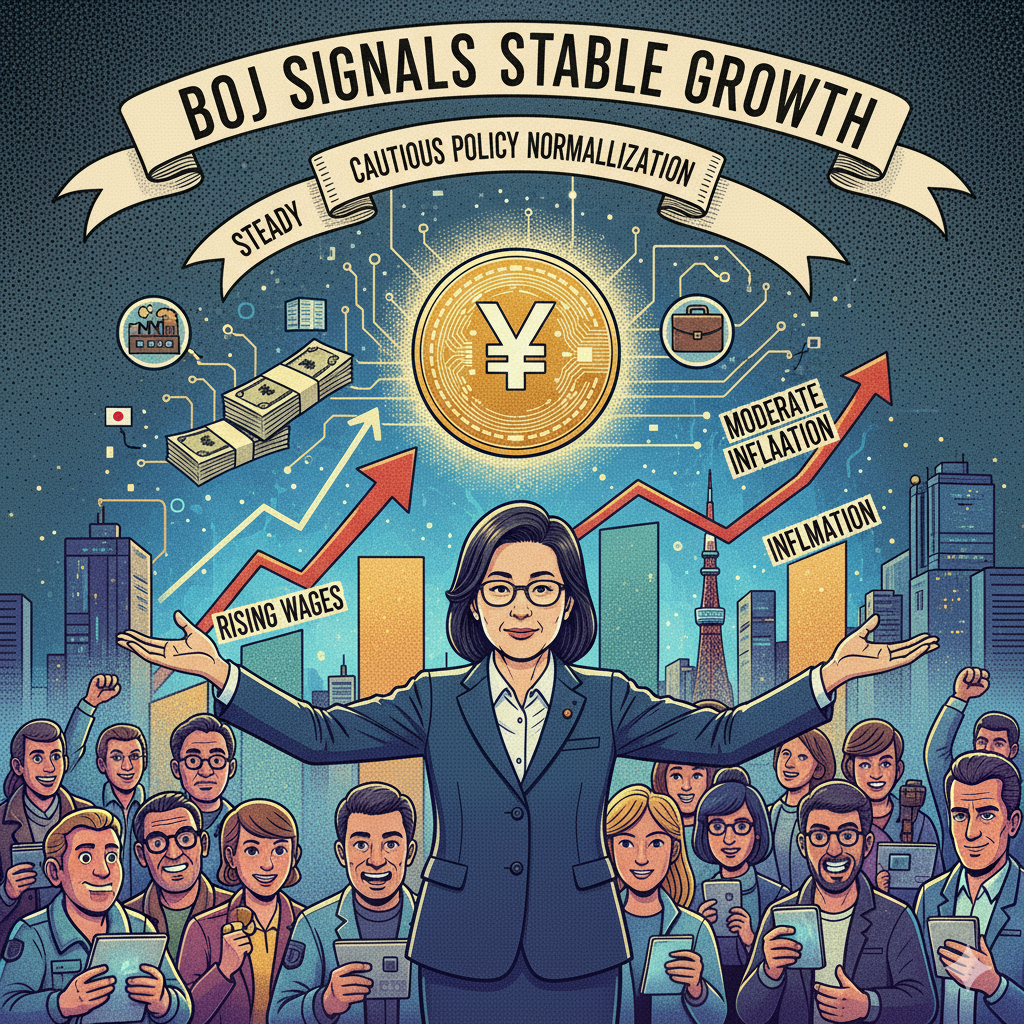
Japan’s Economic Outlook: BOJ’s Nakagawa Emphasizes Balance Between Growth, Inflation, and Policy Stability

In a recent address titled “Economic Activity, Prices, and Monetary Policy in Japan,” Bank of Japan (BOJ) Board Member Junko Nakagawa provided a detailed overview of Japan’s economic situation, focusing on growth trends, inflation pressures, and the future direction of monetary policy. Her speech comes at a time when Japan stands at a delicate economic crossroads — with rising wages, moderate inflation, and cautious optimism about recovery, yet uncertainty over global trade and domestic consumption persists.

A Moderately Growing Global Economy

Nakagawa began her remarks by noting that global economic growth remains moderate but uneven. While several economies have shown resilience, trade policy shifts and geopolitical tensions continue to create uncertainty. According to BOJ projections, global growth for 2025–2026 is expected to stay within the 2.5% to 3% range, reflecting a steady but cautious expansion.

The slowdown in manufacturing in major economies and tighter global financial conditions are among the key risks identified. The ongoing recalibration of supply chains — especially in Asia and between the United States and China — adds another layer of unpredictability. Nakagawa stressed that these international factors inevitably influence Japan’s export-driven economy, which depends heavily on external demand.

Domestic Corporate Sector: Resilience Amid Manufacturing Weakness

Turning to Japan’s domestic landscape, Nakagawa observed that corporate profits remain relatively robust, even as manufacturing activity has softened. Many Japanese firms continue to report healthy earnings, thanks to efficiency gains, pricing strategies, and a weaker yen that boosts export competitiveness.

However, the manufacturing sector is experiencing headwinds, particularly in electronics and automotive components, as global demand for goods stabilizes post-pandemic. In contrast, the services sector has shown improvement, supported by tourism recovery and domestic spending on leisure and hospitality.

Nakagawa also highlighted that business investment remains an encouraging bright spot. Companies are increasingly channeling funds into AI-driven automation, digital transformation, and labor-saving equipment to counter labor shortages and improve productivity. Yet, the construction industry faces persistent challenges due to high material costs and a shortage of skilled workers, limiting growth in infrastructure and housing projects.

Wages Are Rising, But Consumption Lags

One of the most notable trends Nakagawa addressed is the rise in nominal wages. Japan’s 2025 spring wage negotiations — known as Shuntō — resulted in an average increase of 5.3% for regular employees, marking the highest level in decades. This signals that companies are finally responding to the government’s long-standing calls for wage growth to sustain domestic demand.

However, Nakagawa cautioned that household consumption remains sluggish. Despite rising paychecks, the effects of high food and utility prices continue to weigh on real incomes, leaving many families cautious about spending. While consumer confidence has improved slightly, many households still prioritize saving over discretionary spending, limiting the overall boost to private consumption.

This pattern underscores a fundamental challenge: wage increases need to outpace inflation consistently to drive sustainable growth. Without this, Japan risks slipping back into the cycle of weak demand and low inflation that has haunted its economy for years.

Inflation Dynamics: A Balancing Act

Japan’s inflation trend remains a focal point of the BOJ’s monetary strategy. Nakagawa noted that consumer prices excluding fresh food (core CPI) are rising about 3% year-on-year, while core-core inflation — which excludes both fresh food and energy — stands at approximately 3.4%.

The current inflation is largely driven by the pass-through of higher wages and production costs, alongside robust domestic demand in select sectors. At the same time, import and energy prices have shown signs of easing, reducing some upward pressure on consumer prices.

Nakagawa emphasized that while these figures indicate stronger price momentum than Japan has seen in decades, the BOJ remains cautious. The central bank’s goal is sustainable inflation around 2%, supported by wage growth and consumer spending rather than temporary cost factors.

Economic Projections: A Slow but Stable Path

The BOJ’s forecasts reflect a gradual recovery path for Japan’s economy. Nakagawa outlined the central bank’s projections:

  • GDP growth is expected at 0.6% in fiscal year 2025, rising slightly to 0.7% in 2026 and 1.0% in 2027.
  • CPI (excluding fresh food) is projected to average 2.7% in FY2025, before easing to 1.8% in FY2026, and stabilizing around 2.0% in FY2027.

These figures suggest a soft landing scenario, where inflation moderates while economic activity continues to expand modestly. Nakagawa emphasized that the BOJ’s outlook depends on stable wage growth and improvements in productivity, both of which are necessary to sustain higher living standards without sparking excessive price increases.

Monetary Policy: Gradual Normalization

Addressing the central question of monetary policy, Nakagawa reaffirmed the BOJ’s commitment to gradual normalization. After years of ultra-loose policy, the central bank has started to make measured adjustments, such as reducing the pace of government bond purchases and maintaining the target overnight call rate around 0.5%.

This approach reflects the BOJ’s confidence that Japan’s economy is moving closer to a self-sustaining cycle of wage and price growth. However, Nakagawa stressed that policy decisions will continue to depend on incoming data, particularly around inflation expectations and labor market conditions.

She reiterated that the BOJ will act “carefully but flexibly” to support economic recovery without stifling progress. This means avoiding premature tightening that could derail fragile gains in demand and employment.

External Challenges and Policy Coordination

Nakagawa also highlighted several external challenges that could influence Japan’s policy direction. The global interest rate environment, especially in the United States and Europe, affects Japan’s financial markets and capital flows. A strong U.S. dollar and relatively high American yields have put downward pressure on the yen, complicating Japan’s inflation management.

Additionally, trade frictions and supply chain realignments continue to reshape Japan’s export landscape. The central bank is closely monitoring these shifts, as they can impact both growth and price stability. Nakagawa noted that close coordination with government fiscal policies remains essential to navigate these uncertainties effectively.

Market Reactions and Investor Sentiment

Financial markets have responded cautiously to Nakagawa’s remarks. The yen held near recent lows, while Japanese government bond yields edged slightly higher as investors interpreted her comments as signaling a steady but cautious policy normalization path.

Equity markets, particularly in the technology and financial sectors, showed moderate gains, reflecting optimism that Japan’s economy is finally emerging from decades of deflationary stagnation. However, analysts remain watchful for any signs of external shocks — such as weaker global growth or energy price volatility — that could alter the BOJ’s timeline.

The Broader Message: Confidence with Caution

Nakagawa’s speech conveyed a nuanced message: Japan’s economic recovery is real but fragile. The balance between maintaining inflation near 2% and supporting consumption-driven growth remains delicate. The BOJ’s priority is to nurture conditions for sustainable expansion while avoiding abrupt policy moves that might unsettle markets.

In essence, the central bank’s strategy can be summarized as confidence with caution — confident that Japan is finally shifting away from decades of deflation, yet cautious about overestimating the strength of its recovery.

Nakagawa underscored that while inflation is currently above target, the BOJ does not view this as a reason for rapid tightening. Instead, policymakers are focused on ensuring that wage and price increases are mutually reinforcing — a key requirement for long-term stability.

Looking Ahead: Data-Driven Decisions

As Japan enters 2026, the BOJ will continue to rely on data-driven decision-making. Policymakers are expected to monitor indicators such as wage settlements, household spending, and global demand to guide future rate adjustments.

Nakagawa’s tone suggests that the central bank is in no rush to raise rates aggressively. Instead, it prefers a measured normalization, ensuring that inflation remains consistent with sustainable growth rather than speculative surges.

Conclusion

Junko Nakagawa’s speech captures the complex reality of Japan’s current economic landscape — one marked by cautious optimism, gradual progress, and persistent challenges. Japan’s economy is no longer trapped in deflation, but neither has it achieved the robust, consumer-led growth policymakers envision.

The BOJ’s approach, as Nakagawa emphasized, is to nurture stability before acceleration. By balancing inflation control with growth support, Japan aims to secure a durable recovery that rests not on temporary boosts, but on real income gains and productive investment.

For now, the central bank’s message is clear: Japan’s recovery is underway, but the journey requires patience, discipline, and steady hands on the policy wheel.
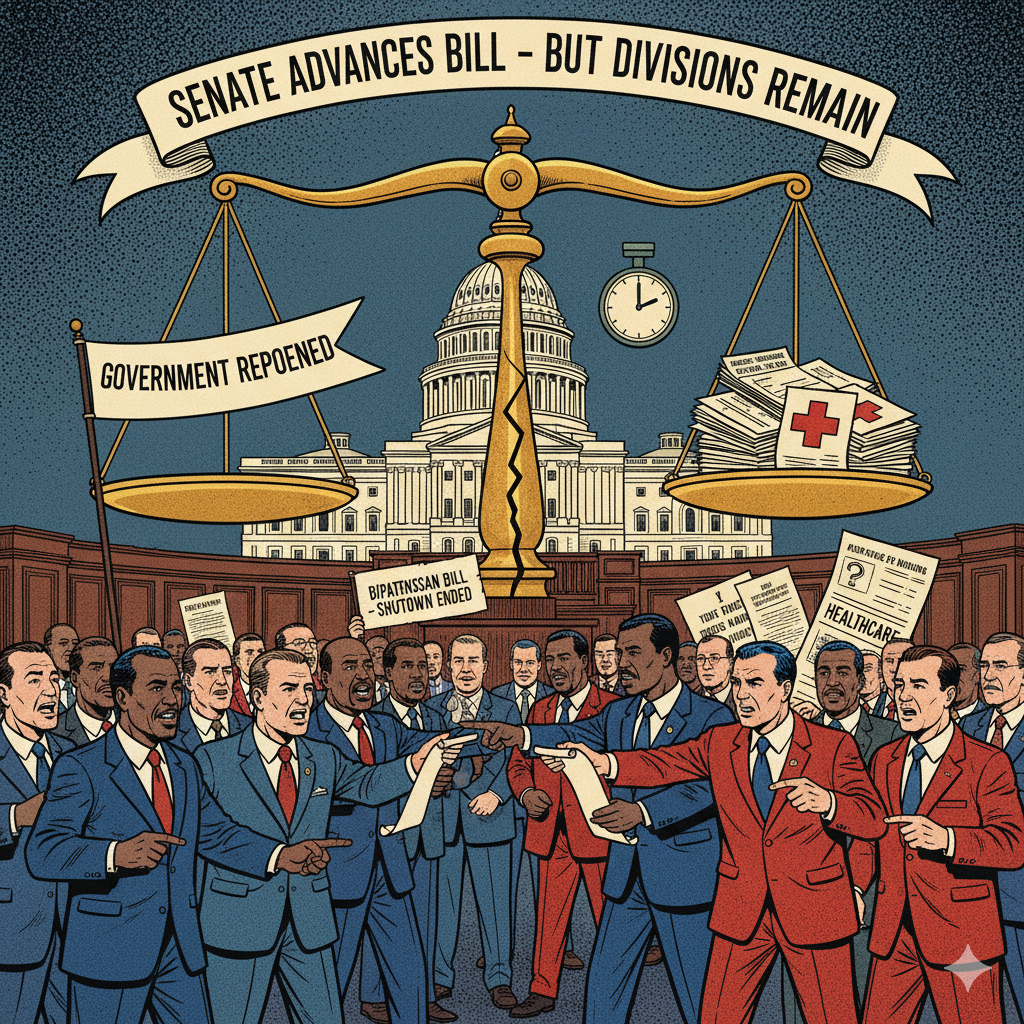

US Senate Moves to End 40-Day Government Shutdown With Bipartisan Funding Bill

After 40 days of political gridlock and public frustration, the United States Senate has finally taken a major step toward reopening the federal government. In a 60-40 vote, senators advanced a bipartisan funding measure designed to end the longest shutdown in recent memory. The decision marks a significant turning point in Washington’s budget standoff — though several hurdles still remain before federal operations can fully resume.

A Long-Awaited Breakthrough

The vote to move the funding bill forward was seen as a rare display of cooperation between Democrats and Republicans. The proposed measure includes a continuing resolution, which would temporarily fund most government agencies until January 30, 2026, while lawmakers negotiate a long-term spending deal.

The temporary extension is intended to give Congress breathing room to settle disputes over budget priorities, healthcare spending, and other contentious issues that have kept the government in limbo for over a month. In the meantime, it would allow vital agencies to reopen, paychecks to restart for millions of federal employees, and suspended public services to resume.

“This is a necessary first step,” one senator remarked after the vote. “The American people have waited long enough. Government should never be a bargaining chip.”

Impact on Federal Workers and Agencies

For the hundreds of thousands of federal employees who have gone without pay since the shutdown began, the Senate’s decision offers a glimmer of hope. The bill includes provisions guaranteeing full back pay to furloughed workers once the government reopens. It also commits to reversing many of the layoffs and service disruptions that have rippled through the economy.

The effects of the shutdown have been widespread. National parks have closed, passport services have slowed, and even essential public safety programs have struggled with staffing shortages. In several states, local governments stepped in to provide temporary funding for critical services like airport security and food assistance.

Economists estimate that the shutdown has already shaved billions off U.S. economic growth. The restoration of operations and pay could help mitigate some of those losses, though experts warn the financial damage may take months to repair.

The Sticking Point: Healthcare Funding

Despite the Senate’s progress, not everyone is celebrating. The bill does not include guarantees to continue Affordable Care Act (ACA) subsidies, a major point of contention between Democrats and Republicans.

Progressive lawmakers argue that passing a funding bill without securing ACA support amounts to giving up a key leverage point in future negotiations. Some Democrats believe the party should hold out for stronger healthcare protections before agreeing to any deal.

“We cannot ask working families to keep choosing between healthcare and rent,” said one Democratic senator. “Our job is not finished until access to affordable coverage is safe.”

However, moderates from both parties argue that reopening the government must come first. “We can debate policy once the lights are back on,” said another senator.

A Divided Democratic Caucus

The healthcare dispute has highlighted growing divisions within the Democratic caucus. While progressives push for more aggressive action on healthcare and social spending, moderates are prioritizing bipartisan cooperation to restore government functionality.

This split has made negotiations more delicate, especially as Democrats must coordinate their approach with the Republican-controlled House of Representatives. Without unity, even bipartisan measures risk stalling before reaching the president’s desk.

Some political analysts note that the divide mirrors broader ideological tensions within both parties — between pragmatists who favor compromise and ideologues who seek transformative policy shifts.

House Approval and Presidential Signature Still Needed

Even with Senate approval, the funding bill faces an uncertain future in the House of Representatives. While several Republican members have signaled openness to the deal, hardliners remain skeptical of any measure that increases spending without corresponding cuts.

President Donald Trump has also not yet publicly confirmed whether he will sign the bill into law. His administration has repeatedly tied budget approvals to policy priorities, such as immigration control and healthcare reform.

Still, the mounting public frustration and economic fallout from the shutdown may pressure both the House and the White House to act swiftly. With public services halted and worker paychecks frozen, polls show that Americans overwhelmingly want an immediate resolution.

Economic and Political Implications

The 40-day shutdown has taken a significant toll on the U.S. economy. Analysts estimate that the closure has reduced quarterly GDP growth by up to 0.3%, with further losses expected if delays continue. Consumer confidence has also declined, particularly in regions dependent on federal employment.

Businesses that rely on government contracts have been hit hard, with many reporting layoffs and delays in payments. Small business owners say uncertainty over government funding has slowed investment and hiring decisions.

On the political front, the standoff has deepened voter cynicism about Washington’s ability to govern effectively. Both major parties face mounting pressure to show leadership and deliver practical solutions instead of partisan blame.

A Step Forward — But Not the End

While the Senate’s bipartisan vote is being hailed as a step forward, most observers agree it is far from a full resolution. The funding measure is temporary, and the same divisions that caused the shutdown could resurface once the extension expires in January 2026.

Lawmakers will have just a few months to finalize full-year appropriations for major departments, including defense, education, transportation, and health services. Without compromise, the government could face yet another funding crisis early next year.

Still, after six weeks of economic paralysis, this development brings much-needed relief to millions of Americans who depend on federal stability. For them, even a temporary reopening represents progress.

A Call for Lasting Reform

Beyond the immediate crisis, many experts and lawmakers are calling for long-term reforms to prevent future shutdowns. Proposals include automatic continuing resolutions that would keep government funding stable during budget impasses and new limits on using shutdowns as a political strategy.

Scandal Shakes Major League Baseball: Emmanuel Clase and Luis Ortiz Face Charges in Betting Scheme

Major League Baseball (MLB) has found itself at the center of a shocking controversy as two of the Cleveland Guardians’ pitchers, Emmanuel Clase and Luis Ortiz, were charged by the U.S. Department of Justice in connection with an alleged betting and game-fixing scandal. The case, which involves accusations of manipulating game outcomes for financial gain, has sent shockwaves through the sports community and raised serious concerns about the integrity of professional baseball.

This incident isn’t just another case of off-field misconduct—it touches the very foundation of fair play that professional sports are built upon. As details continue to emerge, the baseball world is grappling with the potential fallout of one of its most damaging integrity scandals in years.


The Allegations

According to the Department of Justice, Emmanuel Clase and Luis Ortiz are accused of participating in a fraudulent betting scheme that involved rigging in-game events. Prosecutors allege that the two pitchers provided insider information or even influenced the outcome of specific pitches in MLB games to help certain bettors win large sums of money.

The scheme reportedly centered on prop bets—wagers that depend on individual events within a game, such as whether a pitcher throws a strike, a ball, or allows a hit during a particular inning. These types of bets, while small on the surface, are easy targets for manipulation because even a single intentional ball or mistimed pitch can alter the betting outcome.

Authorities claim that the players accepted bribes or kickbacks in exchange for their cooperation, enabling gamblers to exploit this inside information. The winnings from these bets allegedly reached hundreds of thousands of dollars, with at least $400,000 linked to the illegal operation.


The Charges and Legal Stakes

Both players now face a series of serious federal charges, including:

  • Wire fraud conspiracy
  • Honest-services wire fraud
  • Money-laundering conspiracy
  • Conspiracy to influence sporting contests by bribery

These are not minor offenses. Each carries the potential for significant prison time, heavy fines, and a permanent stain on their reputations. Legal experts suggest that if convicted, the two players could face decades in federal prison and would almost certainly be banned from Major League Baseball for life.

The Justice Department emphasized that the case reflects a “breach of trust” not only against their teams but against fans and the sport as a whole.


The Arrests and MLB’s Response

While Luis Ortiz has already been arrested, Emmanuel Clase is currently not in U.S. custody, leading to speculation about his legal status and whether he will voluntarily appear in court. Both players have been placed on paid administrative leave by Major League Baseball as investigations continue.

In an official statement, MLB confirmed it is “fully cooperating with federal authorities” and has launched its own internal review. The league made it clear that any form of match-fixing or manipulation is considered a zero-tolerance offense that threatens the credibility of the sport.

For the Cleveland Guardians, the news has been devastating. Clase and Ortiz were both considered promising assets—Clase especially, having established himself as one of MLB’s elite relief pitchers. Now, their futures in professional baseball hang by a thread.


The Ripple Effect Across MLB

The scandal has reignited long-standing concerns about sports betting and its impact on professional leagues. Since the U.S. Supreme Court legalized sports betting in 2018, wagering on professional sports has become mainstream. While MLB and other leagues have embraced betting partnerships as a new source of revenue, this incident underscores the ethical dangers that come with such close ties between players and the gambling industry.

Many analysts argue that as betting expands, the temptation for corruption grows as well—especially among younger players or those without long-term contracts. Even small manipulations, such as altering pitch timing or sequence, can generate huge payoffs for those betting on micro-events.

The Clase-Ortiz case could prompt MLB and other leagues to revisit their policies on player education, betting disclosures, and monitoring systems. The league might increase surveillance on betting activity linked to games and tighten partnerships with sportsbooks to detect unusual betting patterns earlier.


A Blow to Baseball’s Integrity

Baseball has a long and complicated history with gambling scandals. The most infamous case remains the 1919 “Black Sox Scandal”, where eight Chicago White Sox players were accused of throwing the World Series for money. That incident led to the permanent ban of several players and the appointment of MLB’s first commissioner, Kenesaw Mountain Landis, who vowed to restore trust in the sport.

Over a century later, the Clase-Ortiz case threatens to reopen old wounds. While the circumstances are different, the core issue is the same—players allegedly compromising the integrity of the game for personal or financial benefit.

Fans and commentators alike are expressing outrage and disappointment. Baseball, often seen as America’s most traditional sport, prides itself on discipline, fairness, and sportsmanship. The idea that current players might have engaged in manipulating games strikes at the very heart of that tradition.


The Human Cost

For both players, the consequences go far beyond the legal system. Their reputations, built over years of hard work, now hang in the balance. Emmanuel Clase, known for his dominant fastball and 2022 All-Star appearance, was regarded as one of the sport’s most reliable closers. Luis Ortiz, though less established, was working to cement his place in the majors.

Now, both face the prospect of being remembered not for their performance on the mound, but for their alleged involvement in a scheme that betrayed the sport they loved.

The scandal also affects their families, teammates, and fans. Many supporters have taken to social media expressing disbelief and sadness, with some calling for lifetime bans if the allegations are proven true. Others have urged patience, emphasizing the importance of due process before judgment.


Legal Experts Weigh In

Legal analysts suggest that the government’s case could hinge on electronic communication evidence, including text messages, financial transactions, or encrypted chat logs that demonstrate intent or coordination. If investigators can prove that the players knowingly engaged in the scheme, conviction could be almost certain.

However, defense attorneys are likely to argue that the players were misled or coerced, or that they had no control over how their in-game actions were interpreted by bettors. The complexity of proving intent in sports manipulation cases makes this trial particularly intricate.

Still, given the federal attention and media scrutiny, prosecutors are expected to pursue the case aggressively to set an example and deter future incidents.


A Warning to the Sports World

This case serves as a stark warning not just to baseball but to all professional athletes. As sports betting continues to expand globally, maintaining integrity has become more challenging than ever. Players are constantly under public and private pressure, and the line between insider knowledge and illegal conduct is increasingly thin.

MLB and other leagues may soon introduce stricter education programs about gambling ethics, as well as stronger systems for detecting irregular betting activities linked to athletes or team staff. Transparency and accountability will be key to preventing future scandals.


The Road Ahead

As the investigation unfolds, both Emmanuel Clase and Luis Ortiz face uncertain futures. Their cases will likely proceed through months of hearings, with the potential for plea deals or full trials depending on the strength of the evidence.

For MLB, this is a pivotal moment. How the league responds—through discipline, reforms, and communication—will determine whether fans can trust that the game remains fair and unsullied by outside influence.

In the end, this scandal isn’t just about two players accused of wrongdoing. It’s a wake-up call for professional sports everywhere—a reminder that the integrity of the game must never be for sale.

Japan’s Bold Step into Digital Finance: Inside the FSA-Backed PIP Stablecoin Experiment

Japan has taken a significant leap forward in its journey toward digital financial innovation. The country’s Financial Services Agency (FSA) recently unveiled a new initiative known as the Payment Innovation Project (PIP) — a bold experiment that brings together Japan’s biggest banks, regulators, and technology providers to test a new yen-backed stablecoin ecosystem. This move could reshape how digital payments work in one of the world’s most advanced economies and position Japan as a global leader in financial technology.


A Unified Vision for Stable Digital Payments

At the heart of the PIP initiative lies one ambitious goal — to create a regulated, interoperable digital payment system powered by blockchain technology but backed by the Japanese yen. The FSA’s involvement ensures that this initiative is not just another crypto experiment; it’s a fully compliant, government-supported effort to bridge the gap between traditional finance and the rapidly evolving world of digital assets.

Japan has been cautious yet progressive in regulating cryptocurrencies and digital assets. The country learned from past challenges, such as the Mt. Gox scandal, and has since developed one of the world’s most transparent and secure crypto regulatory frameworks. With the PIP stablecoin experiment, Japan is signaling that it’s ready to move beyond regulation into innovation — creating a new digital ecosystem that can coexist with its highly efficient but aging banking infrastructure.


The Power Players Behind the Project

The FSA’s PIP initiative is not a solo act. It brings together Japan’s “Big Three” banksMitsubishi UFJ Financial Group (MUFG), Sumitomo Mitsui Financial Group (SMFG), and Mizuho Financial Group — along with Mitsubishi Corporation and blockchain technology provider Progmat Inc. This alliance represents a powerful combination of traditional banking experience, corporate strength, and fintech expertise.

The collaboration aims to launch a yen-pegged stablecoin that will serve as a bridge between conventional banking systems and blockchain-based financial infrastructure. The coin will be issued under Japan’s new regulatory category of “electronic payment instruments”, which ensures that it operates under the same level of scrutiny as other licensed financial products.


How the Stablecoin Experiment Works

The pilot project is designed to test stablecoin usage in both corporate and consumer payments. This means that, in theory, businesses and individuals could use this digital yen for day-to-day transactions such as bill payments, e-commerce, salary transfers, and cross-border remittances.

One of the main focuses will be interoperability — ensuring that users from different banks can seamlessly transact with each other using the same stablecoin network. Japan’s fragmented banking system has often struggled with slow settlement times and compatibility issues. By integrating a unified blockchain-based settlement layer, the project could dramatically increase speed, transparency, and cost efficiency in payments.

Moreover, the FSA will closely monitor the project to ensure that it complies with Japan’s stringent anti-money laundering (AML) and know-your-customer (KYC) laws. Each transaction will be recorded transparently on a permissioned blockchain, offering both accountability and traceability while maintaining user privacy.


A Regulator-Led Fintech Revolution

Unlike other countries where regulators often clash with crypto innovators, Japan’s approach is unique — the regulator itself is leading the innovation. By operating the PIP project under its FinTech Hub “proof-of-concept” program, the FSA is providing a controlled yet flexible environment for experimentation.

This framework allows participating institutions to test new technologies in real-world scenarios without facing the full burden of regulatory uncertainty. The FSA can observe the process in real time, address potential risks, and adjust guidelines as needed. This dynamic oversight model could become a blueprint for other nations seeking to balance innovation with financial stability.

The pilot is set to begin in November 2025, giving participants ample time to prepare their systems, integrate blockchain infrastructure, and establish strong compliance mechanisms.


Why This Move Matters for Japan

Japan has long been a leader in digital transformation but has faced criticism for being slow to modernize its banking sector. Cash remains deeply ingrained in Japanese society, and many small businesses still rely heavily on physical transactions. However, the global shift toward digital payments and the rise of decentralized finance (DeFi) are reshaping consumer expectations.

The PIP stablecoin initiative aims to solve these challenges by offering a regulated, bank-backed digital currency that combines the stability of the yen with the flexibility of blockchain. It could also help Japan reduce reliance on foreign payment systems and strengthen its position in the growing global competition for digital financial dominance.

For the government, this project represents more than just innovation — it’s a strategic step toward economic resilience. As central banks around the world explore central bank digital currencies (CBDCs), Japan’s private-sector-led but regulator-backed approach could offer a model for how stablecoins and CBDCs can coexist.


Lessons from Global Trends

Globally, stablecoins have often sparked controversy due to concerns over reserve transparency, regulatory oversight, and market volatility. The collapses of unregulated tokens like TerraUSD have made governments more cautious.

Japan’s model, however, directly addresses these concerns. The yen-backed stablecoin will be fully collateralized and legally recognized, ensuring that every token in circulation is backed by real yen reserves held by trusted financial institutions.

This design not only enhances public trust but also sets a new benchmark for regulatory clarity and accountability in the stablecoin space. It’s a sharp contrast to the U.S., where debates continue over how to classify and regulate such digital assets.


Potential Benefits for Businesses and Consumers

For Japanese consumers, this experiment could mean faster and cheaper transactions, especially for digital commerce and peer-to-peer payments. Imagine transferring money across banks or paying for goods online instantly — without delays or hefty transaction fees.

For businesses, the implications are even greater. The PIP stablecoin could revolutionize how corporations handle payroll, supplier payments, and international trade settlements. By using blockchain infrastructure, companies can reduce operational costs, automate record-keeping, and enhance security.

Additionally, this project opens the door for smart contract integration — enabling automated payments, lending, and settlements that execute based on predefined conditions. Such innovation could accelerate the growth of Japan’s fintech sector and attract global investment.


Challenges Ahead

Despite its potential, the PIP stablecoin experiment faces challenges. Regulatory alignment between banks, maintaining cybersecurity standards, and ensuring system scalability will be crucial. Moreover, convincing the public to adopt digital yen over traditional cash could take time, especially in a society where trust and stability are deeply valued.

There’s also the question of international interoperability — how will Japan’s stablecoin interact with other digital currencies or global payment systems? These questions remain open but will likely be explored in later stages of the pilot.


A Glimpse Into Japan’s Financial Future

The FSA’s decision to back a stablecoin experiment involving Japan’s largest banks marks a defining moment for the country’s financial evolution. It shows that Japan is not merely observing the global shift toward digital finance — it’s actively shaping it.

By combining regulatory foresight, institutional cooperation, and technological innovation, the Payment Innovation Project represents a forward-looking model for other nations. If successful, it could become the foundation for a new era of trusted, digital, and efficient payments — not just in Japan, but worldwide.

As the world watches, Japan’s PIP experiment may well become the template for how traditional finance and digital assets can coexist harmoniously, ushering in a future where innovation and regulation walk hand in hand.

XRP ETF Countdown in Full Swing After 21Shares and Franklin Submit SEC Amendments

The long-awaited race to bring a spot XRP Exchange-Traded Fund (ETF) to U.S. markets has entered an exciting new phase. Two major players—21Shares and Franklin Templeton—have formally updated their filings with the U.S. Securities and Exchange Commission (SEC), setting off what many in the cryptocurrency community are calling a potential 20-day countdown to approval.

If successful, this development could mark a watershed moment not only for XRP, the digital asset associated with Ripple Labs, but also for the broader crypto ETF landscape that has so far been dominated by Bitcoin and Ethereum. The filings, which remove key delaying clauses, indicate growing confidence among institutional players that a U.S.-listed spot XRP ETF could soon become reality.


1. The XRP ETF Journey Reaches a Crucial Stage

For years, the idea of an XRP-based ETF has been discussed but never realized, largely due to regulatory uncertainty surrounding Ripple’s ongoing legal battles with the SEC. Now, with clearer legal outcomes and a shifting regulatory tone, that vision may finally be within reach.

The recent move by 21Shares and Franklin Templeton, two well-established investment management firms, signals strong institutional interest. Their decision to amend their S-1 filings with the SEC suggests that they are ready to advance to the next stage of the approval process.

These amendments are particularly noteworthy because they remove or modify the “delaying amendment” clause—a standard provision that allows issuers to postpone a registration statement indefinitely. By removing it, the firms have effectively started a 20-day automatic countdown under Section 8(a) of the U.S. Securities Act.

Unless the SEC intervenes within that window, the registration statements could automatically become effective, potentially paving the way for the first-ever U.S. spot XRP ETF.


2. What Makes This Different from Past Filings

This latest development stands out for several reasons. Unlike previous filings for crypto-based ETFs, which often languished in regulatory limbo, these amendments appear to be timed strategically.

The SEC’s recent approval of multiple spot Bitcoin ETFs has set a new precedent. After years of resistance, the regulator’s decision in early 2024 to greenlight Bitcoin-based ETFs opened the door to other digital assets receiving similar treatment.

For XRP, the path is somewhat unique. Unlike Bitcoin, XRP was once caught in the crossfire of a high-profile SEC lawsuit that questioned whether it should be classified as a security. That case has since seen major progress in Ripple’s favor, with courts clarifying that secondary XRP sales on exchanges do not constitute securities transactions.

This ruling has given institutional investors new confidence that XRP can be included in regulated financial products such as ETFs—an outcome that seemed unlikely just a year ago.


3. How the 20-Day Countdown Works

The “20-day countdown” has become the most talked-about phrase in the crypto world this week. Under Section 8(a) of the Securities Act of 1933, a registration statement becomes automatically effective 20 days after filing unless the SEC acts to delay or reject it.

By submitting their amended filings without a delaying clause, 21Shares and Franklin Templeton have effectively started that timer.

In simple terms, if the SEC does not intervene during that period, the ETFs could automatically gain approval and move toward listing on major exchanges. Of course, this doesn’t mean a launch is guaranteed—regulators still have the authority to pause the process if they raise new concerns or request revisions.

Still, the move reflects growing confidence among issuers that the SEC may be ready to consider XRP-based ETFs, especially given the regulatory momentum building across the crypto asset space.


4. Why an XRP ETF Matters

An approved spot XRP ETF would represent more than just another product launch—it would symbolize a major leap in mainstream crypto adoption.

Until now, only Bitcoin and Ethereum have been seen as “ETF-ready” digital assets in the U.S. market. The addition of XRP to that short list would not only validate its standing as a legitimate, non-security digital asset but also give investors a regulated way to gain exposure without dealing directly with crypto exchanges.

For traditional investors, ETFs offer several advantages:

  • Ease of access through traditional brokerage accounts.
  • Regulatory oversight, which increases confidence.
  • Liquidity and price discovery via major exchanges.

For XRP, this could translate into stronger institutional demand and greater price stability over time. The crypto market tends to react positively when new investment vehicles open the door for pension funds, asset managers, and retail investors to participate.

Moreover, the XRP network itself has evolved into a critical part of the global payments infrastructure, with Ripple focusing on cross-border transactions, banking partnerships, and tokenized asset settlement. A spot ETF would amplify that narrative and potentially attract new institutional partnerships.


5. Institutional Competition Heats Up

The XRP ETF filing is also part of a larger race among asset managers to capture the next wave of institutional crypto investment. After the success of spot Bitcoin ETFs earlier this year—which saw billions of dollars in inflows during their first weeks—many firms are eager to expand their offerings.

Besides 21Shares and Franklin Templeton, several other major names are rumored to be exploring XRP or Solana-based ETFs. Each firm is positioning itself to be first to market, knowing that early movers often attract the lion’s share of investor interest.

This surge of competition also underscores a broader trend: traditional finance (TradFi) and digital assets are converging faster than ever before. The once-clear boundary between crypto natives and Wall Street institutions is blurring, as major firms compete to provide regulated access to blockchain-based assets.


6. The SEC’s Role: Approval or Intervention?

While optimism is high, the path forward is far from certain. The SEC still has full authority to delay, deny, or request amendments to the filings before the automatic approval window closes.

Historically, the Commission has been cautious about approving ETFs tied to digital assets beyond Bitcoin. Its main concerns typically revolve around market manipulation, liquidity, and custodial safety.

However, the landscape is evolving. The SEC’s acceptance of spot Bitcoin ETFs earlier this year shows that regulators may now be more open to digital-asset products—provided that issuers can demonstrate robust surveillance-sharing agreements and transparent custody arrangements.

For XRP, custodianship will be a key point of scrutiny. How the ETFs plan to store and secure XRP holdings—whether through regulated entities like Coinbase Custody or specialized crypto custodians—could determine the SEC’s comfort level with approval.


7. Broader Implications for Crypto Markets

The possibility of an XRP ETF approval is not just about one token—it represents the next chapter in the financialization of crypto.

If successful, it could:

  • Trigger a price rally in XRP as institutional investors gain easier access.
  • Strengthen XRP’s legitimacy as a global payment asset.
  • Encourage similar filings for other altcoins such as Solana, Cardano, or Avalanche.
  • Broaden the crypto ETF ecosystem beyond just Bitcoin and Ethereum.

Analysts predict that a spot XRP ETF could see significant initial inflows, particularly from investors seeking diversification within the crypto space. Even conservative exposure—such as 1–2% of institutional portfolios—could inject billions in liquidity.


8. The Countdown Begins

With the amended filings now submitted, the 20-day clock is ticking. Market participants are closely watching the SEC’s response, social media buzz is growing, and speculation about the ETF’s potential launch date is already circulating.

If approved, the XRP ETF would be a major win for both Ripple and the broader crypto community—signaling a clear shift toward regulatory normalization in the United States.

But even if the SEC intervenes to delay or request further amendments, the fact that such filings are advancing this far shows undeniable progress. The crypto ETF race has officially expanded beyond Bitcoin, and XRP is leading the charge into the next era of digital-asset investing.


Conclusion

The submission of amended filings by 21Shares and Franklin Templeton marks a turning point in the long pursuit of a U.S. spot XRP ETF. The countdown has begun, and the next few weeks could reshape how institutional investors engage with one of crypto’s most established assets.

While the SEC’s final decision remains uncertain, one thing is clear: the push for crypto integration into traditional finance is accelerating—and XRP is poised to play a defining role in that evolution.

A $15 Million Dinosaur Skeleton: The Intersection of Fossils and Luxury Collectibles in the Modern Market

In a world where high-end luxury collectibles continue to capture the imagination of wealthy investors, one of the most unusual—and fascinating—items hitting the auction block is a remarkably well-preserved dinosaur skeleton. This isn’t just any fossil. It’s the skeleton of a Gorgosaurus, a fearsome predator from the Late Cretaceous period, estimated to fetch as much as $15 million. This auction, set to take place at Sotheby’s New York, has caught the attention of not only paleontologists and dinosaur enthusiasts but also investors looking to diversify into a new and niche market: prehistoric artifacts.

The Gorgosaurus skeleton, which is over 75% complete, could set a new benchmark for dinosaur fossils in the world of luxury collectibles. But beyond the scientific and historical value, there’s a compelling story for investors about the increasing crossover between fossils, luxury markets, and alternative investments. In this article, we’ll explore what the sale means for the luxury collectibles market, its potential for setting new trends in investment, and what stock market investors can learn from this auction.

The Gorgosaurus: A Unique Specimen with Scientific and Financial Appeal

The star of this auction is the Gorgosaurus, a relative of the famous Tyrannosaurus rex. Living approximately 76 million years ago, the Gorgosaurus was a top predator of its time, preying on smaller dinosaurs and mammals. Its well-preserved skeleton—over 75% intact—makes it a rare and valuable specimen for scientists and fossil collectors alike. In fact, only a handful of Gorgosaurus skeletons have been discovered, making this find especially significant.

From a scientific standpoint, the fossil’s pristine condition allows paleontologists to study aspects of the Gorgosaurus’s biology and behavior that would otherwise be impossible. Researchers can now glean more information about its size, movement, and even how it interacted with its environment millions of years ago. The high degree of preservation also increases the specimen’s educational and research value, especially for museums looking to add an iconic piece to their collection.

However, beyond its academic worth, the Gorgosaurus skeleton has become a coveted item for collectors. The rare nature of such fossils, combined with their ability to capture the public’s imagination, has created a growing market for prehistoric relics—especially among the ultra-wealthy.

Fossils as Luxury Collectibles: A Growing Niche Market

Over the past decade, we’ve seen a rising trend where high-net-worth individuals (HNWIs) and investors are flocking to alternative asset classes like art, vintage cars, wines, and rare collectibles as a way to diversify their portfolios. Fossils, once primarily a subject of academic study and museum curation, have entered this space as an increasingly sought-after investment.

What makes dinosaur fossils especially appealing as a luxury collectible? First and foremost, they represent an extraordinary link to a time long past—a tangible connection to Earth’s prehistoric era. For those who can afford them, owning a piece of natural history is not just about having a unique item; it’s about acquiring a status symbol with inherent rarity and fascination. Fossils like the Gorgosaurus not only provide an aesthetic or historical value but also act as tangible investments that can appreciate over time.

Unlike many traditional luxury goods, such as luxury cars or watches, fossils are appreciating assets that, in many cases, have proven to deliver strong returns. For instance, in 2020, a Tyrannosaurus rex skeleton, named “Sue,” sold for over $8.36 million, setting a new record at the time. The market for dinosaur fossils is growing, with prices rising as more collectors look to diversify into these rare and exotic items.

The appeal of prehistoric fossils goes beyond their novelty. There is an element of exclusivity and even mystery that attracts both investors and collectors. As high-net-worth individuals look for unique ways to stand out, the market for dinosaur fossils—and specifically fully intact specimens—could become an even more attractive avenue for investment. Investors who can afford these rare items see them as not just an asset to hold but as an heirloom to pass down, making them an investment that transcends generations.

The Investment Case for Dinosaur Fossils

For investors, the key question is whether dinosaur fossils represent a viable asset class for diversification. In the case of the Gorgosaurus skeleton, the expected price tag of $15 million raises an intriguing point: can fossils deliver returns comparable to more traditional asset classes such as stocks, bonds, or real estate? The short answer is that fossil investing is highly speculative, but with the right piece, it offers substantial upside potential.

  1. Scarcity Drives Value: The rarity of fully preserved dinosaur fossils is the primary driver of their value. Fossils like the Gorgosaurus represent a once-in-a-lifetime find. Only a handful of dinosaur skeletons, especially those over 75% complete, are found each year, making them highly collectible. The unique nature of these fossils ensures that they will continue to be rare and valuable in the market.
  2. Appreciation Over Time: While dinosaur fossils are not typically traded on public exchanges, the prices of major fossil auctions have demonstrated consistent appreciation. As the market grows, more investors and institutions are showing interest in fossil investments. The rise in prices of iconic pieces, like the T. rex skeleton, reflects a growing recognition of fossils as long-term assets that can appreciate significantly over time.
  3. Alternative Asset Class: Fossils provide an alternative investment opportunity, especially in times of stock market volatility. They are not correlated with traditional financial markets, which means they can serve as a hedge against economic downturns or market corrections. For high-net-worth individuals looking to diversify away from more conventional assets, fossils offer an intriguing alternative that is tangible, physical, and distinctive.
  4. Cultural and Historical Appeal: Unlike other forms of investment, such as stocks or real estate, dinosaur fossils hold cultural and historical value. Investors who purchase fossils like the Gorgosaurus aren’t just buying an asset; they’re acquiring a unique piece of natural history that carries with it a sense of wonder and fascination. This dual appeal—both financial and emotional—adds to the value proposition of owning such rare pieces.

Risks and Ethical Considerations

However, as with any investment, there are risks to consider when purchasing dinosaur fossils. First, the market for fossils is still niche and speculative. While the market has seen consistent growth in recent years, it is not as liquid or established as other traditional assets. Additionally, the legal and ethical issues surrounding the sale of fossils are becoming increasingly complex. Fossils are often excavated on public lands, and the question of ownership and rights can raise concerns about the commercialization of scientific heritage.

For investors considering purchasing fossils as a collectible or investment, it’s crucial to understand these ethical dimensions and ensure that their acquisitions are legitimate. Moreover, because the market for fossils is still developing, determining the long-term value of a specific specimen can be challenging, and prices can fluctuate dramatically depending on the rarity and provenance of the item.

Conclusion: A New Era for Luxury Collectibles and Investment

The Gorgosaurus skeleton auction is a fascinating intersection of science, history, and luxury collectibles. It highlights a growing trend in alternative investments where rare, one-of-a-kind items hold significant appeal not just for their intrinsic value but for their uniqueness as luxury assets. For stock market investors, the rise of fossils as a valuable asset class opens up new opportunities for diversification and growth in an increasingly complex financial landscape.

While the market for dinosaur fossils may not be for everyone, the emerging trend suggests that alternative collectibles can play an important role in the investment world, offering investors a chance to tap into a market where rarity, history, and exclusivity create a potent combination. For those looking to get involved, understanding the unique dynamics of this space—and the speculative risks involved—is crucial. The Gorgosaurus skeleton is more than just a piece of natural history; it represents the potential for fossil investments to evolve into a recognized luxury asset class in the years ahead.


This article blends the uniqueness of the Gorgosaurus fossil auction with a focus on its investment potential. Would you like a deeper dive into how investors can access this niche market, or any other insights?

You said:

Brief in 158 characters

ChatGPT said:

A rare Gorgosaurus skeleton could fetch up to $15M at auction, highlighting growing interest in fossils as luxury collectibles and alternative investments.

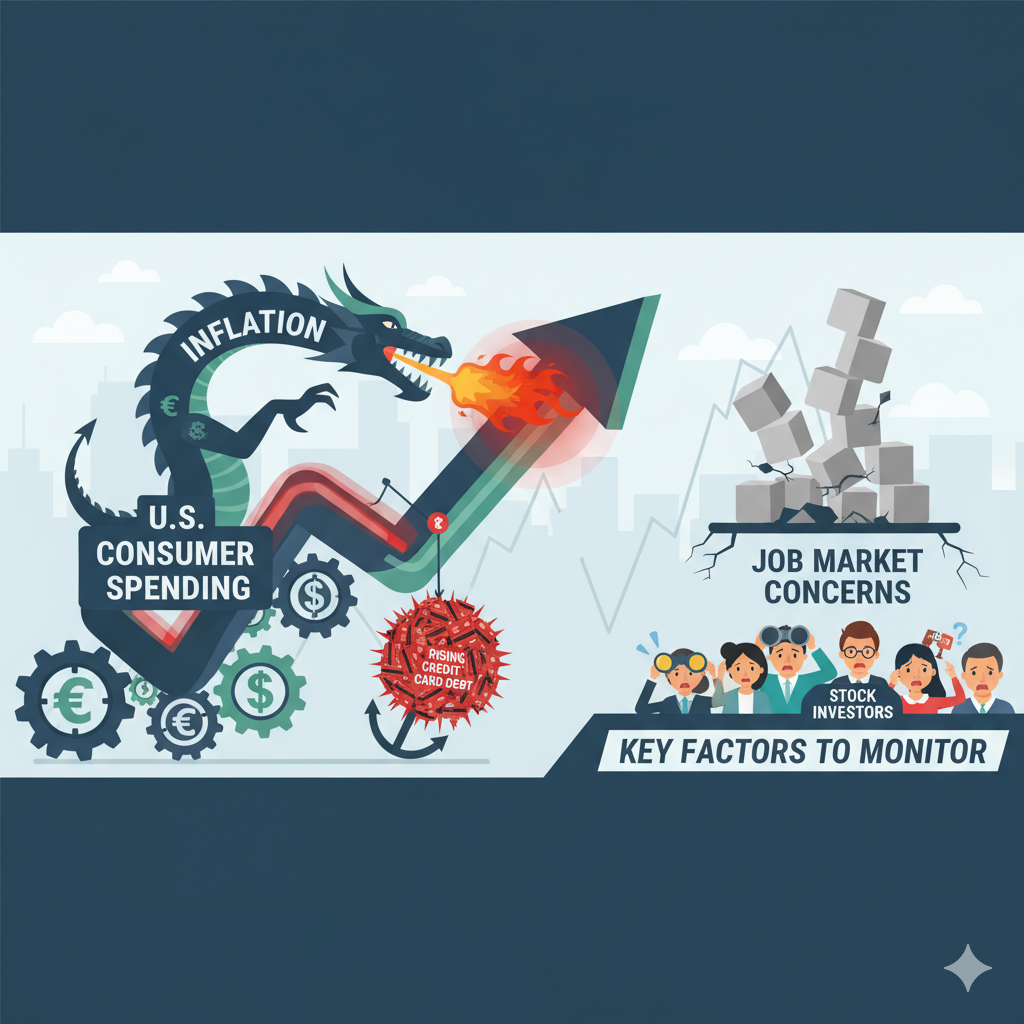
“U.S. Consumer Health: Resilience Amid Rising Inflation and Debt—What It Means for Investors”

A Check on the Health of U.S. Consumers: What It Means for the Stock Market

As we enter the final quarter of the year, one of the key areas investors need to keep a close eye on is the health of U.S. consumers. Consumer spending has long been the backbone of the U.S. economy, and it serves as an essential indicator for gauging economic strength. But with inflationary pressures, rising credit card debt, and fluctuating job market conditions, how are consumers holding up? And more importantly, what does this mean for the stock market in the coming months?

Resilient Consumer Spending Amid Economic Pressure

Despite the roller-coaster ride that the economy has been on over the last couple of years, one thing has remained relatively stable: consumer spending. The U.S. consumer, accounting for approximately 70% of the nation’s GDP, continues to show resilience. According to recent data, consumer spending has remained steady, particularly in sectors like retail and housing, where recovery has been more pronounced.

Retail sales, in particular, are a bright spot. While growth has slowed from pandemic-era highs, consumer confidence is picking up, particularly in luxury goods and high-end retail. The shift towards online shopping has continued to grow, with e-commerce giants like Amazon and Walmart benefiting from the ongoing trend. The housing market has also shown signs of life, particularly in areas where home values have not been as affected by rising interest rates.

For stock market investors, this resilience in consumer spending provides some comfort. Companies in the consumer discretionary sector—such as Amazon, Nike, and Home Depot—are often seen as a bellwether for overall economic health. As consumer spending holds steady, these companies are likely to continue seeing steady earnings growth, which bodes well for their stock prices.

However, it’s important to note that while consumer spending remains strong, it is not impervious to inflation. Rising costs of goods and services—especially in sectors like food, energy, and healthcare—continue to weigh heavily on the average consumer’s wallet. As inflation cools off in some areas, it still represents a significant headwind for households, particularly those in lower-income brackets. For investors, this means that while overall consumer spending may be stable, the composition of that spending is shifting.

Inflation: The Elephant in the Room

Inflation is one of the most significant factors influencing consumer behavior right now. Even as consumer spending shows resilience, the rising cost of living is making things difficult for many households. The Consumer Price Index (CPI) has slowed from its peak levels, but inflation is still above the Federal Reserve’s target of 2%. The cost of essentials, particularly food and energy, has remained high, creating a situation where consumers feel the pinch.

One area where inflation has had a noticeable impact is in credit card spending. Consumers are increasingly relying on credit to maintain their lifestyles, particularly in high-cost regions like California and New York. The Federal Reserve’s interest rate hikes, aimed at curbing inflation, have led to higher borrowing costs, and credit card interest rates are hitting multi-year highs.

For stock investors, this is a potential red flag. The rise in consumer debt levels, particularly revolving credit, could lead to slower consumption in the future if consumers find themselves buried under debt. Companies that rely heavily on consumer debt—like credit card providers or certain retail businesses—may see slower growth as a result.

The Labor Market: A Double-Edged Sword

The labor market has been another bright spot in the U.S. economy. Job growth has continued at a solid pace, and wages have been rising, especially for lower-income workers. These factors have supported consumer confidence, even amid higher costs and rising debt. Many consumers feel they can weather inflationary pressures as long as they remain employed and their wages continue to rise.

However, there are cracks in the labor market that investors should keep an eye on. While unemployment remains low, there is growing concern about the long-term impact of higher interest rates on job creation. Sectors like housing, construction, and real estate have already begun to feel the effects of the Fed’s rate hikes, and other industries could follow suit if the central bank continues to tighten monetary policy.

A slowdown in job growth could trigger a pullback in consumer spending. If consumers feel less secure in their jobs, they are less likely to make large purchases or take on new credit. This, in turn, could lead to a dip in stock prices, especially for companies that depend on strong consumer sentiment to drive revenue.

Credit Card Debt: A Growing Concern

While consumer spending has held up well, one area of concern for many economists is the rising level of credit card debt. According to the Federal Reserve, credit card balances in the U.S. have risen sharply, nearing pre-pandemic levels. At the same time, credit card interest rates have climbed, leaving many consumers in a precarious financial situation.

The rise in credit card debt is significant because it suggests that many consumers are relying on borrowing to keep up with the cost of living. This is particularly true for middle-income households, which have seen wage growth outpaced by inflation. With more disposable income being allocated to paying off interest on credit cards, there is less money available for discretionary spending, which could hurt companies in the consumer goods and services sectors.

From a stock market perspective, this could be a double-edged sword. On one hand, the credit card companies themselves—Visa, Mastercard, and American Express—could benefit from higher interest rates and increased consumer borrowing. However, if the trend of rising debt continues unchecked, there could be a slowdown in overall consumer spending, which would negatively impact consumer-facing stocks.

Savings Rates: The Decline of Financial Cushion

Another key indicator to watch is the rate at which Americans are saving. Household savings rates, which spiked during the pandemic, have since declined significantly. Many consumers are now spending a larger portion of their disposable income rather than saving for the future. While this may seem like a positive sign for the economy in the short term, it could have longer-term consequences.

As savings rates decline, consumers may find themselves more vulnerable to economic shocks—whether it be a downturn in the job market, unexpected medical expenses, or a financial crisis. This could lead to a reduction in consumer confidence, which would have a ripple effect on the stock market.

Investors should keep an eye on the personal savings rate as it can offer valuable insight into how consumers are positioned financially. A further decline could signal that many consumers are living paycheck to paycheck, which could limit their ability to maintain current levels of spending in the future.

The Outlook for Stock Market Investors

So, what does all this mean for the stock market in the near future? The overall outlook for consumer spending is somewhat mixed. While the consumer has remained resilient, inflationary pressures, rising credit card debt, and the potential for a slowdown in the labor market all present risks to continued spending.

That being said, there are still opportunities for investors. Sectors like luxury goods, e-commerce, and travel are likely to continue benefiting from strong consumer demand. At the same time, companies in the financial sector, particularly credit card providers, could see a boost from rising borrowing costs, though they should remain cautious of any consumer credit crisis.

Ultimately, stock market investors should monitor consumer health indicators closely—consumer sentiment, debt levels, savings rates, and job market trends. These factors will provide valuable insight into the future direction of the economy and the companies that will thrive in it.

As always, diversification remains a key strategy for managing risk. While consumer-facing companies may face challenges, other sectors—such as technology and energy—may continue to perform well, regardless of consumer sentiment. In this volatile economic environment, a well-rounded portfolio could be the best approach for long-term investors.

This article provides a comprehensive look at how the health of U.S. consumers can affect the stock market. Would you like me to dive deeper into any of the points discussed or explore potential investment strategies based on these trends?

EUR/USD Price Forecast: Navigating the Euro’s Bullish Momentum

The foreign exchange market is a labyrinth of trends, economic data, and geopolitical events, and for those looking to trade the euro against the U.S. dollar (EUR/USD), understanding the current market dynamics is crucial. Over the past few weeks, the euro has been regaining strength against the U.S. dollar, driven by a combination of technical factors and evolving economic sentiment. In this article, we’ll take a deep dive into the current state of the EUR/USD pair, the forces at play, and the outlook for traders and investors as they navigate these waters.

Current Market Overview: A Resilient Euro

EUR/USD, the most widely traded currency pair in the world, is a barometer for global economic sentiment. After months of fluctuating between a range of levels, the euro has managed to stage a recovery against the dollar. As of the latest market updates, the pair is hovering near the crucial resistance level of 1.1600, which has sparked the interest of many market watchers. For investors and traders alike, this level represents a critical point for determining whether the current bullish trend will continue or face a potential reversal.

Technical Indicators Suggest a Bullish Momentum

One of the most telling aspects of the current EUR/USD price action is the bullish momentum visible on various technical indicators. The Moving Average Convergence Divergence (MACD) is flashing positive signals, suggesting that the pair could see further upward movement if the momentum sustains. Traders often look at MACD as a reliable tool for identifying trend reversals and confirmations. In this case, the MACD’s positive divergence implies that the bulls are in control, at least for the short-term.

Additionally, the Relative Strength Index (RSI), a widely used momentum oscillator, is approaching the 60-70 range, signaling that the pair is neither overbought nor oversold, leaving room for potential upside. RSI readings above 70 typically indicate an overbought condition, while readings below 30 suggest oversold conditions. Right now, EUR/USD’s position indicates room for further bullish movement without the risk of an immediate correction.

Resistance at 1.1600: Key Level to Watch

Traders should closely monitor the 1.1600 level as it marks a significant resistance point. A break above this level could trigger a surge towards the next major resistance at 1.1620. The 1.1600-1.1620 range is a critical zone, as it is where the pair faced previous selling pressure, and any breakout here could signal the beginning of a new uptrend.

The importance of 1.1600 cannot be overstated. It is a psychological barrier as well as a technical one. If the euro manages to close above this level on a daily chart, it would indicate that the bulls have gained enough momentum to push the pair higher. For traders, this would be the signal to adjust positions, potentially moving into long trades to capitalize on the continuation of the bullish trend.

On the flip side, if the euro fails to break above 1.1600 and begins to retrace, we could see a test of support levels around 1.1550. This support level, which has held firm in recent trading sessions, will be crucial for maintaining the current trend. If it breaks, traders may need to reassess their positions and prepare for further downside risk.

Support Levels: Protecting the Uptrend

While resistance levels often capture the spotlight, support levels are just as important in forecasting potential price action. As the EUR/USD pair moves upwards, support levels play a key role in protecting the bullish momentum. Currently, support is found near the 1.1550 mark. This level has proven to be a cushion for the pair, preventing it from slipping back into a bearish trend.

Should the price fall toward this level, a bounce off 1.1550 would reinforce the idea that the uptrend is intact. However, if the support fails, it could signal a reversal or at least a pause in the current rally. In such a case, the next support level to watch would be around 1.1500, followed by 1.1450.

The key takeaway here for traders is the importance of managing risk. For those looking to enter long positions, it’s crucial to place stop-loss orders just below 1.1550 to safeguard against a potential breakdown. On the other hand, short traders would be wise to wait for confirmation of a breakdown below 1.1550 before entering any trades.

Economic Data and Central Bank Policies: Major Drivers of EUR/USD

The EUR/USD exchange rate is heavily influenced by economic data, particularly from the European Central Bank (ECB) and the Federal Reserve. The contrasting monetary policies of the ECB and the Fed play a significant role in shaping the outlook for the euro and the dollar.

On the ECB front, the central bank has been maintaining a relatively dovish stance, especially in comparison to the Fed’s aggressive tightening measures over the past year. While the ECB has raised interest rates to combat inflation, the Fed’s policy actions have been more aggressive, making the dollar stronger in the process. The ongoing divergence in central bank policies has contributed to the euro’s recent struggles but also provides a window of opportunity for a recovery as market expectations around U.S. rate hikes begin to stabilize.

The upcoming U.S. economic data releases, including employment figures, inflation reports, and GDP growth estimates, will be critical in determining whether the dollar continues to hold its ground or if the euro can capitalize on any potential U.S. economic weakness. Any signs of a slowdown in the U.S. economy or a more dovish Fed stance could weigh on the dollar, providing further support for the euro.

Geopolitical Factors to Consider

In addition to economic factors, geopolitical events can also influence the EUR/USD pair. European markets, in particular, are sensitive to political developments within the Eurozone. Issues such as trade policies, political stability, and regional elections can all cause volatility in the EUR/USD pair.

Recently, concerns over energy prices, particularly natural gas, have been a source of uncertainty in Europe. A prolonged energy crisis, or further supply disruptions, could put pressure on the euro and undermine its recent strength. However, if Europe manages to navigate these challenges and demonstrate resilience, the euro could maintain its bullish trend against the U.S. dollar.

Outlook for EUR/USD: What’s Next?

Looking ahead, the outlook for the EUR/USD currency pair remains cautiously optimistic, provided that key levels of resistance and support hold. A break above 1.1600 would be a positive development for the bulls, signaling a potential continuation of the rally towards 1.1620 or higher. However, caution is warranted, as the U.S. dollar remains a formidable opponent, with the Fed’s monetary policy and U.S. economic data continuing to be major factors in determining the pair’s direction.

For traders, it’s essential to stay alert to developments from both the ECB and the Fed, as well as any shifts in the global economic landscape. Trading around key technical levels—such as 1.1600 and 1.1550—will be critical in managing risk and positioning for potential opportunities.

Conclusion

EUR/USD has shown impressive resilience, and with the current bullish momentum, there’s reason to be cautiously optimistic about the pair’s near-term prospects. While resistance at 1.1600 remains a critical hurdle, a successful breakout could pave the way for further gains. Conversely, if the pair falters, traders should keep a close eye on key support levels, particularly around 1.1550. As always, successful trading in the forex market requires a balanced approach, combining technical analysis with a keen awareness of macroeconomic and geopolitical events.

For traders, it’s not just about chasing the trend—it’s about understanding the broader market context and adapting strategies accordingly. Whether you’re a long-term investor or a short-term trader, the EUR/USD currency pair presents both challenges and opportunities in equal measure.

China’s Export Slump Signals Mounting Trade Headwinds: What Investors Need to Know

China, the world’s manufacturing powerhouse, has hit a troubling patch again. Recent trade data revealed that China’s exports plunged 1.1% year-on-year in October 2025, marking the sharpest downturn since February. The decline has sparked renewed concern among investors and global markets alike, suggesting that the world’s second-largest economy is still grappling with the aftershocks of trade disruptions, softening global demand, and growing protectionist policies — particularly from the United States.

As a stock market observer and analyst, it’s hard to ignore the signals this downturn sends — not only for China but also for global equities, commodities, and currencies tied to Asia’s economic engine. Let’s unpack what’s happening beneath the surface and what it could mean for your portfolio.

A Deeper Look into the Data

China’s 1.1% export decline in October may seem modest at first glance, but the composition tells a far deeper story. Exports to the United States nosedived by around 25%, representing the sharpest fall in several months. This single data point reflects the growing toll of renewed tariffs and the cooling of US consumer demand as inflation and interest rate uncertainty persist.

Meanwhile, exports to the European Union rose by 0.9% and to Southeast Asia by nearly 8.9%, showing that Chinese exporters are trying to diversify their markets. Yet, those gains couldn’t offset the sheer scale of lost business from the US — still China’s largest export destination.

Adding to the concern, imports grew by only 1%, the slowest in five months. Weak import data signals that domestic demand within China remains subdued, despite government efforts to stimulate consumption and stabilize property markets.

Tariffs, Trade Tensions, and the Shadow of the Trump Doctrine

One of the major catalysts behind the export downturn is the reintroduction and expansion of US tariffs on Chinese goods, a move that reignited trade friction between the world’s two largest economies. With the Trump administration’s policies back in focus, several categories of Chinese products — from electronics to steel and automotive components — have faced higher tariffs.

This escalation has forced many US companies to shift sourcing to alternative markets like Vietnam, India, and Mexico. The ripple effect has been a significant loss of competitiveness for Chinese manufacturers, particularly in electronics, textiles, and machinery.

Investors should note that trade tensions are not just political headlines — they directly influence supply chains, profit margins, and stock valuations. For instance, multinational corporations relying heavily on Chinese factories may see rising input costs, delayed shipments, and disrupted logistics — all of which weigh on quarterly earnings and investor sentiment.

The Weak Domestic Demand Story

Beyond external pressures, China’s internal economic structure is showing signs of fatigue. Imports rising only 1% underlines a broader issue: Chinese consumers are not spending at expected levels.

Despite various stimulus measures — such as rate cuts by the People’s Bank of China and local government bond issuances for infrastructure projects — household confidence remains low. The lingering property crisis, combined with stagnant wage growth, has restrained spending across urban households.

For investors, this is crucial. Weak domestic demand translates into lower consumption-driven growth, meaning that sectors like retail, consumer goods, and tourism may underperform relative to manufacturing and exports. However, even exports are no longer the reliable growth pillar they once were.

Global Ripple Effects: Stocks, Commodities, and Currencies

The Chinese export slump has far-reaching implications for global markets.

  1. Asian Stock Markets:
    Regional equity markets such as Hong Kong’s Hang Seng and South Korea’s KOSPI tend to react sharply to Chinese trade data. Weak exports often trigger risk aversion, as investors anticipate lower demand for semiconductors, electronics, and industrial materials — key sectors tied to China’s factory activity.
  2. Commodities:
    China is the world’s largest consumer of raw materials, from copper to crude oil. A slowdown in exports and industrial output typically means reduced commodity imports, which can weigh on prices. Copper and iron ore — often considered barometers of Chinese manufacturing health — could see softening demand in the near term.
  3. Currencies:
    The Chinese yuan (CNY) has remained relatively stable, thanks to active intervention by the People’s Bank of China. However, continued trade weakness could renew depreciation pressures. The Australian dollar (AUD) and other commodity-linked currencies may also face selling pressure due to their close trade ties with China.
  4. Global Growth Outlook:
    China’s export sector is a critical driver of global supply chains. Prolonged weakness could feed into lower global trade volumes, hurting logistics companies, port operators, and shipping firms. The slowdown may also reduce inflationary pressures in developed economies by lowering import costs.

Analysts’ Reactions: More Caution Ahead

Economists warn that the October numbers are not an isolated blip but part of a longer-term structural adjustment. China is transitioning from an export-led growth model toward one based on domestic consumption and high-tech industries. However, that shift will take time — and comes with growing pains.

Several analysts have estimated that the sharp fall in US-bound exports shaved nearly 2 percentage points off total export growth, equivalent to around 0.3% of GDP. This decline may not derail China’s annual growth targets, but it does point to a slower recovery than expected.

In response, policymakers are likely to maintain a pro-stimulus stance — possibly with targeted measures for exporters, new incentives for technology manufacturers, and continued liquidity injections into the banking system.

What This Means for Investors

For global investors, China’s trade weakness offers both risks and opportunities.

  • Short-term Caution:
    Export-oriented sectors — particularly those linked to low-cost manufacturing — could face earnings pressure. Companies heavily reliant on US orders, such as consumer electronics assemblers, may see squeezed margins.
  • Long-term Opportunity:
    China’s pivot toward domestic innovation and technology upgrading could eventually yield growth in sectors such as AI hardware, renewable energy, and electric vehicles. These industries are expected to benefit from state-backed subsidies and R&D support.
  • Portfolio Implications:
    Investors may want to diversify exposure across Asia, favoring economies like India, Vietnam, and Indonesia, which are increasingly capturing manufacturing relocations from China. Meanwhile, maintaining exposure to Chinese tech and green sectors could offer upside potential when policy support intensifies.

A Reality Check: China Still Matters

Despite the headlines, it’s essential to remember that China remains the backbone of global manufacturing. A single month’s data doesn’t erase decades of infrastructure, logistics capability, and skilled labor that keep China central to the global supply chain.

However, the warning signs are clear: the combination of trade barriers, weak consumption, and external competition has slowed the Chinese growth engine. For global investors, that means being selective, data-driven, and forward-looking in how they engage with China-related assets.

Final Thoughts

China’s worst export downturn since February underscores the fragile balance in the global economy. With US tariffs biting, consumer demand slowing, and trade alliances shifting, China’s export machine is under serious strain.

Yet, history has shown that China is resilient — capable of recalibrating policy and markets when needed. As the world watches closely, investors should prepare for a year of volatility but also strategic opportunity — particularly in the sectors and regions best positioned to adapt to this new trade reality.

In short: The Chinese export decline is not just a data point — it’s a signal of the global economy’s ongoing transformation. For investors, the challenge lies in reading that signal correctly and positioning portfolios to benefit from the shifts ahead.

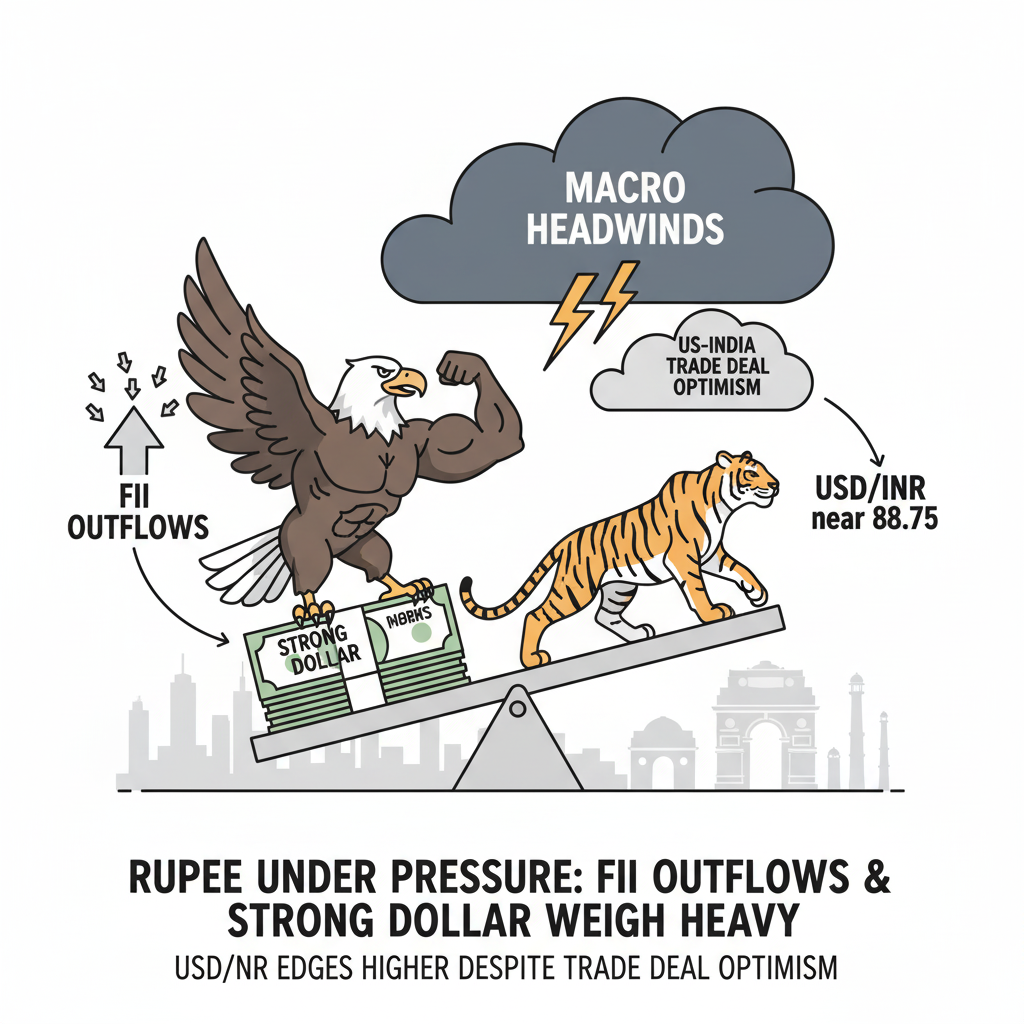
USD/INR Rises Despite Trade Deal Optimism: Why the Rupee Is Struggling to Find Its Footing

In a week marked by optimism over a potential US-India trade deal, the Indian rupee still found itself on the defensive. Despite positive diplomatic signals and improving global sentiment, the USD/INR pair edged higher toward 88.75, reflecting persistent structural challenges in India’s currency landscape. For investors and market watchers, this development offers a crucial reminder: short-term optimism can often be overshadowed by deeper macroeconomic currents.

Rupee Weakens Amid Trade Deal Hopes

The latest price action in the USD/INR pair underscores the complex interplay between political optimism and economic fundamentals. While both Washington and New Delhi expressed positive tones about strengthening trade relations, the rupee failed to gain traction.

US President Donald Trump’s recent comments about his “excellent relationship” with Prime Minister Narendra Modi, along with his hint of a potential India visit next year, briefly lifted sentiment in domestic markets. However, the move was not enough to offset the broader headwinds facing the rupee.

In normal circumstances, such diplomatic developments would be viewed as a catalyst for capital inflows and currency strength. But current market behavior tells a different story—investors are cautious, prioritizing global risk sentiment, yield differentials, and liquidity over trade rhetoric.

FII Outflows Weigh on Market Confidence

One of the primary reasons behind the rupee’s muted response is the continued selling by Foreign Institutional Investors (FIIs). The Indian equity market has seen net outflows for the third consecutive session, suggesting a growing preference for safer assets amid global uncertainty.

When FIIs pull money out of Indian equities or bonds, they convert their rupee holdings into dollars, thereby increasing demand for the greenback. This process naturally exerts upward pressure on the USD/INR pair, as seen this week.

Despite India’s robust long-term growth story, foreign investors have become increasingly sensitive to short-term global cues—rising US Treasury yields, a strong dollar index, and uncertainty over geopolitical tensions. The net result is a rupee that continues to trade on the weaker side of its recent range, even in the face of positive domestic developments.

Dollar Dominance Persists

Another key factor supporting the dollar and weighing on the rupee is the strength of the US Dollar Index (DXY), which remains elevated around 99.80. The DXY’s resilience is a reflection of ongoing risk aversion and the market’s expectation that the US Federal Reserve will keep interest rates higher for longer to ensure inflation stability.

A stronger dollar globally translates into weaker emerging-market currencies, including the rupee. Even as the Indian economy demonstrates solid GDP growth and relatively contained inflation, global investors continue to favor the safety and yield advantage of US assets.

This environment makes it difficult for the rupee to sustain gains unless there is a decisive turnaround in the DXY or a surge in foreign inflows.

Technical Picture: Bulls Retain Control

From a technical perspective, the USD/INR pair remains in a bullish zone. The currency pair is currently hovering near its 20-day Exponential Moving Average (EMA) at 88.60, signaling strong near-term support.

Moreover, the 14-day Relative Strength Index (RSI) has moved above the 60 mark—an indicator that momentum may be shifting back toward buyers. This suggests that unless there is a sudden surge in rupee demand, the pair could retest its previous record high near 89.12 in the coming sessions.

On the downside, support for the rupee lies around 87.07, which coincides with the August 21 low. A break below this level could indicate renewed strength in the Indian currency, but for now, the trend remains biased toward the dollar.

Macroeconomic Underpinnings: Trade, Inflation, and Oil

Beyond short-term technicals, the rupee’s performance also reflects India’s macroeconomic backdrop. The country’s trade deficit remains elevated, driven by strong imports and steady demand for crude oil. As one of the world’s largest oil importers, India is particularly vulnerable to fluctuations in global energy prices.

When oil prices rise, India’s import bill expands, increasing the demand for US dollars and exerting pressure on the rupee. Although oil has remained relatively stable in recent weeks, any renewed geopolitical tension—especially in the Middle East—could quickly tilt the balance.

At the same time, domestic inflation has stayed above the Reserve Bank of India’s (RBI) comfort zone for much of the year. While the central bank has kept policy rates steady, its cautious tone suggests that it will continue to monitor price pressures closely. A stable but cautious monetary policy means the RBI is unlikely to aggressively intervene to strengthen the rupee unless volatility becomes disruptive.

RBI’s Stance: Controlled Flexibility

The Reserve Bank of India has long maintained a policy of allowing the rupee to find its fair value while intervening only to prevent excessive volatility. This approach helps preserve foreign exchange reserves and maintain investor confidence in the market’s natural price mechanisms.

Recent price movements suggest that the RBI is comfortable with the rupee hovering in the 88–89 range, provided the depreciation is orderly. The central bank’s interventions, when they occur, are typically aimed at smoothing sharp moves rather than defending a specific level.

For traders, this implies that volatility in USD/INR will likely remain contained, but sustained rupee appreciation will require a shift in broader macroeconomic trends, such as a weaker dollar or renewed FII inflows.

US-India Trade Deal: A Long-Term Catalyst, Not a Quick Fix

The potential US-India trade deal has generated optimism about deeper economic cooperation and potential tariff reductions between the two nations. However, currency markets tend to discount such political developments until they translate into measurable trade and investment flows.

If the deal progresses and leads to increased US investment in India’s manufacturing, defense, and digital sectors, it could provide a long-term boost to the rupee by improving the current account balance and strengthening foreign exchange inflows.

For now, though, traders are focusing on the immediate fundamentals—FII flows, inflation trends, and global risk sentiment. These near-term factors are likely to dominate USD/INR movements until the trade deal moves from headlines to execution.

Global Context: Mixed Risk Sentiment

Global market sentiment remains uneven. While optimism around trade diplomacy provides some tailwinds, concerns over US-China tensions, Middle East conflicts, and slowing global growth continue to drive risk aversion. Emerging-market currencies, including the rupee, often bear the brunt of such volatility.

Adding to the mix, US bond yields remain near multi-month highs, drawing capital away from emerging markets. This trend underscores why, despite positive domestic headlines, the rupee’s upside remains capped.

Outlook: Rupee’s Path Ahead

For investors and traders, the outlook for the rupee over the next few months will depend on a few key factors:

  1. Dollar Index Trends: A sustained pullback in the DXY could offer some relief to the rupee, particularly if global investors rotate back into emerging-market assets.
  2. RBI Interventions: Subtle but steady RBI activity in the forex market could help cap volatility and prevent runaway depreciation.
  3. FII Behavior: Renewed foreign inflows into Indian equities and debt would provide fundamental support to the rupee.
  4. Global Oil Prices: Stable or lower crude prices would ease the pressure on India’s current account deficit and help stabilize the currency.

If these conditions align, the rupee could gradually strengthen toward 87 levels. However, if global uncertainty persists and dollar demand remains firm, the pair may hover near the upper end of its range, between 88.50 and 89.00.

Final Thoughts: Patience Over Panic

From an investor’s standpoint, the recent weakness in the rupee is not a cause for alarm but a reflection of current global realities. India’s economic fundamentals remain sound, with strong growth potential, a vibrant manufacturing base, and robust domestic demand.

In the short term, the USD/INR uptrend reflects global risk dynamics more than domestic weakness. Once inflation moderates and FII confidence returns, the rupee could find firmer footing.

As a stock market expert, I believe this period offers an opportunity for long-term investors to stay patient. The rupee’s short-term softness could set the stage for stronger capital inflows once macro conditions improve. The US-India trade optimism, while not an immediate catalyst, reinforces the long-term bullish case for India’s economic narrative.

Until then, the message is clear: the rupee may bend under global pressures, but it is far from breaking.