“How Psychological Biases Impact Your Investment Decisions: Key Insights”

Investing in the financial markets isn’t just about numbers, charts, and trends. It’s also about human psychology, which can play a significant role in shaping our investment decisions. Many investors, whether they are professionals or beginners, unknowingly fall prey to various cognitive biases that affect their behavior and ultimately influence their financial outcomes. These biases are patterns of thinking that deviate from rational judgment, leading us to make decisions that may not always be in our best interest. Understanding these psychological biases is crucial for any investor aiming to make smarter, more rational decisions.

In this article, we explore the psychological biases that commonly affect investment behavior, offering insight into why we sometimes make irrational choices and how we can combat them.

1. Overconfidence Bias: The Danger of Underestimating risk

Overconfidence bias is one of the most pervasive psychological biases in the world of investing. It refers to the tendency of individuals to overestimate their knowledge, skills, or ability to predict future outcomes. When it comes to investing, this bias manifests as an inflated belief in one’s ability to predict market movements, choose stocks, or time investments.

Investors suffering from overconfidence often make more frequent trades, believe they can beat the market, and take on more risk than is prudent. This can result in excessive trading, chasing after high-risk assets, and, ultimately, losses. Overconfidence often leads investors to ignore important information that contradicts their assumptions, believing instead that their judgment is superior to others’.

For example, a person who has had a few successful investments might assume that they have the “magic touch” and begin making riskier moves, unaware of the potential pitfalls. This overestimation of their predictive abilities can be dangerous, particularly in volatile markets.

To avoid overconfidence, investors should remain humble about their knowledge and take a more cautious, data-driven approach to investing. Diversifying investments and seeking advice from experts can also help reduce the negative effects of this bias.

2. Loss Aversion: The Pain of Losing

Loss aversion is the psychological principle that suggests people feel the pain of losses more intensely than the pleasure of gains. Studies have shown that losses are psychologically about twice as powerful as gains. This bias can significantly impact an investor’s decision-making, as the fear of loss often drives them to make suboptimal choices.

In the context of investing, loss aversion can manifest in several ways. For example, investors may be reluctant to sell an underperforming stock because they don’t want to realize a loss, even when it’s clear that the asset will not recover. Instead, they may hold onto a losing investment for far too long, hoping it will rebound, which can result in further losses.

Alternatively, loss aversion can also lead to excessive caution, where an investor might shy away from taking any risk, even when the potential gains outweigh the risks. This leads to missed opportunities, particularly in volatile but high-reward markets.

To combat loss aversion, investors should focus on the long-term perspective rather than getting caught up in short-term fluctuations. Setting predetermined exit strategies, maintaining a diversified portfolio, and employing techniques such as dollar-cost averaging can also help investors overcome this bias.

3. Herd Mentality: Following the Crowd

Herd mentality refers to the tendency of individuals to mimic the actions of a larger group, often without independent thought or analysis. In investing, herd mentality can cause investors to follow trends and popular opinions rather than relying on their own judgment or research.

When markets are booming, herd mentality can cause a buying frenzy, with investors piling into assets that are rapidly rising in price. Similarly, during market downturns, the same bias can cause panic selling, as everyone begins to dump their stocks in a rush to avoid losses. These herd-driven behaviors often lead to market bubbles and crashes, as seen during the dot-com bubble or the 2008 financial crisis.

Herd mentality can be particularly dangerous for individual investors who fail to do their own research or understand the fundamentals behind their investments. It’s easy to get swept up in the excitement of a hot stock or trend, but this can lead to buying at the top of the market, only to face significant losses when the bubble inevitably bursts.

To avoid falling into the trap of herd mentality, it’s important to conduct thorough research and focus on the fundamentals of an investment, rather than simply following the crowd. A disciplined, long-term approach to investing is the best way to avoid making emotional decisions driven by market noise.

4. Anchoring Bias: Sticking to the Initial Price

Anchoring bias occurs when individuals rely too heavily on the first piece of information they receive when making a decision, even if that information is irrelevant or misleading. In investing, anchoring can lead investors to fixate on the original purchase price of an asset, which can cloud their judgment when making future decisions about that asset.

For example, if an investor buys a stock at $100 and the price subsequently drops to $50, they might hold onto the stock, thinking that it will eventually return to its original price, even if the underlying fundamentals have changed. This fixation on the initial price can lead to emotional attachment and prevent rational decision-making.

Anchoring bias can also cause investors to make poor portfolio allocation decisions. For instance, they may be unwilling to diversify their investments because they are anchored to the idea that a certain asset is their “best” investment, even if its performance has stalled or declined.

To combat anchoring bias, investors should focus on the present value of their investments and consider all available information when making decisions. It’s important to evaluate assets based on their current and future potential, not just their past performance or the price at which they were purchased.

5. Recency Bias: Overreacting to Recent Events

Recency bias is the tendency to give undue weight to recent events or trends when making decisions. In the world of investing, this means that investors may place too much emphasis on short-term market fluctuations and recent performance, while ignoring the long-term outlook.

For example, if a stock has performed well over the past few months, recency bias might lead an investor to assume that it will continue to perform well, ignoring the possibility of market corrections or changes in the economic landscape. Conversely, if a stock has underperformed recently, recency bias might lead an investor to prematurely sell it, overlooking the potential for future recovery.

Recency bias can cause investors to overreact to short-term volatility, either by getting too excited about short-term gains or by panicking in the face of short-term losses. This can result in buying high and selling low, a strategy that is almost guaranteed to lead to poor returns.

To mitigate recency bias, investors should focus on the long-term trend rather than short-term fluctuations. Maintaining a diversified portfolio and sticking to a well-thought-out investment strategy can help prevent emotional decision-making based on recent events.

6. Confirmation Bias: Seeking Validation for Beliefs

Confirmation bias occurs when individuals search for, interpret, or remember information in a way that confirms their pre-existing beliefs or assumptions. In investing, confirmation bias can be particularly damaging because it can cause investors to ignore contradictory information and focus only on data that supports their investment choices.

For instance, if an investor is bullish on a particular stock, they may selectively seek out news articles, analyst reports, or social media posts that align with their positive view of the stock, while disregarding negative opinions or warnings. This bias can prevent investors from adjusting their strategies in response to new information and lead to poor decision-making.

Confirmation bias often results in a lack of diversification, as investors may become overly confident in a single asset or investment strategy. This narrow focus can expose them to unnecessary risks if that investment performs poorly.

To avoid confirmation bias, investors should actively seek out diverse perspectives and be open to information that challenges their beliefs. It’s also helpful to conduct regular portfolio reviews and be willing to adjust one’s strategy based on evolving market conditions and new insights.

Conclusion

Psychological biases play a significant role in shaping our investment behavior, often leading us to make irrational decisions that can harm our financial wellbeing. By understanding the common biases such as overconfidence, loss aversion, herd mentality, anchoring, recency, and confirmation bias, investors can become more self-aware and make more rational, data-driven decisions.

Overcoming these biases is not easy, but it is crucial for long-term success in investing. A disciplined approach, ongoing education, and a focus on the long-term can help mitigate the impact of these biases and improve the likelihood of achieving financial goals. By recognizing the psychological traps we are prone to, we can make more informed, thoughtful investment choices that align with our risk tolerance and overall financial strategy.


“How to Choose the Perfect Domain Name: 6 Essential Tips for Success”

Choosing a domain name for your website is one of the most crucial decisions you’ll make when establishing your online presence. A domain name is not just an address on the internet, it’s the identity of your business, blog, or personal brand. The right domain name can make a big difference in how easily people find your site, remember it, and even trust it. With so much riding on this decision, it’s important to put thought into selecting the perfect domain name that resonates with your target audience, enhances your branding, and drives traffic to your site.

Below are six essential guidelines to help you choose the best domain name for your website.

1. Keep It Short and Memorable

One of the most important aspects of a great domain name is that it should be easy to remember. . Long and complex domain names are harder for people to remember, which can ultimately hurt your brand’s visibility and accessibility.

In today’s fast-paced digital world, people don’t have time to remember complicated addresses. A short domain name not only makes it easier for visitors to find your website, but it’s also more convenient for sharing with others, either through word of mouth, email, or social media. Imagine a customer trying to remember a website like www.excellentfurnitureanddecorationsonline.com versus **www.furniturestore.com**—the second one is much easier to recall.

Another reason to keep your domain name short is that it helps avoid typing errors. If your domain is overly long, with multiple words strung together, people may misspell it or forget some part of it entirely. By keeping it concise, you increase the chances that visitors will land on your site and not get lost on the way.

So, the key takeaway here is: Aim for a domain name that’s not only brief but also simple and clear. The simpler it is, the more likely it is that people will remember it.

2. Avoid Numbers and Hyphens

You might think that adding a number or a hyphen to your domain name could help make it unique or easier to get, but that can often backfire. Numbers and hyphens create confusion and increase the likelihood that visitors will make mistakes when typing in the web address.

For example, if your domain is something like www.furniture-4you.com, potential visitors may be unsure whether they need to type out the number “four” or use the numeral “4.” Additionally, if someone hears your domain name spoken aloud (like in an advertisement or on the phone), they may struggle to remember whether to type a hyphen or not.

Hyphens in particular are often associated with spammy or less trustworthy sites. This is something you’ll want to avoid if you’re serious about your online presence. The more streamlined your domain, the more professional it will look. When in doubt, keep your domain name as simple and clean as possible. Stick to letters only.

3. Use Relevant Keywords

Incorporating relevant keywords into your domain name can help improve your website’s SEO (search engine optimization). SEO is all about ensuring your site ranks well on search engines like Google, so the more your domain name aligns with what people are searching for, the better your chances are of showing up in search results.

For instance, if you run a bakery in Chicago, you might want a domain name like www.chicagobakery.com or www.bestbakeschicago.com. Using keywords like “bakery” or “Chicago” makes it clear what your website is about and can help attract visitors who are specifically looking for those services.

However, don’t overdo it. While it’s important to use keywords, the domain should still sound natural. The best domain names strike a balance between being descriptive and easy to remember. Avoid stuffing your domain with too many keywords (this is known as “keyword stuffing”) because it can make your website seem spammy and untrustworthy.

By carefully choosing a domain name that reflects your business and includes keywords that people might search for, you’re more likely to drive organic traffic to your website.

4. Think About Your Brand

Your domain name is often the first thing people will encounter when they find your website, so it needs to be consistent with your brand’s identity. Whether you’re building a personal blog or creating a business website, the domain name should give visitors a sense of what your brand stands for.

If you’re running a personal blog about wellness and fitness, for instance, a domain like www.fitandhealthy.com would clearly reflect your niche. But if you’re trying to establish a more specific or unique brand, a domain name like www.zenlifebalance.com might help convey that specific message more effectively.

Your domain name should evoke the right feeling about your business or personal brand. Consider your target audience, what message you want to communicate, and the overall tone of your website. Is your brand fun and quirky, or professional and serious? Choose a domain name that fits with your brand’s vibe and values.

It’s also important to think long-term. Your business may evolve, and you don’t want your domain name to limit your future growth. A name that’s too narrow or trendy might pigeonhole your brand and make it harder to expand into new products or services later on. Choose a domain name that you can see growing with your brand.

5. Check Availability

Before you get too attached to a domain name, it’s essential to check whether it’s available. With millions of websites out there, it’s easy to find that your first choice is already taken. The last thing you want is to fall in love with a name only to discover it’s already in use or too expensive to buy.

Luckily, many domain registrars (like GoDaddy, Namecheap, or Google Domains) allow you to search for available domain names quickly. If your preferred name is already taken, these platforms will often suggest alternative options that are similar to your original idea.

Sometimes, the exact domain name you want might be available, but the domain extension (.com, .net, .org, etc.) you’re hoping for might not be. While .com is still the most common and trusted domain extension, you can explore other options if you’re set on a particular name.

Also, be sure to check for trademarks. Using a domain name that’s too similar to an established brand could result in legal issues. Make sure you do your due diligence to avoid costly mistakes down the road.

6. Think About the Long Term

Choosing a domain name is not just about what sounds good today. It’s about how your brand will evolve in the future. As your business grows, you might decide to expand into new products, services, or markets. Ideally, your domain name should be flexible enough to grow with you.

For example, let’s say you start a website selling handmade soaps, and your domain name is www.bestsoaps.com. While this is a good choice at first, what happens when you decide to expand and start selling candles or skincare products? You’ll find that a domain name that’s too specific might limit your brand’s future potential.

Instead, opt for a name that can accommodate your brand’s evolution. A broader domain name like www.naturalskincareproducts.com may provide more flexibility in the future.

It’s also a good idea to plan for longevity. Avoid trends or fads that might sound relevant today but will feel outdated in a few years. Picking a timeless domain name will ensure that your brand stays relevant for the long haul.

Conclusion

Choosing the right domain name is a vital step in building your online presence. It represents your brand, impacts how people find and remember your website, and even affects your SEO rankings. By following the six key tips mentioned—keeping your domain name short and memorable, avoiding numbers and hyphens, incorporating relevant keywords, aligning with your brand, checking availability, and thinking long-term—you’ll be well on your way to selecting a domain name that supports your goals and helps you stand out in the online world.

What Is Financial Planning? A Step-by-Step Approach to Achieving Your Goals

Financial planning is often seen as an essential step for individuals looking to achieve financial stability and long-term success. It is a holistic process that involves reviewing your entire financial situation, identifying your goals, and creating a plan to manage your money effectively in order to meet those goals. The ultimate aim of financial planning is to help you prepare for future needs, such as retirement, education, homeownership, and estate planning, while ensuring that your financial decisions are aligned with your overall life priorities.

Let’s break down what financial planning entails, why it matters, and how it can benefit you.

1. The Purpose and Definition of Financial Planning

At its core, financial planning is the process of evaluating your current financial situation and creating a roadmap to achieve your long-term goals. This goes beyond simply managing daily expenses or tracking your savings. It is about building a strategy that takes into account your present and future needs, helping you make informed decisions that will improve your financial wellbeing over time.

Financial planning helps individuals address a wide range of financial concerns, from budgeting and debt management to saving for retirement or education. It’s a dynamic process that can be revisited as your life circumstances change, such as when you get married, have children, or retire. The key goal is to create a comprehensive strategy that ensures your finances are aligned with your broader life objectives, providing you with a sense of financial security and peace of mind.

In short, financial planning is not just about accumulating wealth—it’s about making the best use of your resources to support the life you want to live.

2. The Broad Scope of Financial Planning

One of the misconceptions about financial planning is that it’s only about investments. While investment management is an important component, financial planning covers much more. A good financial plan takes into account many facets of your financial life, each of which contributes to your overall financial health.

Some of the key areas that financial planning addresses include:

  • Budgeting and Cash Flow Management: This is about tracking your income and expenses to ensure you are living within your means. Budgeting helps you prioritize saving, managing debt, and planning for both short-term and long-term needs.
  • Insurance Planning: Protecting yourself and your family from financial hardship is essential. Insurance planning may involve evaluating your need for life insurance, health insurance, disability insurance, and other forms of coverage that safeguard your assets and income.
  • Retirement Planning: Building a plan to ensure you have enough money to live comfortably in retirement is one of the most common reasons people seek financial planning advice. This includes choosing retirement accounts, like 401(k)s or IRAs, and strategizing how much to save each year.
  • Tax Planning: Financial planning also involves tax optimization strategies. By working with a financial planner, you can identify ways to minimize your tax burden, which may include tax-advantaged savings accounts or tax-loss harvesting strategies.
  • Estate Planning: This is about preparing for the distribution of your wealth after your death. Estate planning involves creating a will, establishing trusts, and planning for potential estate taxes.
  • Education Funding: Many individuals want to plan for their children’s or grandchildren’s education. This could involve setting up a 529 plan or other savings vehicles designed to grow over time and meet the cost of tuition and related expenses.

Each of these areas is interconnected, and a well-rounded financial plan will take all of them into account to create a cohesive strategy.

3. The Role of a Financial Planner

While some individuals are capable of creating their own financial plans, many people turn to professionals for help. A financial planner is a licensed professional who specializes in assessing your financial situation and helping you design a personalized plan that aligns with your goals. Financial planners can help you evaluate your current financial status, including income, assets, and liabilities, and use that information to create a roadmap for achieving your financial objectives.

Financial planners offer a variety of services, depending on their expertise and certifications. The most widely recognized certification for financial planners is the Certified Financial Planner (CFP®) designation. Planners with this certification are required to pass rigorous exams and adhere to ethical standards, ensuring that they have the knowledge and skills necessary to provide comprehensive advice.

Some planners work on a fee-only basis, meaning they do not receive commissions from selling financial products. This can help reduce potential conflicts of interest. Others may work on a commission basis, particularly those who sell insurance or investment products. Understanding how your financial planner is compensated is crucial to determining whether their recommendations are truly in your best interest.

The services offered by a financial planner can range from creating a one-time financial plan to providing ongoing guidance and portfolio management. For individuals with complex financial situations, a financial planner may offer continuous support, helping them adjust their plan as circumstances change.

4. The Process of Creating a Financial Plan

Creating a financial plan is a structured process that typically follows several key steps:

Step 1: Assessing Your Current Financial Situation

The first step in creating a financial plan is to take stock of your current financial situation. This includes reviewing your income, expenses, debts, assets, and liabilities. A comprehensive assessment will also include identifying areas of strength and weakness, as well as any potential risks that could affect your future financial stability.

Step 2: Setting Financial Goals

Once you have a clear picture of where you currently stand, the next step is to define your financial goals. These could include short-term goals, such as building an emergency fund, and long-term goals, such as saving for retirement or purchasing a home. Clearly defined goals will help you create a focused and actionable plan.

Step 3: Developing a Strategy

After defining your goals, the next step is to create a plan to reach them. This may involve strategies for saving, investing, paying off debt, or reducing expenses. Your financial planner can help you determine the best course of action to achieve your goals within the timeline you’ve set.

Step 4: Implementation

Once your plan is in place, it’s time to take action. This step may involve setting up retirement accounts, creating a budget, buying insurance, or beginning an investment strategy. Your financial planner can assist with implementing these strategies and ensuring you stay on track.

Step 5: Monitoring and Reviewing Your Plan

Financial planning is an ongoing process. It’s important to regularly review and adjust your plan to ensure it remains aligned with your goals and adapts to any changes in your life. A good financial planner will help you track your progress and make adjustments as needed, whether that means reallocating investments, changing insurance policies, or altering your savings goals.

5. The Cost of Financial Planning

The cost of financial planning varies significantly based on the services provided and the advisor’s compensation structure. Some financial planners charge an hourly rate, while others may work on a retainer basis or receive commissions for selling financial products.

A flat fee for a comprehensive financial plan can range from several hundred dollars to a few thousand, depending on the complexity of your situation. A more common approach is a fee-based model, where the planner charges a percentage of the assets they manage, typically ranging from 0.5% to 1% per year.

For individuals looking for a standalone financial plan (without ongoing management), surveys indicate that the average cost for a financial plan can be around $2,000 to $3,000. However, this can vary depending on the advisor’s reputation and the amount of work involved.

While hiring a financial planner involves a cost, many individuals find that the value of professional advice far outweighs the expense, particularly when it comes to achieving long-term financial security.

6. Choosing the Right Financial Planner

When choosing a financial planner, it’s important to consider several factors:

  • Qualifications and Credentials: Look for planners who hold certifications like CFP®, which demonstrate their expertise and adherence to industry standards.
  • Compensation Structure: Understand how the planner is compensated to ensure there are no conflicts of interest.
  • Services Offered: Make sure the planner provides the services you need, whether that’s creating a one-time financial plan or ongoing portfolio management.
  • Experience and Specialization: Some planners specialize in specific areas, such as retirement planning or tax strategies. Ensure the planner has experience dealing with situations similar to yours.

Choosing the right financial planner is essential to ensuring that your financial plan is built on sound advice and executed effectively.

Conclusion

Financial planning is an invaluable tool for achieving financial security and meeting your life goals. Whether you choose to do it yourself or hire a professional, the key is to create a clear, actionable plan that helps you manage your money wisely. With a well-designed financial plan, you can feel confident in your ability to navigate life’s financial challenges, secure your future, and achieve the things that matter most to you.

Safety Measures for Protecting a Current Account

A current account is an essential financial tool for businesses, professionals, and entrepreneurs who handle frequent transactions. Since current accounts are actively used for daily payments, collections, and transfers, they are more exposed to security risks compared to regular savings accounts. With the increasing use of digital banking, online payments, and electronic fund transfers, protecting a current account has become extremely important. Ensuring account safety helps prevent financial losses, fraud, and unauthorized access.

One of the most important steps in keeping a current account safe is securing the device used for banking activities. Whether banking is done through a computer, laptop, or smartphone, the device must have updated antivirus and security software. Malware, spyware, and viruses can silently track keystrokes or steal login credentials if proper protection is not in place. Regular software updates are equally important, as they fix security vulnerabilities that hackers often exploit. Using licensed operating systems and applications adds another layer of safety.

Phishing attact on Current account

Phishing is one of the most common threats faced by current account holders. Phishing involves fraudulent emails, messages, or calls that appear to come from a bank or trusted organization. These messages often create urgency by claiming that the account will be blocked or that suspicious activity has been detected. They may ask for sensitive details such as passwords, PINs, or one-time passwords. Account holders must remember that banks never ask for confidential information through emails or phone calls. Ignoring suspicious communication and directly contacting the bank through official channels can prevent serious fraud.

Using public or unsecured Wi-Fi networks is another major risk to current account safety. Public Wi-Fi in places such as cafes, airports, or hotels is often not secure, making it easier for cybercriminals to intercept data. Logging into online banking platforms or making financial transactions on such networks can expose sensitive information. It is always safer to use a private and secure internet connection. If access through public Wi-Fi is unavoidable, using additional security tools such as encrypted connections can reduce risk.

Regularly changing passwords is a simple yet effective way to enhance account security. Strong passwords should include a mix of letters, numbers, and special characters. Using easily guessable passwords such as birthdates, business names, or simple number sequences should be avoided. It is also important not to reuse the same password across multiple platforms. Changing passwords every few months reduces the chances of unauthorized access, even if login details are accidentally compromised.

ATM and debit card safety is another crucial aspect of protecting a current account. While using ATMs, account holders should be alert and ensure that no suspicious devices are attached to the machine. Covering the keypad while entering the PIN helps prevent others from observing it. Debit cards should never be shared, and card details such as the CVV number and expiry date must remain confidential. During card-based transactions, it is advisable to keep the card within sight to prevent misuse.

Monitoring account activity regularly plays a vital role in early detection of fraud. Checking account statements and transaction alerts helps identify any unauthorized or unusual transactions. Many banks provide instant alerts through SMS or email for every transaction. These alerts should not be ignored. If any transaction seems unfamiliar, the account holder should immediately contact the bank. Quick action can often limit financial damage and help recover lost funds.

Another important safety practice is limiting access to the current account. Only trusted individuals should have authorization to operate the account. For businesses, access rights should be clearly defined for employees handling financial operations. Providing limited permissions rather than full access reduces the risk of misuse. Regular review of authorized users and permissions ensures that only current and trusted individuals have access to the account.

Keeping banking information confidential is essential for account safety. Important documents such as cheque books, passbooks, and account statements should be stored securely. Cheques should be filled carefully, and unused cheque leaves must be kept safe to avoid misuse. When disposing of old financial documents, shredding them prevents sensitive information from falling into the wrong hands.

Being cautious while using online banking services is equally important. Always log in to banking websites by typing the official website address rather than clicking on links from emails or messages. Ensuring that the website is secure before entering login credentials adds another layer of protection. Logging out after completing transactions, especially on shared or public devices, prevents unauthorized access.

Reporting suspicious activity without delay is one of the most effective ways to protect a current account. If an account holder notices any unusual behavior, such as failed login attempts, unexpected password changes, or unknown transactions, the bank should be informed immediately. Banks have dedicated support systems to handle such situations and can temporarily block the account to prevent further loss.

In conclusion, keeping a current account safe requires awareness, discipline, and regular monitoring. As financial transactions increasingly move online, the risk of fraud and cyber threats continues to grow. By securing devices, avoiding phishing scams, using safe internet connections, maintaining strong passwords, and staying alert during transactions, account holders can significantly reduce security risks. Regular monitoring and quick reporting of suspicious activity further strengthen protection. A proactive approach to account safety not only safeguards money but also ensures smooth and stress-free banking operations.

Current Account
Current Account

How Psychology Affects Investment Decisions

How Psychology Affects Investment Decisions. Behavioral finance is a field of study that explains how human psychology, emotions, and behavior influence financial decisions. Traditional finance theories assume that investors are rational, always make logical choices, and carefully analyze all available information before investing. However, real-life experience shows that investors often act emotionally and make decisions based on fear, greed, overconfidence, or social influence. Behavioral finance helps explain why people sometimes make irrational financial decisions and why markets do not always behave as expected.

At the core of behavioral finance is the idea that humans are not perfect decision-makers. Instead of carefully evaluating risks and returns, people often rely on mental shortcuts or past experiences when making financial choices. These shortcuts may save time, but they can also lead to mistakes. For example, an investor might buy a stock simply because it has performed well in the past, without properly analyzing whether it is still a good investment. Behavioral finance studies such patterns to understand how psychological factors affect financial behavior.

One of the most important aspects of behavioral finance is the role of emotions in decision-making. Emotions such as fear and greed strongly influence investor behavior. Fear can cause investors to sell their investments during market downturns, even when holding them might be the better long-term decision. On the other hand, greed can push investors to take excessive risks during market booms, leading them to invest in overpriced assets. These emotional reactions often result in poor timing decisions, such as buying at market highs and selling at market lows.

Behavioral finance also focuses on cognitive biases, which are systematic errors in thinking that affect judgment and decision-making. One common bias is loss aversion. Loss aversion refers to the tendency of people to feel the pain of losses more strongly than the pleasure of gains. Because of this, investors may hold on to losing investments for too long, hoping they will recover, rather than accepting a loss and moving on to better opportunities. This behavior can negatively impact long-term investment performance.

Another important bias studied in behavioral finance is overconfidence. Overconfident investors believe they have superior knowledge or skills compared to others. This can lead them to trade too frequently, underestimate risks, or invest heavily in a small number of assets. Overconfidence often results in higher transaction costs and increased exposure to risk, which can reduce overall returns. Many investors fail to realize that markets are unpredictable and that even experts can make mistakes.

Anchoring is another psychological bias that affects financial decisions. Anchoring occurs when investors rely too heavily on the first piece of information they receive, such as the original purchase price of a stock. For example, an investor may refuse to sell a stock below the price they paid for it, even if the company’s future prospects have weakened. This attachment to a reference point can prevent investors from making objective decisions based on current information.

Herd behavior is also a key concept in behavioral finance. Herd behavior occurs when individuals follow the actions of a larger group, often without conducting their own analysis. In financial markets, this behavior can be seen during market bubbles and crashes. When many investors buy an asset simply because others are buying it, prices can rise far above their true value. Similarly, panic selling during market downturns can cause sharp declines. Herd behavior explains why markets sometimes move in extreme and irrational ways.

The collective impact of these psychological biases and behaviors can lead to market inefficiencies. Traditional finance theories suggest that markets are efficient and reflect all available information. Behavioral finance challenges this idea by showing that investor behavior can cause prices to deviate from their true value. Market bubbles, sudden crashes, and prolonged periods of mispricing are often the result of emotional decision-making and widespread behavioral biases.

Behavioral finance also highlights the limitations of purely mathematical and theoretical models in finance. While traditional models are useful, they often fail to account for human behavior. Behavioral finance adds a more realistic perspective by recognizing that investors are influenced by emotions, social factors, and personal experiences. This makes behavioral finance an important tool for understanding real-world market behavior.

Understanding behavioral finance is valuable not only for economists and financial professionals but also for individual investors. By becoming aware of common biases and emotional traps, investors can improve their decision-making process. For example, recognizing the tendency to panic during market declines can help investors stay calm and stick to their long-term investment plans. Awareness of overconfidence can encourage investors to diversify their portfolios and manage risk more effectively.

Behavioral finance also plays an important role in financial planning and advisory services. Financial advisors use insights from behavioral finance to help clients make better decisions. By understanding a client’s emotional responses to risk and loss, advisors can design investment strategies that align with both financial goals and psychological comfort levels. This personalized approach can lead to better investment outcomes and greater client satisfaction.

In conclusion, behavioral finance provides a deeper understanding of how psychological factors influence financial decisions and market behavior. It explains why investors do not always act rationally and why markets sometimes behave unpredictably. By studying emotions, biases, and human behavior, behavioral finance offers valuable insights that complement traditional financial theories. For investors, understanding behavioral finance can lead to better decision-making, improved discipline, and long-term financial success.

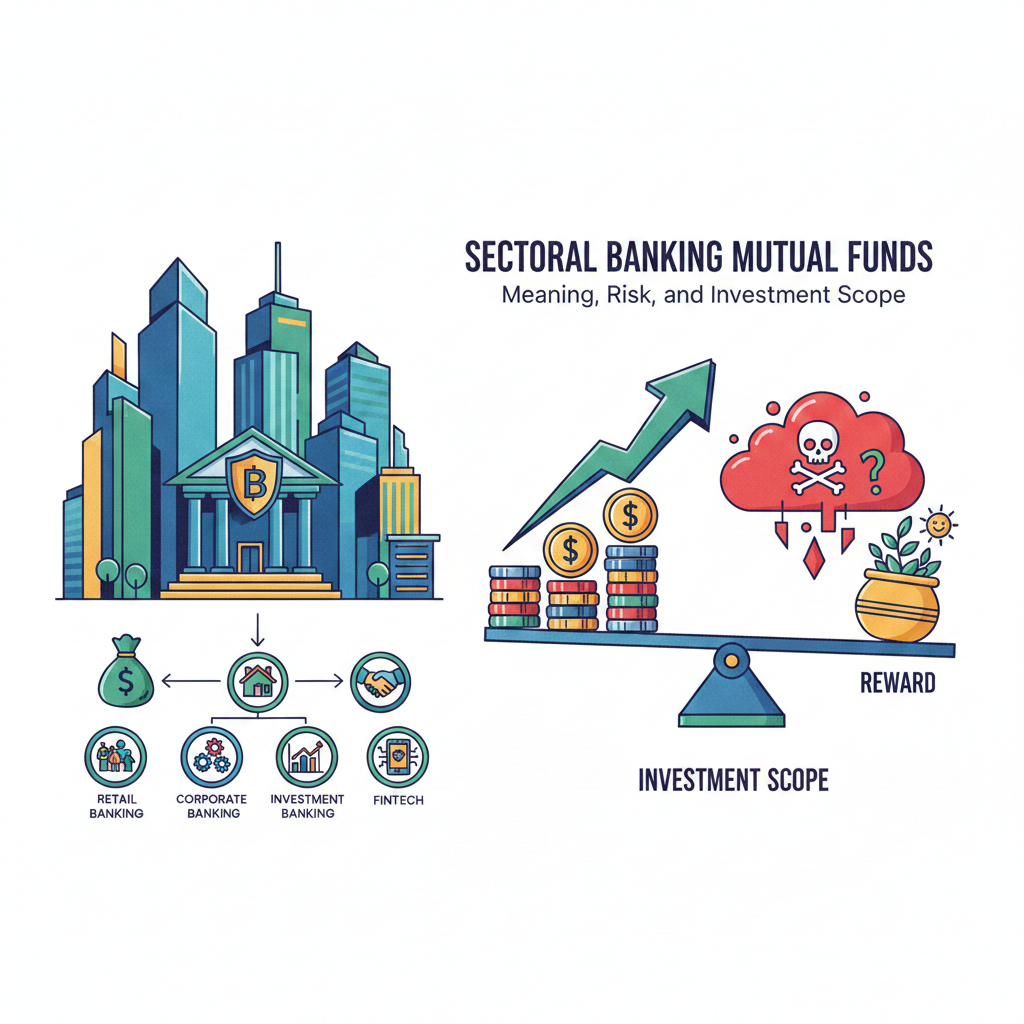
Sectoral Banking Mutual Funds: Meaning, Risk, and Investment Scope

Sectoral banking mutual funds are a category of equity mutual funds that invest specifically in the banking and financial services sector. Unlike diversified equity funds, which spread investments across multiple industries such as IT, pharmaceuticals, FMCG, and manufacturing, sectoral banking funds focus only on banks, non-banking financial companies (NBFCs), insurance companies, and other financial institutions. This concentrated investment approach means that the performance of these funds is closely tied to how the banking sector performs as a whole.

The banking sector plays a very important role in the economy. Banks are responsible for lending money, supporting businesses, managing savings, and facilitating economic growth. When the economy is growing, demand for loans increases, interest income rises, and banks tend to perform well. During such phases, sectoral banking funds can generate strong returns. However, when the economy slows down, loan defaults increase, interest margins shrink, and banking stocks can underperform. Because of this direct link to economic cycles, sectoral banking mutual funds are considered more volatile than diversified equity funds.

One of the most important aspects of sectoral banking funds is their risk profile. These funds are categorized as high-risk investments. Since they invest in only one sector, they lack diversification. Diversification is important because it helps reduce risk by spreading investments across different industries. In sectoral banking funds, if the banking sector faces challenges such as rising non-performing assets (NPAs), regulatory changes, interest rate fluctuations, or economic slowdowns, the entire fund portfolio can be negatively affected. This makes these funds unsuitable for conservative investors or those with a low risk tolerance.

Due to their higher risk, sectoral banking funds are generally recommended only as a small part of an investor’s overall portfolio. Financial experts often suggest that exposure to sectoral funds should not exceed around 10% of the total investment portfolio. This ensures that even if the sector goes through a difficult phase, the overall portfolio remains relatively stable due to investments in other asset classes or sectors. Investors who allocate too much money to sectoral funds risk significant losses if the sector underperforms.

Another important consideration while investing in sectoral banking mutual funds is the investment time horizon. These funds are not suitable for short-term investments. The banking sector tends to go through cycles of growth and slowdown. Therefore, investors need to remain invested for a longer period to benefit from sectoral growth trends. A minimum investment horizon of 5 to 7 years is generally recommended. Staying invested for a longer duration allows investors to ride out short-term volatility and benefit from long-term economic expansion and reforms in the financial sector.

Historically, sectoral banking mutual funds have delivered attractive long-term returns during favorable market conditions. Over certain periods, these funds have generated average annual returns in the range of 15–16%. However, it is important to understand that these returns are not consistent every year. There can be periods of sharp gains followed by phases of underperformance. Past performance should not be seen as a guarantee of future returns, especially in sector-focused funds where market conditions can change quickly.

The performance of banking sector funds is influenced by several factors. Interest rates play a major role, as banks earn profits through the difference between lending and borrowing rates. Changes in government policies, banking regulations, capital adequacy requirements, and financial reforms also have a strong impact. Additionally, factors such as inflation, GDP growth, credit demand, and asset quality of banks affect sector performance. Investors should have at least a basic understanding of these factors before investing in sectoral banking funds.

There are several well-known mutual fund schemes in the sectoral banking category. These funds invest in a mix of public sector banks, private sector banks, NBFCs, and other financial institutions. Each fund may have a different investment strategy, level of risk, and portfolio composition. Some funds may focus more on private banks due to their strong balance sheets and better asset quality, while others may include public sector banks that can benefit from government support and reforms. Comparing fund performance, expense ratios, fund manager experience, and portfolio composition is important before making an investment decision.

Sectoral banking mutual funds are more suitable for experienced investors who understand market cycles and sector-specific risks. These investors are usually comfortable with higher volatility and have the ability to stay invested during market downturns without panic selling. First-time investors or those with limited knowledge of equity markets are generally advised to start with diversified equity funds instead of sectoral funds. Diversified funds provide exposure to multiple sectors and help manage risk more effectively.

Investment in sectoral banking funds can be done through lump sum investments or through systematic investment plans (SIPs). SIPs allow investors to invest a fixed amount regularly, which helps average out the purchase cost over time and reduces the impact of market volatility. This approach can be particularly useful for sectoral funds, as it encourages disciplined investing and avoids the risk of investing a large amount at the wrong market level.

In conclusion, sectoral banking mutual funds offer the potential for high returns but come with higher risk compared to diversified equity funds. Their performance is closely linked to the health of the banking sector and the overall economy. These funds are best suited for investors with a long-term perspective, higher risk tolerance, and a good understanding of sector dynamics. Limiting exposure, maintaining a long investment horizon, and combining them with diversified investments can help investors use sectoral banking funds effectively as part of a balanced portfolio.

Future of Digital Currency

Digital currency refers to money that exists entirely in electronic form and has no physical representation such as coins or paper notes. Unlike traditional cash, digital currency can only be accessed and used through electronic devices such as computers, smartphones, or tablets. It relies on digital systems and networks to store value and conduct transactions. As technology continues to reshape the global financial system, digital currencies have become an increasingly important topic for governments, businesses, and consumers alike.

One of the most important characteristics of digital currency is that it is intangible. Traditional money can be held, stored in wallets, or deposited physically in banks. Digital currency, on the other hand, exists only as data. Ownership and transfers are recorded electronically, often through secure databases or distributed ledger technologies. Because of this structure, digital currency allows for fast and efficient transactions that can occur across long distances without the need for physical transportation of money.

There are several different forms of digital currency, each serving distinct purposes and operating under different levels of regulation. The first major type is cryptocurrency. Cryptocurrencies are decentralized digital currencies that use cryptographic techniques to secure transactions and control the creation of new units. They typically operate on blockchain technology, which is a distributed ledger maintained by a network of computers rather than a central authority. This decentralization is one of the defining features of cryptocurrencies, as it reduces reliance on banks or governments. Bitcoin is the most well-known example, but thousands of other cryptocurrencies exist, each with unique features and use cases.

Another type of digital currency is virtual currency. Virtual currencies are usually issued and controlled by private organizations rather than governments. They are commonly used within specific online platforms, games, or digital ecosystems. Unlike cryptocurrencies, virtual currencies are generally centralized, meaning a single company or organization manages their supply and rules of use. These currencies are not typically intended to replace traditional money but are instead used for purchasing digital goods or services within a particular platform.

A third and increasingly significant form of digital currency is the central bank digital currency, often referred to as a CBDC. CBDCs are digital versions of a country’s official currency, issued and regulated by the central bank. Unlike cryptocurrencies, CBDCs are centralized and backed by the government. Their purpose is not to eliminate traditional money but to complement it by providing a digital alternative that maintains the stability and trust associated with national currencies. Many countries around the world are researching or piloting CBDCs as a way to modernize payment systems and improve financial inclusion.

Digital currencies function through electronic systems that allow users to store, send, and receive money digitally. Users typically access their digital currency through digital wallets, which can be software-based applications or online platforms. These wallets store the credentials needed to access the currency and authorize transactions. Transactions are processed through networks that verify and record transfers, ensuring that funds are not duplicated or fraudulently spent. In the case of cryptocurrencies, this process often involves miners or validators who confirm transactions and add them to a blockchain.

One of the main advantages of digital currency is speed. Traditional financial transactions, especially international transfers, can take several days to process due to multiple intermediaries and regulatory checks. Digital currencies can significantly reduce transaction times, sometimes completing transfers within minutes or even seconds. This efficiency makes digital currency particularly appealing for cross-border payments and global commerce.

Cost efficiency is another major benefit. Because digital currency transactions can bypass intermediaries such as banks and payment processors, fees are often lower. This is especially beneficial for individuals and businesses that frequently send or receive money internationally. Reduced transaction costs can also improve access to financial services for people in developing regions where traditional banking infrastructure is limited or expensive.

Digital currencies also offer increased accessibility. Anyone with an internet connection and a compatible device can potentially use digital currency, regardless of their location. This has the potential to bring financial services to unbanked or underbanked populations who may not have access to traditional banking systems. By lowering barriers to entry, digital currencies can promote greater financial inclusion and economic participation.

Despite these advantages, digital currencies also present significant challenges and risks. Security is one of the most prominent concerns. While the underlying technology can be highly secure, digital currencies are still vulnerable to hacking, fraud, and technical failures. Users who lose access to their digital wallets or fall victim to scams may have little recourse to recover their funds, especially in decentralized systems where there is no central authority to intervene.

Price volatility is another issue, particularly with cryptocurrencies. The value of many cryptocurrencies can fluctuate dramatically within short periods, making them risky as a store of value or medium of exchange. This volatility can discourage everyday use and limit their acceptance as a reliable form of money. In contrast, CBDCs aim to avoid this issue by maintaining a stable value tied to national currencies.

Regulation is also a complex and evolving challenge. Digital currencies operate across borders, which complicates oversight and enforcement. Different countries have adopted varying approaches, ranging from supportive regulatory frameworks to outright bans. This lack of uniform regulation creates uncertainty for users and businesses and can hinder broader adoption. Governments must balance the need to encourage innovation with the responsibility to protect consumers and maintain financial stability.

Privacy is another important consideration. While some digital currencies offer a high degree of anonymity, others involve extensive tracking and data collection. CBDCs, in particular, raise questions about government surveillance and individual financial privacy. Policymakers must carefully design these systems to ensure transparency and accountability while respecting user privacy rights.

Looking ahead, digital currencies are likely to play a growing role in the global financial system. Central banks are increasingly exploring CBDCs as a way to modernize payment infrastructure, improve efficiency, and respond to the rise of private digital currencies. Technological advancements are also expected to improve security, scalability, and usability, making digital currencies more practical for everyday use.

In conclusion, digital currency represents a significant shift in how money is created, stored, and exchanged. By existing entirely in electronic form, it enables faster transactions, lower costs, and broader access to financial services. At the same time, it introduces challenges related to security, volatility, regulation, and privacy. As digital currencies continue to evolve, their impact on economies and societies will depend on how these benefits and risks are managed. With thoughtful regulation and technological innovation, digital currency has the potential to transform the future of money and reshape the global financial landscape.

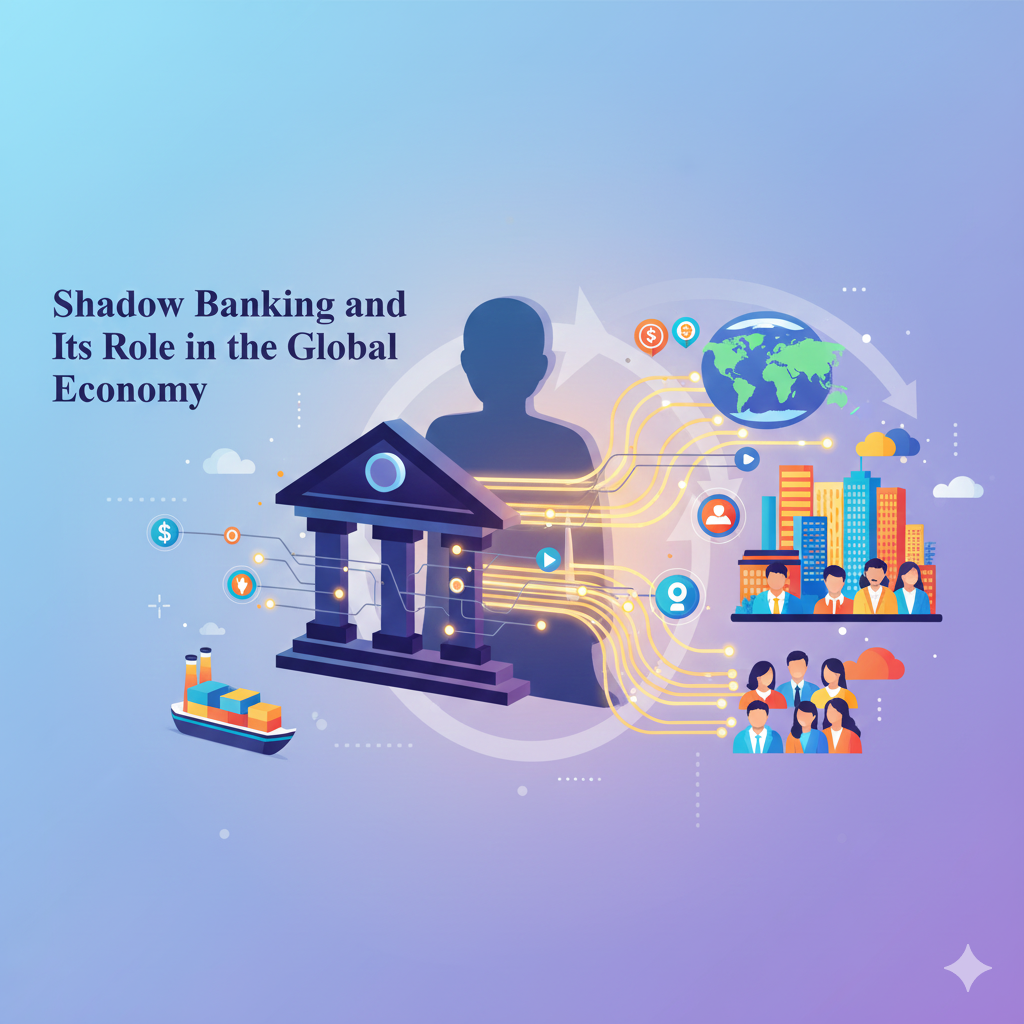
Shadow Banking and Its Role in the Global Economy

The modern financial system is far more complex than just traditional banks accepting deposits and providing loans. Alongside regulated banks, there exists a broad network of financial institutions that perform similar functions but operate outside the traditional banking framework. This system is commonly referred to as shadow banking. Although the name may sound secretive or illegal, shadow banking is a legitimate and important part of today’s global financial system. However, it also brings certain risks that policymakers and regulators closely monitor.

Shadow banking refers to financial activities that involve lending, borrowing, or credit intermediation carried out by non-bank institutions. These institutions do not take deposits in the same way as traditional banks and are not subject to the same level of regulation. Because of this, shadow banking is also known as non-bank financial intermediation or market-based finance. Despite operating outside the conventional banking system, shadow banking entities play a significant role in supplying credit to households, businesses, and governments.

A wide range of institutions are involved in shadow banking. Common examples include investment funds, money market funds, finance companies, hedge funds, and special purpose entities. These organizations typically raise money from investors rather than depositors. The funds they collect are then used to purchase financial assets, invest in bonds, or lend money to businesses and governments. In many ways, they act as intermediaries between savers and borrowers, just as traditional banks do, but through different mechanisms.

One of the main reasons shadow banking has grown over time is the increasing demand for credit and investment opportunities. Traditional banks are heavily regulated to ensure stability and protect depositors. While this regulation is necessary, it can sometimes limit the amount of lending banks can provide. Shadow banking helps fill this gap by offering alternative sources of finance. For businesses, especially large corporations, shadow banking can provide access to funding through bond markets or investment funds rather than bank loans. This diversification reduces reliance on traditional banks and supports economic growth.

Shadow banking also benefits investors by offering a wider range of investment choices. Investment funds and money market funds allow individuals and institutions to earn returns by investing in financial markets. These funds pool money from many investors and allocate it across various assets, spreading risk and increasing efficiency. For investors seeking higher returns or more flexibility than traditional bank savings accounts, shadow banking products can be attractive.

Another advantage of shadow banking is innovation. Because these institutions are not bound by the same regulatory constraints as banks, they often develop new financial products and services more quickly. This innovation can improve market efficiency and provide customized financial solutions for different types of borrowers and investors. In this sense, shadow banking contributes to a more dynamic and competitive financial system.

However, despite its benefits, shadow banking also presents important risks. One of the key concerns is that shadow banking entities are generally less regulated than traditional banks. This lighter regulatory framework can encourage higher levels of risk-taking. For example, some shadow banking institutions rely heavily on short-term funding while investing in longer-term assets. This mismatch can create liquidity problems if investors suddenly withdraw their money, leading to financial stress.

Another risk associated with shadow banking is excessive credit growth. Because these institutions operate outside traditional banking regulations, they may expand lending rapidly during periods of economic growth. While this can boost economic activity in the short term, it may also lead to asset bubbles and unsustainable debt levels. When economic conditions worsen, high levels of debt can amplify losses and contribute to financial instability.

The global financial crisis of 2008 highlighted many of the dangers linked to shadow banking. During the crisis, certain non-bank financial institutions faced severe liquidity shortages, which quickly spread stress throughout the financial system. This demonstrated how interconnected shadow banking is with traditional banks and financial markets. Problems in one part of the system can easily affect others, even if institutions are not officially classified as banks.https://tradecafe.in/spot-forex-explained-a-complete-guide-to-how-it-work/

Because of these risks, regulators closely monitor shadow banking activities. In Ireland and across the European Union, many shadow banking entities are subject to regulation. Investment funds, money market funds, and finance companies must comply with rules designed to protect investors and reduce systemic risk. These regulations focus on areas such as transparency, liquidity management, and reporting requirements. While they may not be as strict as banking regulations, they play an important role in maintaining financial stability.

Some shadow banking entities, such as special purpose entities, are not regulated as a specific sector. However, they are required to provide detailed information about their activities. This reporting helps regulators understand how funds move through the financial system and identify potential risks. Monitoring rather than direct regulation allows authorities to keep track of developments without stifling innovation or market efficiency.

An important challenge for regulators is finding the right balance between oversight and flexibility. Over-regulating shadow banking could reduce the availability of credit and limit financial innovation. On the other hand, insufficient regulation could allow risks to build up unnoticed. For this reason, policymakers focus on improving transparency, data collection, and risk assessment rather than applying one-size-fits-all rules.

From a consumer perspective, it is also important to understand how shadow banking differs from traditional banking. Unlike bank deposits, investments in shadow banking products are generally not protected by deposit guarantee schemes. This means investors may face losses if the value of their investments falls. As a result, individuals should carefully consider the risks involved and seek appropriate information before investing in non-bank financial products.

Looking ahead, shadow banking is likely to remain an important part of the financial system. As economies grow and financial markets become more complex, the demand for alternative sources of finance will continue. Advances in technology and financial innovation may further expand the role of non-bank institutions. However, this growth will need to be accompanied by effective monitoring and risk management to prevent instability.

In conclusion, shadow banking refers to a broad range of non-bank financial activities that provide credit and investment opportunities outside the traditional banking system. It plays a valuable role by supporting economic growth, increasing access to finance, and promoting innovation. At the same time, its less regulated nature introduces risks related to liquidity, excessive lending, and financial instability. Through careful oversight, transparency, and responsible management, shadow banking can continue to contribute positively to the financial system while minimizing potential dangers.

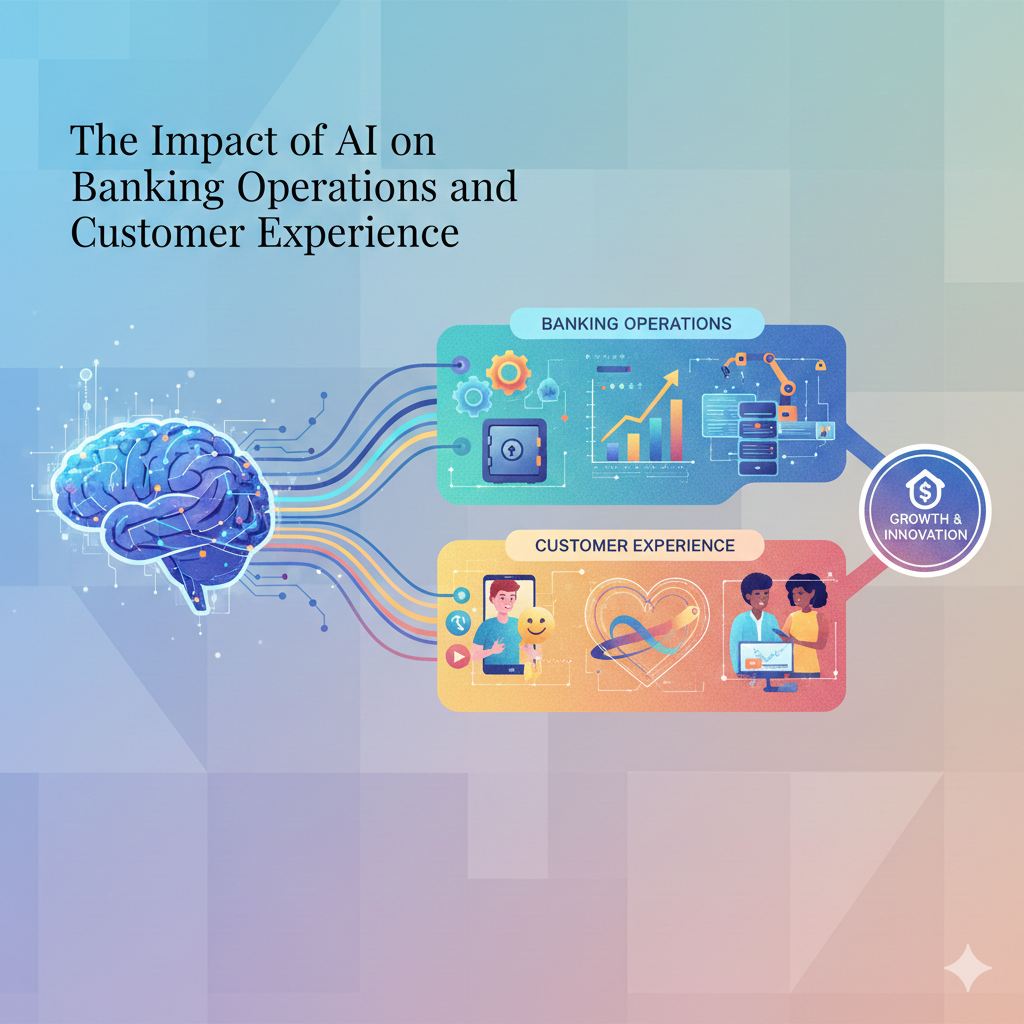
The Impact of AI on Banking Operations and Customer Experience

Artificial Intelligence (AI) has become a transformative force in the banking industry, reshaping how financial institutions operate, interact with customers, and manage risk. What was once considered an experimental technology is now a core part of banking strategies worldwide. As customer expectations rise and competition from fintech companies increases, banks are increasingly relying on AI to remain efficient, secure, and competitive. From improving customer service to strengthening fraud detection and enabling smarter decision-making, AI is redefining modern banking in meaningful ways.

One of the most significant reasons AI has become essential in banking is its ability to enhance customer experience. Today’s customers expect fast, personalized, and seamless banking services across digital platforms. AI-powered tools such as chatbots and virtual assistants allow banks to provide 24/7 customer support, answering common questions, resolving issues, and guiding users through transactions without long wait times. These systems can understand natural language, learn from previous interactions, and deliver increasingly accurate responses. As a result, customers receive quicker service, while banks reduce operational costs and free up human employees to focus on more complex tasks.

Beyond customer service, AI plays a crucial role in driving digital transformation within banks. Many traditional banks operate on legacy systems that are slow and inefficient. AI helps modernize these systems by automating processes, improving data analysis, and enabling real-time decision-making. Through AI-driven insights, banks can better understand customer behavior, predict needs, and offer tailored products such as personalized loans, savings plans, or investment advice. This level of personalization not only improves customer satisfaction but also strengthens long-term customer relationships and loyalty.

AI’s impact is especially powerful when combined with automation technologies. Robotic Process Automation (RPA) has long been used in banking to handle repetitive, rule-based tasks such as data entry or account reconciliation. When AI is added to automation, systems become more intelligent and capable of handling complex workflows. For example, an AI-enabled system can process a loan application by reviewing documents, assessing credit risk, detecting inconsistencies, and making recommendations—often with minimal human intervention. This speeds up approval times, reduces errors, and improves overall efficiency. Such intelligent automation allows banks to scale operations without significantly increasing costs.

Risk management is another area where AI has proven invaluable. Banks handle massive amounts of sensitive financial data and are constantly exposed to risks such as fraud, cyberattacks, and credit defaults. AI systems excel at analyzing large datasets to identify patterns that humans might miss. In fraud detection, AI models monitor transactions in real time, flagging suspicious activity based on unusual behavior or deviations from normal patterns. These systems can adapt quickly to new fraud tactics, making them far more effective than traditional rule-based approaches. As digital transactions continue to grow, AI-driven fraud prevention has become essential for protecting both banks and customers.

Credit scoring and lending decisions have also been significantly improved through AI. Traditional credit assessment methods often rely on limited data and rigid criteria, which can exclude certain individuals or small businesses. AI enables banks to analyze a wider range of data points, including transaction history and behavioral patterns, to assess creditworthiness more accurately. This leads to better lending decisions, reduced default rates, and increased financial inclusion. By using AI responsibly, banks can expand access to credit while maintaining strong risk controls.

In addition to operational and risk-related benefits, AI supports strategic decision-making in banking. Banks generate enormous volumes of data every day, but data alone has little value without meaningful insights. AI-powered analytics tools help banks transform raw data into actionable intelligence. These insights support better forecasting, portfolio management, and strategic planning. For example, AI can predict market trends, identify profitable customer segments, or recommend adjustments to investment strategies. This data-driven approach enables banks to respond more effectively to changing market conditions.

However, implementing AI in banking is not without challenges. One of the most important considerations is governance. Banks operate in a highly regulated environment, and the use of AI raises concerns related to transparency, fairness, data privacy, and accountability. Poorly designed AI systems can unintentionally introduce bias into decisions such as lending or hiring. To address these risks, banks must establish strong governance frameworks that ensure AI models are ethical, explainable, and compliant with regulations. Clear policies, regular audits, and human oversight are essential to building trust in AI systems.

Data governance is equally critical. AI systems rely on high-quality data to function effectively. Inconsistent, incomplete, or biased data can lead to inaccurate outcomes. Banks must invest in data management practices that ensure data accuracy, security, and privacy. This includes protecting customer information from cyber threats and ensuring compliance with data protection laws. As data becomes increasingly central to banking operations, strong data governance is a foundational requirement for successful AI adoption.

Another key aspect of AI implementation is workforce transformation. While AI automates many tasks, it does not eliminate the need for human expertise. Instead, it changes the nature of work. Employees must develop new skills to work alongside AI systems, interpret AI-generated insights, and make informed decisions. Banks that invest in reskilling and upskilling their workforce are better positioned to realize the full value of AI. By combining human judgment with machine intelligence, banks can achieve better outcomes than either could alone.

Looking to the future, AI opens the door to new opportunities for innovation and growth in banking. Emerging models such as embedded finance allow banking services to be integrated directly into non-financial platforms, such as retail or travel apps. AI enables these services by supporting real-time credit decisions, fraud checks, and personalized offers. Additionally, predictive analytics powered by AI helps banks anticipate customer needs and proactively offer solutions, creating a more seamless and intuitive banking experience.

AI also supports sustainable growth by improving efficiency and reducing waste. Automated processes consume fewer resources, while improved risk management minimizes financial losses. Over time, these efficiencies contribute to stronger financial performance and greater resilience. As technology continues to evolve, banks that embrace AI responsibly will be better equipped to adapt to future challenges and opportunities.

In conclusion, Artificial Intelligence has become a fundamental pillar of modern banking. It enhances customer experience, drives digital transformation, improves risk management, and supports smarter decision-making. While challenges related to governance, ethics, and workforce readiness remain, these can be addressed through thoughtful strategy and responsible implementation. Banks that successfully integrate AI into their operations are not only improving efficiency but also redefining what banking looks like in the digital age. As AI continues to advance, its role in shaping the future of banking will only grow stronger.

Spot Forex Explained: A Complete Guide to How It Works

Foreign exchange, or forex, is the world’s largest and most liquid financial market. Trillions of dollars’ worth of currencies move across the global economy every single day. While there are several ways to participate in this market, one of the most common and straightforward methods is spot forex trading. For many traders—especially beginners—the term “spot forex” might sound technical, but the concept is simple: it’s the buying and selling of currencies at the current market price, with immediate settlement.

To better understand how spot forex works, why it’s so popular, and what makes it different from other types of currency trading, we need to break down its mechanics and explore the practical details behind every trade. This 1100-word guide explains spot forex in a clear, human-written way without jargon or unnecessary complexity.


What Is Spot Forex?

Spot forex refers to the exchange of one currency for another at the current market price, also known as the spot price. The term “on the spot” literally means the transaction is executed immediately—or at least as close to immediate as possible in modern electronic markets.

In practice, spot forex does not mean physical currency is exchanged between traders. Instead, positions are opened and closed electronically through trading platforms, with profits or losses reflected instantly in your account. The “settlement” is more of a pricing mechanism than a physical exchange.

This form of trading is the foundation of the forex market and is used by retail traders, institutions, banks, and corporations worldwide.


Currency Pairs: The Foundation of Every Trade

A defining characteristic of forex trading is that you never buy or sell a currency in isolation. Every trade involves a pair, such as EUR/USD, GBP/JPY, or AUD/CAD. The structure of these pairs is essential to understanding how spot forex works.

Each pair contains:

  • A base currency (the first listed)
  • A quote currency (the second listed)

For example, in EUR/USD:

  • EUR is the base
  • USD is the quote

If EUR/USD is trading at 1.10, that means 1 euro is worth 1.10 U.S. dollars.

When you open a trade:

  • You buy the pair if you expect the base currency to strengthen.
  • You sell the pair if you expect the quote currency to strengthen.

This dual structure is what makes forex unique. You are always betting on the relative strength of one currency against another, rather than simply predicting whether a single asset will rise or fall.


Going Long and Going Short

One of the major advantages of spot forex is the ease of opening long or short positions.

Going long (buying)

You buy a currency pair when you think the base currency will increase in value relative to the quote currency.
Example: Buying EUR/USD means you believe the euro will strengthen against the U.S. dollar.

Going short (selling)

You sell a currency pair when you expect the base currency to weaken.
Example: Selling GBP/JPY means you expect the British pound to fall compared to the Japanese yen.

The ability to trade in both directions without restrictions is one reason forex appeals to traders who want flexibility in different market conditions.


Why Spot Forex Is Popular: Low Spreads and High Liquidity

Spot forex markets are extremely liquid, especially in major pairs like EUR/USD, USD/JPY, or GBP/USD. High liquidity generally leads to:

  • Tighter spreads (the small difference between buy and sell prices)
  • More efficient price movement
  • Faster order execution

For active traders, especially scalpers and day traders, tight spreads are crucial because they lower the cost of entering and exiting positions. This is why the spot market is often favored over other forex products like forwards or long-dated currency contracts, which usually have wider spreads and less liquidity.

However, traders holding positions overnight should be aware that spot forex often incurs funding charges, sometimes called swap fees or overnight financing. These fees reflect the interest rate difference between the two currencies being traded.


Trading Hours and Market Accessibility

Another defining feature of spot forex is its near-continuous trading hours. The forex market operates across global financial centers—from Sydney and Tokyo to London and New York—allowing traders to participate almost anytime.

Typical spot forex trading hours:

  • Opens: Sunday evening (UK time)
  • Closes: Friday night (UK time)

This makes forex one of the most accessible markets in the world. Even people with full-time jobs can participate outside of traditional business hours.

In recent years, some brokers have also introduced weekend trading for selected currency pairs, offering even more flexibility for those who want continuous market access.


A Broad Range of Currency Pairs

Spot forex markets offer an extensive variety of currency pairs. Traders can choose from:

Major pairs

These include the most heavily traded currencies in the world, such as USD, EUR, GBP, JPY, CAD, AUD, and CHF.
Examples: EUR/USD, GBP/USD, USD/JPY.

Minor pairs

Pairs that don’t involve the U.S. dollar.
Examples: EUR/GBP, AUD/NZD, EUR/JPY.

Emerging-market pairs

These involve currencies from developing economies.
Examples: USD/TRY, USD/ZAR, EUR/MXN.

Exotic pairs

Low-liquidity pairs that combine a major currency with a less liquid currency.
Examples: GBP/PLN, USD/SEK.

The wide selection allows traders to find pairs that fit their strategy, volatility preference, and market knowledge.


Spot Forex and Leverage

Most retail spot forex trading is done using leverage, often through CFD (Contract for Difference) accounts. Leverage allows traders to control a larger position with a smaller amount of capital.

For example, with 30:1 leverage, a $1,000 deposit could control a $30,000 position.

While leverage increases profit potential, it also magnifies losses. This is why risk management—such as using stop-loss orders and calculating position sizes—is essential in forex.


Why Traders Choose Spot Forex

The popularity of spot forex can be attributed to several advantages:

  • Low trading costs thanks to tight spreads
  • High liquidity, especially in major currency pairs
  • Ability to trade 24 hours a day
  • Flexibility to go long or short
  • Access to numerous currency pairs
  • Low capital requirements because of leverage

This combination makes spot forex attractive for beginners, experienced traders, and institutional participants alike.


Conclusion: The Appeal and Simplicity of Spot Forex

Spot forex trading is one of the most direct and widely used ways to participate in the global currency market. Its structure—buying one currency while selling another at the current market price—provides a straightforward entry point for traders who want simplicity, liquidity, and flexibility.

By understanding how currency pairs work, what it means to go long or short, how spreads affect trading costs, and the impact of overnight funding charges, traders can navigate the spot forex market more confidently. With nearly round-the-clock trading hours and access to dozens of currency pairs, spot forex offers unparalleled accessibility and opportunity.