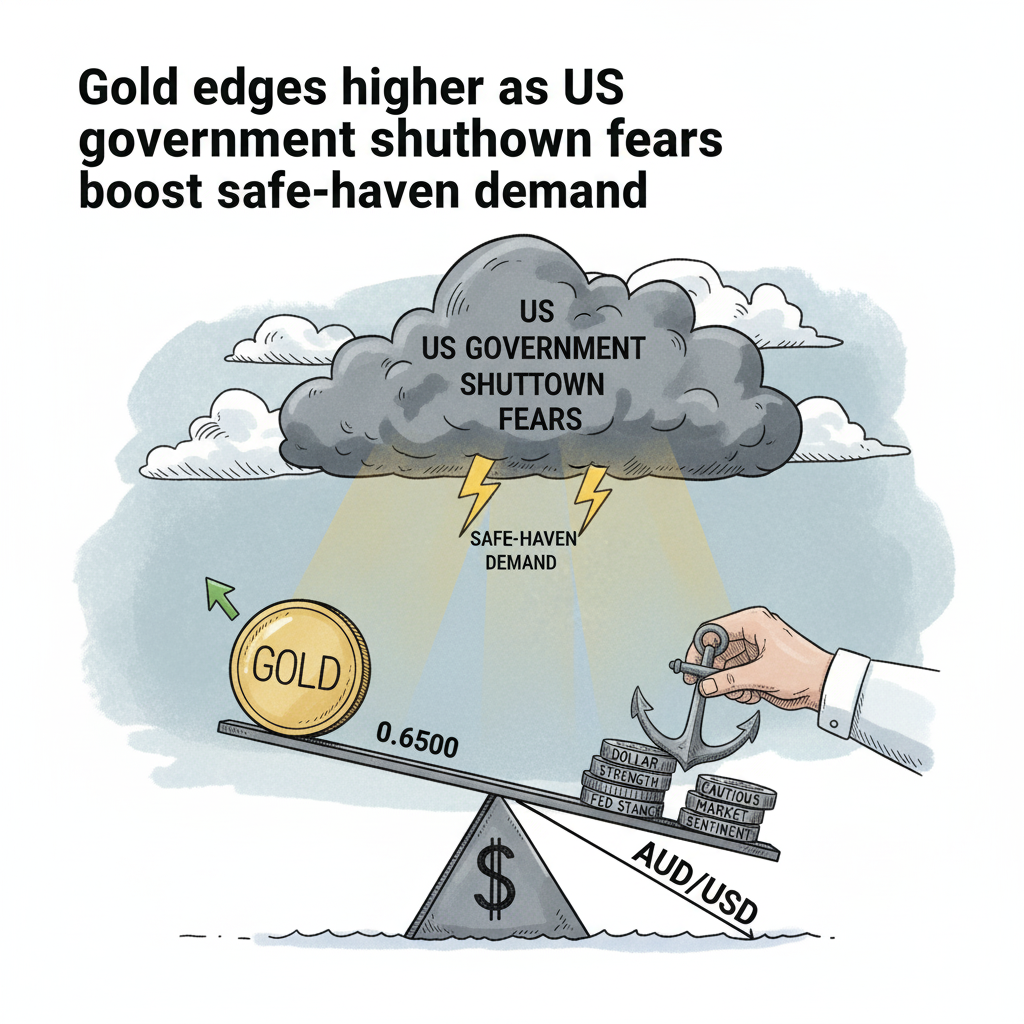
Gold Drifts Higher as US Government Shutdown Fuels Safe-Haven Demand

Gold prices have gained modestly this week, drawing strength from escalating fears over the ongoing US government shutdown and a clouded global economic outlook. The yellow metal, often viewed as a refuge during uncertainty, is once again living up to its reputation. As an investor or trader, understanding the dynamics behind this move is essential, especially when safe-haven demand clashes with the weight of a strong US dollar and shifting central bank expectations

A Perfect Storm for Safe-Haven Buying

The ongoing US government shutdown has entered its sixth week, marking one of the longest in modern history. This prolonged deadlock is not merely a political headline—it has real economic implications. Key government functions are halted, public sector employees remain unpaid, and fiscal policy uncertainty is rattling investor confidence.

When political risk increases and the economy faces potential paralysis, investors instinctively pivot toward assets perceived as safe and stable. Historically, gold has served as a hedge against political dysfunction, currency volatility, and inflationary risks. In this case, as the US government struggles to reach a funding resolution, gold’s attractiveness has naturally strengthened.

The recent rally in gold is less about explosive upward momentum and more about steady, defensive positioning. Institutional traders and fund managers are rebalancing portfolios, trimming riskier assets, and adding exposure to gold as a strategic hedge.

Dollar Strength Keeps the Lid on Gold’s Gains

However, the picture isn’t entirely golden. The US dollar remains robust, bolstered by resilient economic data and fading expectations for near-term interest rate cuts by the Federal Reserve. A strong dollar typically acts as a headwind for gold, since the metal is priced in dollars—making it more expensive for foreign buyers.

This creates a tug-of-war scenario: safe-haven demand supports gold, but the dollar’s strength limits the upside. For the moment, traders appear content to keep gold within a relatively tight range, waiting for either a resolution in Washington or a decisive shift in US macroeconomic indicators.

The Fed Factor: Inflation, Rates, and Policy Outlook

Another crucial element influencing gold’s price is the Federal Reserve’s stance on monetary policy. Markets have gradually priced out aggressive rate cuts in the near term, as inflation remains sticky and economic data continues to show surprising resilience.

Still, if the government shutdown drags on and consumer or business confidence begins to weaken, the Fed could face renewed pressure to act. A pivot in tone or a hint of easing would almost certainly fuel a stronger gold rally, as lower interest rates typically weaken the dollar and reduce the opportunity cost of holding non-yielding assets like gold.

Investors are now turning their attention to two upcoming pieces of data — the ADP private payroll report and the ISM Services PMI — both of which could offer clues about the Fed’s next move. A softer-than-expected reading could trigger a decline in Treasury yields and renew buying interest in gold.

Technical Landscape: Range-Bound but Constructive

From a technical perspective, gold’s chart presents an interesting setup. The metal is currently trading comfortably above its 100-day Exponential Moving Average (EMA) — a bullish long-term indicator suggesting that overall momentum remains upward.

Immediate resistance lies around the $4,000 per ounce level, a psychological barrier and a key pivot zone that traders are closely monitoring. On the downside, support sits near $3,835, with deeper retracement potential toward $3,722 if risk sentiment suddenly improves or the dollar extends its rally.

Momentum indicators such as the Relative Strength Index (RSI) suggest a neutral stance, reflecting neither overbought nor oversold conditions. This supports the view that gold is consolidating, building a base for its next major move.

Investor Sentiment: Defensive Yet Cautious

Market sentiment toward gold has turned cautiously optimistic. Hedge funds have marginally increased their long positions in gold futures, while ETF holdings — a proxy for institutional demand — have shown signs of stabilization after months of outflows.

Retail investors, too, are showing renewed interest. Many see this phase as a potential buy-on-dips opportunity, especially given the global backdrop of geopolitical uncertainty, uneven growth, and fiscal strain in major economies.

However, seasoned traders are wary of chasing prices higher in the short term. Until the US shutdown situation evolves or the Fed signals a clear shift, gold is likely to remain range-bound, oscillating between $3,800 and $4,000.

Global Backdrop Adds to the Mix

Beyond the US, several global factors are lending quiet support to gold. Europe continues to battle sluggish growth, while China’s recovery remains uneven despite policy easing. These crosscurrents reinforce gold’s role as a global stabilizer in uncertain times.

Meanwhile, central banks, particularly in emerging markets, have continued their steady accumulation of gold reserves. This long-term strategic trend underscores a broader shift away from excessive dollar dependence — a narrative that adds another layer of structural support for gold’s long-term value.

Outlook: Gold’s Next Move Hinges on Policy and Politics

So where does gold go from here? The short answer: it depends largely on Washington and the Federal Reserve.

If the US government shutdown persists and political negotiations deteriorate further, safe-haven inflows are likely to intensify, pushing gold toward the $4,000 mark and potentially beyond. Conversely, if a deal is struck soon and markets regain confidence, gold may see a modest pullback as traders rotate back into risk assets.

In the medium term, much will also depend on whether the Fed adopts a more dovish tone heading into early 2026. Any suggestion of rate cuts or even a slower pace of balance-sheet tightening could ignite the next leg higher in gold.

For now, the outlook remains cautiously bullish. As long as uncertainty looms over fiscal policy and central bank direction, gold is likely to retain its shine as the ultimate store of value and portfolio insurance.

Final Thoughts

In times like these, gold’s enduring appeal as a hedge against instability is once again on full display. For traders, patience and disciplined risk management are key. The $3,800–$4,000 range offers both opportunities and traps, depending on how quickly the next macro catalyst unfolds.

While short-term volatility may persist, the broader narrative favors gold’s strength as an anchor in turbulent markets. Whether you’re a seasoned investor or a cautious observer, the current environment reinforces a timeless truth: when uncertainty rises, gold glitters brightest.
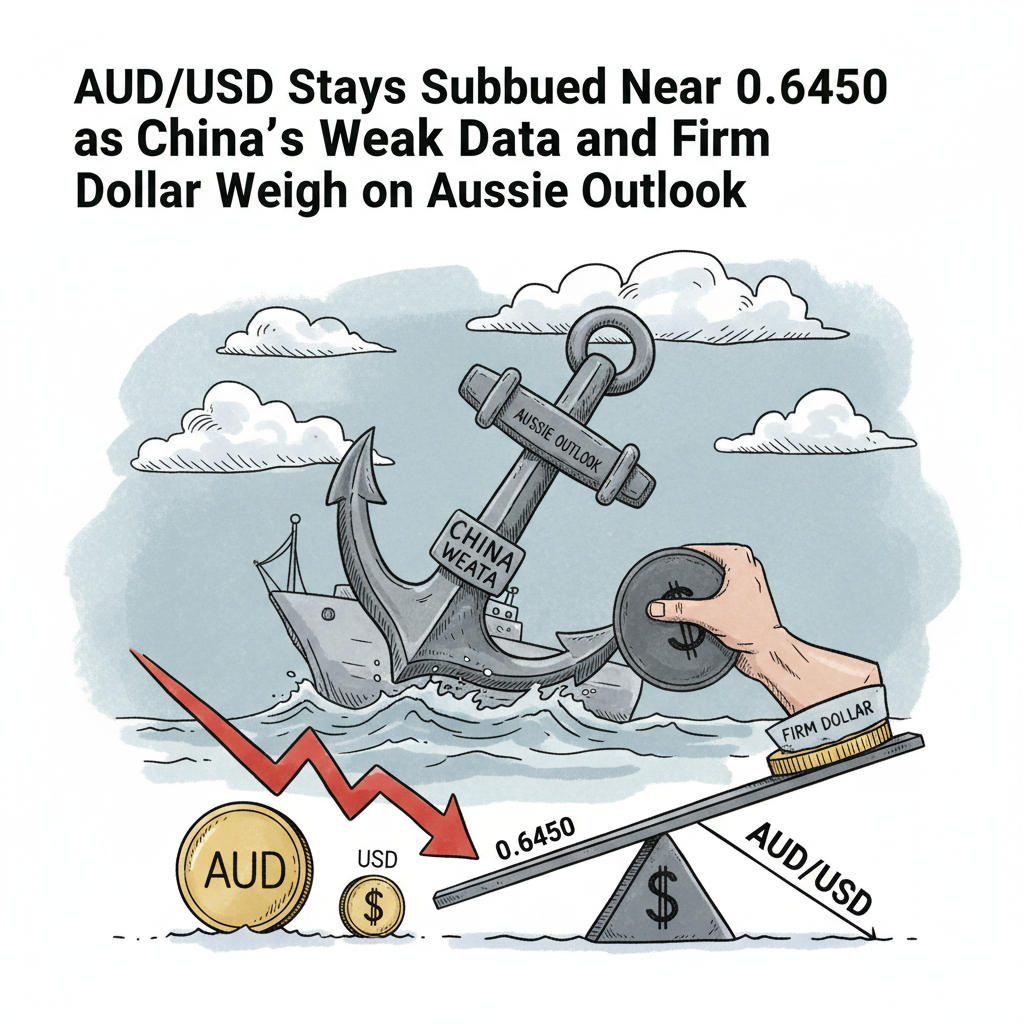
AUD/USD Stays Subdued Near 0.6450 as China’s Weak Data and Firm Dollar Weigh on Aussie Outlook

The Australian dollar is treading water once again. On Tuesday, the AUD/USD pair hovered near 0.6450, failing to find direction amid weaker Chinese economic data and persistent strength in the US dollar. Despite intermittent attempts by bulls to push the pair higher, the overall tone remains cautious. For traders and investors, this price action highlights a growing theme: the Australian dollar’s struggle against both global and domestic headwinds.


China’s Weak PMI Data Sparks Concern

The latest data out of China showed another dip in manufacturing activity, sending ripples through commodity-linked currencies such as the Aussie. China’s private-sector PMI reading slipped below expectations, underscoring a softening economic recovery in the world’s second-largest economy.

For Australia, this is particularly significant. China is its largest trading partner, absorbing a vast portion of Australia’s iron ore, coal, and LNG exports. Any slowdown in Chinese industrial activity directly dampens demand for these key commodities — a trend that translates quickly into pressure on the Australian dollar.

Investors are increasingly cautious about how Beijing plans to respond. While there have been pockets of stimulus, including support for housing and local government financing, markets remain skeptical about the sustainability of China’s recovery. This uncertainty has made risk-sensitive currencies like the Aussie less appealing in recent sessions.


US Dollar Strength Keeps Pressure Intact

On the other side of the equation, the US dollar continues to exhibit strength. The greenback’s resilience stems from the Federal Reserve’s cautious stance on rate cuts. Recent US data, including job openings and services activity, have indicated that the American economy remains relatively strong, reducing the urgency for monetary easing.

Fed officials have repeatedly signaled that while inflation is trending lower, it’s not yet at levels consistent with long-term stability. That message has pushed Treasury yields higher and reinforced the dollar’s appeal as a safe-haven currency.

For AUD/USD, this combination of a strong dollar and weak Chinese momentum has created a squeeze. The pair’s inability to break convincingly above 0.6500 in recent weeks suggests that traders are reluctant to build long positions until there’s clearer direction on either global growth or central bank policy.


Domestic Factors: RBA’s Balancing Act

The Reserve Bank of Australia (RBA) is walking a fine line. With inflation showing signs of moderation but still above target, the central bank faces a delicate balancing act. Markets largely expect the RBA to maintain its current policy stance, holding rates steady in the near term.

The challenge lies in Australia’s domestic economy, which has shown resilience but also hints of fatigue. Consumer spending remains constrained due to high mortgage rates, while wage growth is steady but not strong enough to offset cost-of-living pressures.

This dynamic makes the RBA’s future path somewhat uncertain. On one hand, policymakers don’t want to loosen too early and reignite inflation. On the other, keeping policy too tight for too long could further slow growth. Until there’s clarity on this front, the Aussie dollar may continue to trade range-bound, reacting primarily to external cues.


Technical Outlook: Stuck Between 0.6400 and 0.6700

From a technical standpoint, the AUD/USD pair is consolidating within a narrow range, roughly between 0.6400 and 0.6700. This pattern suggests indecision among traders.

The 0.6400 zone remains a key support level, with buyers stepping in to defend the threshold during previous dips. A sustained move below this level could open the door to further weakness toward 0.6350 or even 0.6300. Conversely, a break above 0.6500 would be the first sign of renewed bullish interest, but momentum is likely to stall near 0.6700 unless broader risk appetite improves.

Momentum indicators such as the Relative Strength Index (RSI) remain neutral, confirming the lack of strong conviction in either direction. Traders appear content to await catalysts — likely in the form of upcoming US data releases or signals from Chinese policymakers.


Commodities and Risk Sentiment Drive the Narrative

The Australian dollar’s performance has always been closely linked to global risk sentiment and commodity prices. When investors feel optimistic about global growth, the Aussie tends to benefit as funds flow toward higher-yielding assets. Conversely, when uncertainty rises, the currency often retreats as investors flock to the safety of the US dollar and US Treasuries.

Currently, risk appetite is subdued. Commodity markets remain mixed — iron ore has seen some recovery, but concerns about Chinese demand persist. Energy prices have softened, while gold’s recent rally has not significantly helped the AUD, given its limited correlation compared to other commodity exporters.

Until there’s a meaningful improvement in global demand indicators, the Aussie dollar may struggle to gain traction, even in the face of short-term dollar pullbacks.


What Traders Should Watch Next

The next few days could prove pivotal for the AUD/USD pair. Investors will be closely watching a series of US data releases, particularly labor market figures and ISM services numbers. Strong US data could reinforce expectations of a “higher-for-longer” Fed policy stance, which would likely strengthen the dollar further and pressure the Aussie.

Meanwhile, developments in China remain central to the outlook. Any sign of policy stimulus, infrastructure spending, or support for the property sector could lift sentiment toward commodity currencies. Similarly, upbeat trade or industrial data from China could inject some life into the Australian dollar.

On the domestic front, comments from RBA officials and local inflation readings will help shape expectations for the December and early 2026 policy meetings. Traders should keep an eye on wage data and retail sales figures as potential signals of the economy’s underlying health.


Investor Takeaway: Patience Is Key

For investors and traders alike, the current environment calls for patience. The AUD/USD remains trapped between competing forces — a firm dollar and a fragile Chinese recovery on one side, and cautious optimism about the RBA’s policy stance on the other.

Short-term volatility will likely remain muted unless major surprises emerge from either China’s economic releases or US inflation figures. For longer-term investors, any dips toward 0.6400 may present gradual accumulation opportunities, particularly if the global growth narrative starts to stabilize in early 2026.

However, without a clear improvement in risk sentiment or a decisive policy shift from either central bank, the Aussie’s upside looks limited. Traders should continue to monitor technical levels, global risk flows, and commodity market trends to navigate this complex landscape effectively.


Conclusion

In essence, the AUD/USD’s subdued tone near 0.6450 reflects the broader global picture — one of uncertainty, caution, and crosscurrents between economic data and central bank communication.

Until stronger catalysts emerge, the Australian dollar is likely to remain in consolidation mode, mirroring investors’ broader hesitation about global growth and monetary policy paths. For now, the story remains one of restraint rather than resurgence.

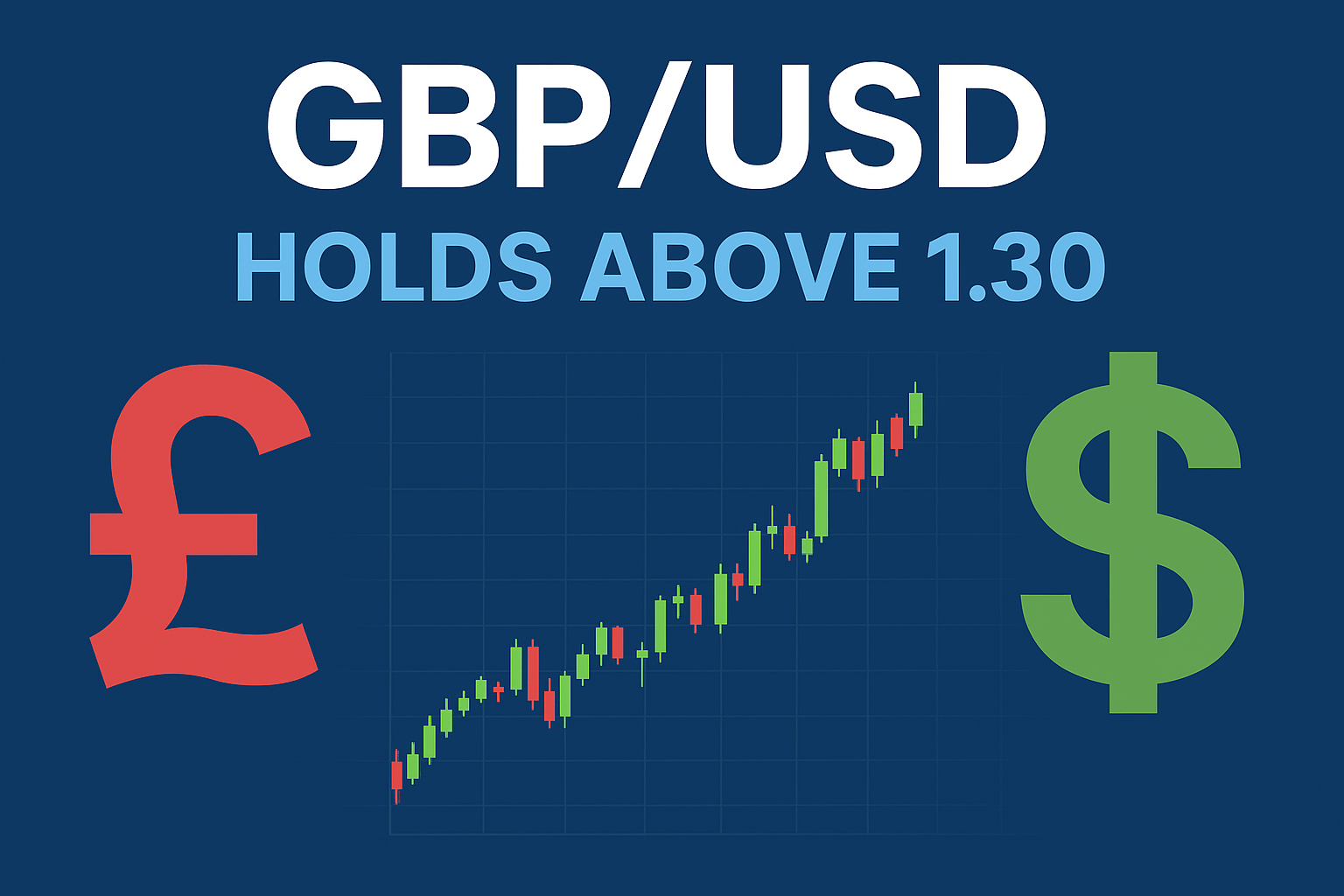
GBP/USD Holds Steady Above 1.30 as Traders Eye US Payroll Data and UK Fiscal Outlook

The British pound continues to tread cautiously higher, with GBP/USD hovering around the 1.3025 level in Wednesday’s early European session. The move reflects a modest gain against the US dollar — but beneath the surface lies a complex web of fiscal policy shifts, interest rate expectations, and global risk sentiment.

For investors, the pound’s resilience is both intriguing and fragile. While softer US dollar momentum has helped sterling stay afloat, upcoming US private payroll data and fiscal developments in the UK could determine whether this stability continues or quickly unravels.


Pound Gains on Dollar Weakness — But the Rally Lacks Conviction

The pound’s latest uptick isn’t driven by domestic strength but rather by a temporary easing in US dollar demand. The greenback, which had rallied for much of the past two months, has started to pull back slightly as traders reprice expectations around the Federal Reserve’s policy path.

Recent Fed commentary has suggested that the US economy, while still resilient, may be approaching a phase of slower growth. Inflation has cooled modestly, and bond yields have pulled back from recent highs, weakening the dollar’s defensive appeal. This provided a brief window for GBP/USD to climb above the psychological 1.30 mark.

However, the move remains tentative. As one London-based FX strategist put it, “The pound isn’t rallying — it’s just catching a breath while the dollar takes a pause.”


The UK’s Domestic Challenges: Fiscal Tightrope and Policy Uncertainty

Domestically, the UK faces its own set of headwinds. Finance Minister Rachel Reeves recently hinted that the government may introduce broad tax increases in the upcoming Autumn Budget, expected later this month.

While such measures are aimed at stabilizing public finances and supporting long-term fiscal sustainability, they also raise concerns about the short-term growth outlook. Higher taxes can constrain consumer spending — already pressured by high borrowing costs — and may further slow business investment.

For currency traders, this adds a layer of uncertainty. A more austere fiscal stance could limit growth, putting pressure on the Bank of England (BoE) to consider easing policy sooner than expected. On the other hand, if fiscal tightening helps control inflation, it could give the BoE more breathing space to maintain a stable rate path.

It’s a delicate balancing act for policymakers, and the pound’s muted reaction reflects this duality — cautious optimism tempered by real economic risks.


The Bank of England’s Dilemma: Hold or Cut?

The BoE currently maintains its key rate at 4.0%, one of the highest among developed economies. The central bank faces a dilemma similar to that of its US counterpart: inflation remains above target, but growth indicators have weakened sharply.

Recent economic data from the UK — including manufacturing and services PMIs — suggest that economic activity is stagnating. Consumer confidence remains low, and housing market activity has softened as mortgage rates remain elevated.

In such an environment, the BoE’s next move is crucial. Most analysts expect the central bank to hold rates steady through the remainder of 2025, but a growing number of market participants now believe the first rate cut could come by the second quarter of 2026, especially if inflation continues to cool.

For now, the BoE is likely to tread cautiously, emphasizing data dependency and flexibility. Investors will be closely monitoring Governor Andrew Bailey’s remarks in upcoming policy meetings for clues on whether the tightening cycle has truly ended.


US Data Looms Large: Payrolls and Services PMI in Focus

Across the Atlantic, all eyes are on the US private payroll report and the ISM Services PMI, both due later this week. These indicators will be pivotal in determining the next direction for the US dollar.

If the data show continued strength in the labour market and services activity, it could reinvigorate dollar demand — pushing GBP/USD back below the 1.30 threshold. Conversely, weaker readings could accelerate speculation about Fed rate cuts in 2026, keeping downward pressure on yields and supporting the pound.

For short-term traders, volatility could spike as the data drop approaches. The pair’s recent consolidation suggests that the market is waiting for a clear catalyst before committing to a sustained move in either direction.


Technical Picture: Bulls Holding Ground, But Resistance Looms

From a technical standpoint, GBP/USD is consolidating above 1.30, a psychologically important level that has acted as both support and resistance throughout the year.

If the pair manages to sustain this level, the next key resistance zones are seen at 1.3075 and 1.3120. A decisive break above these levels could open the door to further gains toward 1.3200.

On the downside, immediate support lies near 1.2975, followed by 1.2900. A break below these could expose the pair to deeper retracement, especially if US data surprise to the upside.

Momentum indicators on daily charts suggest a neutral-to-slightly bullish bias, but volume remains thin — reinforcing the idea that traders are waiting for confirmation from upcoming macro releases.


Investor Outlook: Patience and Positioning Are Key

For investors and forex traders, the message is clear — patience and disciplined positioning will be essential in the coming weeks.

The short-term trend remains range-bound, but medium-term dynamics could shift significantly depending on how both the US and UK handle their respective policy transitions.

  • If the RBNZ turns dovish (and Fed data disappoint), GBP/USD could extend modest gains.
  • If US data remains strong, the greenback could regain its footing, pushing the pair lower.
  • Meanwhile, UK fiscal announcements could inject domestic volatility into sterling markets, particularly if tax policies surprise to the upside.

From an investment perspective, traders should maintain tight risk management and avoid over-leveraging positions. Hedging strategies — such as using options to protect downside exposure — may prove beneficial during this period of uncertainty.


Macro Backdrop: Global Risk Appetite Still Fragile

Beyond domestic and US-specific factors, global sentiment remains a key driver. Equity markets have been mixed, and investors continue to oscillate between optimism over potential rate cuts and fear of an extended slowdown.

The US dollar index (DXY) has pulled back slightly from its recent highs, providing temporary relief to risk-sensitive currencies like the pound, euro, and Australian dollar. However, given geopolitical uncertainties and uneven global growth, any rebound in the dollar could quickly reverse these gains.


Conclusion: A Moment of Pause Before the Next Big Move

The current GBP/USD setup reflects a market in transition, not yet convinced about the next big directional move. The pound’s modest gains above 1.30 are a sign of stability, but not necessarily strength.

The combination of UK fiscal tightening, BoE caution, and upcoming US data creates an environment where traders must remain alert, flexible, and patient.

In essence, the currency pair’s future will hinge on how both sides of the Atlantic balance growth with inflation control. For now, the pound enjoys a brief respite — but the real test lies just ahead, as the data-driven tug-of-war between the BoE and Fed unfolds.

For investors, this isn’t the time for aggressive bets but rather a moment to prepare for opportunity — because when clarity returns, the next big move in GBP/USD could be decisive and swift.

New Zealand’s Jobless Rate at Nine-Year High: What It Means for Investors and the Economy

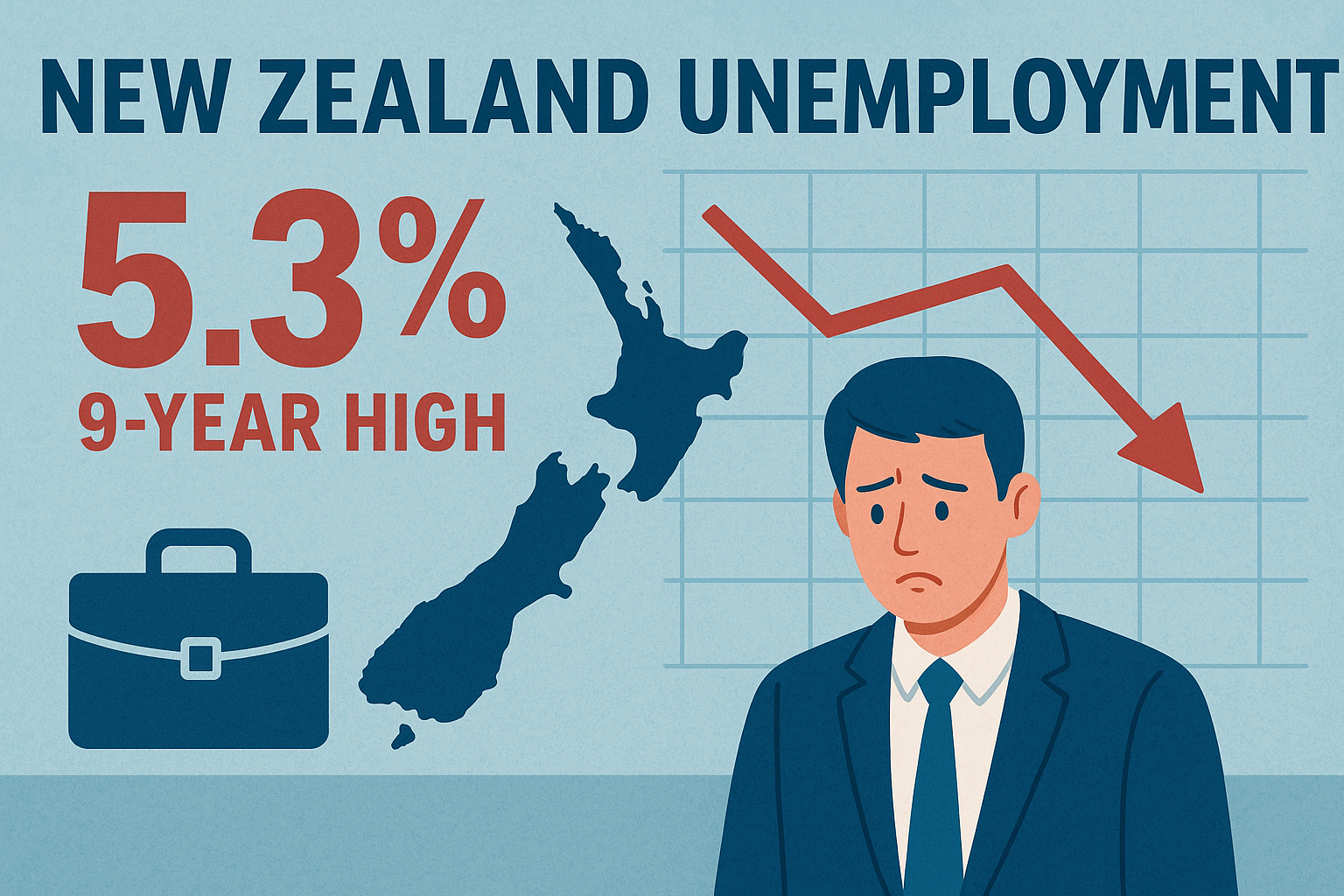
New Zealand’s latest labour-market report has struck a cautious tone across both financial and business circles. The unemployment rate rising to 5.3 percent in the third quarter — the highest since 2016 — isn’t merely a data point; it’s a reflection of deeper structural and cyclical shifts taking place in the New Zealand economy. For investors, this is a critical moment to reassess their exposure, particularly to rate-sensitive sectors such as housing, banking, and consumer discretionary.

A Weak Labour Market Signals Cooling Growth

When an economy slows, employment figures are often the earliest indicators of stress. The latest data confirm this slowdown: job creation has stalled, and employment growth was essentially flat in the September quarter. What this means is that businesses are holding back on new hiring plans, adopting a “wait-and-see” approach amid uncertain demand.

The labour-force participation rate — the proportion of people either employed or actively looking for work — fell to 70.3 percent, a small but significant drop. This subtle decline suggests that some people have stopped looking for jobs altogether, often due to discouragement or caregiving responsibilities in a tightening economic environment.

For New Zealand, which has enjoyed a period of robust employment over the past decade, this reversal is a wake-up call. It underscores that high borrowing costs and weak global demand are finally filtering through to everyday households and businesses.

The Wage Story: Softer Inflationary Pressure Ahead

The wage component of the report is equally telling. Private-sector wage growth slowed to 0.5 percent in the quarter, down from 0.6 percent previously. While modest wage growth may appear discouraging for workers, it’s welcome news for policymakers at the Reserve Bank of New Zealand (RBNZ), which has been battling to bring inflation back to its 1–3 percent target range.

A softer wage environment implies that cost-push inflation — price increases driven by rising wages — is easing. This strengthens the argument for the RBNZ to begin easing its policy stance sooner rather than later. Markets are already pricing in at least one rate cut by early 2026, but the weak jobs data may push that timeline forward.

Why the RBNZ Is Now Under Pressure

The RBNZ has kept its Official Cash Rate (OCR) steady at 5.5 percent since mid-2023, maintaining a tight policy to curb inflation. However, the trade-off has been slower growth, higher mortgage burdens, and now, rising unemployment.

With inflation expectations beginning to moderate and the economy showing increasing signs of slack, the central bank will likely face pressure to act. Investors are already betting that the first rate cut could come as early as November 2025, provided that inflation data continue to trend lower.

For the RBNZ, this presents a delicate balancing act: cut too early, and risk re-igniting inflation; cut too late, and risk a deeper economic downturn. Yet, with a nine-year-high jobless rate, the argument for monetary easing is gaining traction.

Sectoral Pain Points: Construction, Retail, and Services Hit Hardest

Dissecting the data further reveals that the construction sector remains one of the hardest hit. Rising borrowing costs have significantly cooled the housing market, leading to fewer new projects and, consequently, fewer jobs.

Similarly, retail and hospitality — once major employers during New Zealand’s post-pandemic recovery — are seeing softer demand as consumers tighten their belts. Higher interest rates and persistent cost-of-living pressures have dampened discretionary spending.

The services sector, which accounts for a large portion of New Zealand’s GDP, has also slowed as both local and foreign demand weaken. Export-oriented businesses face additional headwinds from a strong New Zealand dollar in recent months, further weighing on competitiveness.

Investor Takeaway: Time to Reposition Portfolios

From a market perspective, the latest labour report is a clear signal that the economy is losing momentum — and that central-bank intervention is becoming more likely. Investors should interpret this as an opportunity to re-evaluate portfolio positioning rather than a reason for panic.

1. Fixed Income Looks Attractive Again
With rate cuts potentially on the horizon, New Zealand government bonds could deliver capital gains as yields decline. Long-duration bonds, which are more sensitive to interest-rate changes, might offer particularly strong returns if the RBNZ pivots dovish.

2. Banks and Financials Face Margin Compression
Lower interest rates will likely squeeze bank net-interest margins. However, a gentler policy environment could also stimulate credit growth later in 2026. Investors should adopt a selective approach, focusing on well-capitalized institutions with diversified revenue streams.

3. Consumer and Housing Sectors Could Rebound
If borrowing costs fall, the housing and retail sectors could see renewed activity. Real-estate investment trusts (REITs) and consumer discretionary stocks might benefit in the medium term, though short-term volatility is expected until the RBNZ provides policy clarity.

4. Exporters May Find Relief in a Weaker Kiwi Dollar
As the market prices in lower interest rates, the New Zealand dollar (NZD) could depreciate, improving competitiveness for exporters. Sectors like dairy, tourism, and manufacturing may gain from a more favourable currency environment.

The Bigger Picture: Structural vs Cyclical Unemployment

It’s important to distinguish between cyclical and structural unemployment. The recent uptick appears largely cyclical — a product of slower growth and tighter monetary conditions — rather than a fundamental mismatch in skills or demographics.

However, there are emerging structural concerns too. New Zealand’s aging population, high net migration, and evolving skill requirements in technology and green industries all suggest that policymakers must focus not just on creating jobs, but on ensuring those jobs align with future demand.

Business Confidence and Market Sentiment

Business sentiment has turned cautious but not outright pessimistic. Many firms are using this period to streamline operations and improve productivity. Labour-market slack could ease wage pressures, helping corporate margins in the medium term.

For equity investors, this presents a mixed picture: earnings growth may stagnate short term, but lower wage costs could provide some offset. Defensive sectors such as utilities and telecommunications may outperform during the adjustment phase.

Looking Ahead: Signs to Watch

Going forward, three indicators will shape investor sentiment:

  1. Quarterly inflation prints — If inflation continues to moderate, the case for rate cuts will strengthen.
  2. Forward-looking business surveys — These will reveal whether companies expect conditions to improve in 2026.
  3. Global demand trends — New Zealand’s economy remains heavily trade-linked, so shifts in China and Australia’s growth outlook will have a direct impact.

If all three show softening momentum, expect markets to start pricing in deeper rate cuts and potentially a weaker NZD.

Final Thoughts

New Zealand’s jobless rate hitting a nine-year high is not a crisis — it’s a recalibration. After years of strong post-pandemic expansion and aggressive monetary tightening, the economy is now adjusting toward a more sustainable path.

For investors, this moment calls for patience, discipline, and diversification. The immediate headlines may appear worrying, but they also open doors to value opportunities in interest-rate-sensitive assets, export-driven sectors, and high-quality equities poised to benefit from a future policy shift.

In essence, the rising unemployment rate is a signal that the economic pendulum is swinging back — from overheating to cooling — and the next phase could reward those who position early for recovery.

Silver Slips as Stronger Dollar and Hawkish Fed Cloud Precious Metal Outlook

The silver market has entered another volatile phase this week, with prices edging lower as a recovering US dollar and a more cautious Federal Reserve stance weighed heavily on investor sentiment. After showing resilience through much of October, silver (XAG/USD) has come under renewed pressure, reminding traders that macroeconomic headwinds remain deeply entrenched.

From a broader lens, silver’s latest retreat reflects a combination of strong dollar momentum, shifting rate expectations, and diminishing safe-haven demand. While the long-term fundamentals for precious metals remain supported by industrial demand and inflation protection, short-term traders now find themselves navigating a market dominated by central-bank signals and bond-yield movements.


Dollar Recovery Pulls the Rug from Under DD

The most immediate driver behind silver’s decline is the rebound in the US Dollar Index (DXY), which has climbed close to the 100 mark. The dollar’s strength has largely been fuelled by fading expectations of aggressive rate cuts from the Federal Reserve and a preference for safety amid uneven global growth.

A stronger dollar typically makes dollar-denominated commodities like silver more expensive for foreign buyers, suppressing demand. Over the last week, traders who had earlier bet on a weaker greenback are now unwinding positions, adding further downside pressure on precious metals.

This relationship is simple yet powerful: when the dollar rallies, silver and gold often struggle to maintain traction, especially when no new inflation shock or geopolitical tension is driving haven flows.


Fed’s Cautious Stance Dampens Precious Metal Sentiment

Federal Reserve Chair Jerome Powell’s recent remarks reinforced the message that the Fed is not ready to rush into rate cuts. Inflation, while easing from 2022 highs, remains sticky in several categories, prompting policymakers to maintain a “wait-and-see” posture.

For precious metals, this translates to a reduction in near-term upside potential. Silver, unlike equities or bonds, offers no yield. Thus, when interest-bearing assets such as Treasury bonds become more attractive, investors tend to rotate away from metals.

In essence, silver’s underperformance is a reflection of monetary tightening’s lingering grip. Even if the Fed isn’t hiking rates further, its refusal to cut soon enough creates an environment where holding silver becomes relatively less appealing.


Bond Yields Add Pressure to Non-Yielding Assets

The rally in US Treasury yields further amplified the downward pressure. As 10-year yields hover near multi-month highs, the opportunity cost of owning non-interest-bearing metals grows. Institutional investors, in particular, often rebalance portfolios toward yield-generating instruments in such conditions.

This dynamic, though well understood by market veterans, continues to play out with intensity. Each incremental rise in yield expectations tends to sap liquidity from metals, creating short-term corrections even when the long-term structural case for silver remains intact.


Industrial Demand Offers a Silver Lining

Despite the current downturn, silver’s role as both a precious and industrial metal provides a cushion against extreme bearishness. Roughly half of global silver demand stems from industrial applications—particularly in solar panels, electric vehicles, and electronics.

The ongoing transition to green energy continues to underpin the long-term demand outlook. Solar photovoltaic (PV) installations, for example, are expected to grow by double digits in 2025, keeping silver consumption elevated. Similarly, the electric-vehicle revolution ensures steady use of silver in batteries, sensors, and control units.

Hence, while traders might view the present weakness as a short-term technical correction, long-term investors often interpret it as a potential accumulation opportunity—especially if prices dip toward key support levels.


Technical Perspective: Cautious Tone Prevails

From a technical standpoint, silver prices are showing signs of fatigue after multiple failed attempts to break resistance near the $27.00 zone. Momentum indicators point to a softening trend, and short-term moving averages are now tilting downward.

Immediate support lies near the $25.20–$25.40 range, a level that has previously acted as a demand zone. If this floor holds, silver could consolidate before making another recovery attempt. However, a decisive break below this range could open the door to deeper corrections toward $24.50 or even $24.00.

On the upside, the $26.50–$27.00 zone remains the first major resistance band, beyond which sentiment could shift more positively. Traders are closely monitoring the relative strength index (RSI), which currently hovers in neutral territory—suggesting that while momentum has cooled, the market isn’t yet oversold.


Market Sentiment: From Fear to Pragmatism

Another subtle yet significant factor shaping silver’s behavior is a change in risk appetite. The start of November saw improved equity market sentiment, following softer geopolitical headlines and better-than-expected corporate earnings in the US.

When risk sentiment improves, investors tend to rotate away from defensive assets such as silver and gold. This rotation has been visible in recent sessions, with exchange-traded funds (ETFs) tracking silver showing mild outflows. Institutional flows data also hint that hedge funds have trimmed long positions in commodities, preferring cyclical plays in equities and energy.

Yet, this shift toward optimism remains fragile. Any resurgence in global tensions or a surprise inflation reading could quickly reignite demand for safe-haven assets.


Global Backdrop: Balancing Growth and Inflation

Globally, central banks are also navigating similar challenges. The European Central Bank, the Bank of England, and the Reserve Bank of Australia have all signaled that rates may stay higher for longer. This collective policy stance amplifies the dollar’s dominance and keeps commodities under check.

For silver, which often tracks inflation expectations and currency fluctuations, this environment limits breakout potential. Still, with inflation not fully tamed worldwide, metals could regain appeal as a hedge once rate-cut discussions re-emerge.


What Investors Should Watch Next

Going forward, silver traders will closely monitor US economic data—especially inflation prints, retail sales, and industrial production numbers. Any sign of cooling inflation could renew expectations for monetary easing, potentially reviving the metal’s prospects.

In parallel, industrial demand indicators from China and Europe will be crucial. Since these regions are major consumers of silver for manufacturing, any rebound in their activity could provide fundamental support even if monetary headwinds persist.

Long-term investors may view dips as strategic entry points, but short-term traders should remain nimble, watching the dollar’s movements and Treasury yield fluctuations as key directional cues.


Conclusion: Short-Term Pain, Long-Term Potential

Silver’s current decline underscores how sensitive the metal remains to shifts in macro sentiment and dollar strength. The Fed’s cautious stance, paired with resilient bond yields, has created a tough backdrop for immediate gains. However, beneath the surface, silver’s dual identity—as both a precious and industrial metal—continues to underpin its strategic value.

In the near term, traders should brace for consolidation or mild downside as markets digest central-bank signals. But for patient investors who see beyond short-term volatility, silver’s role in the global energy transition and its long-term inflation-hedge appeal remain compelling.

In short, silver may be losing some shine today—but its luster is far from fading.

RBA Governor Michele Bullock Says Rate Cuts Not Considered — Inflation Still Too High

RBA Governor Michele Bullock Says Rate Cuts Not Considered — Inflation Still Too High

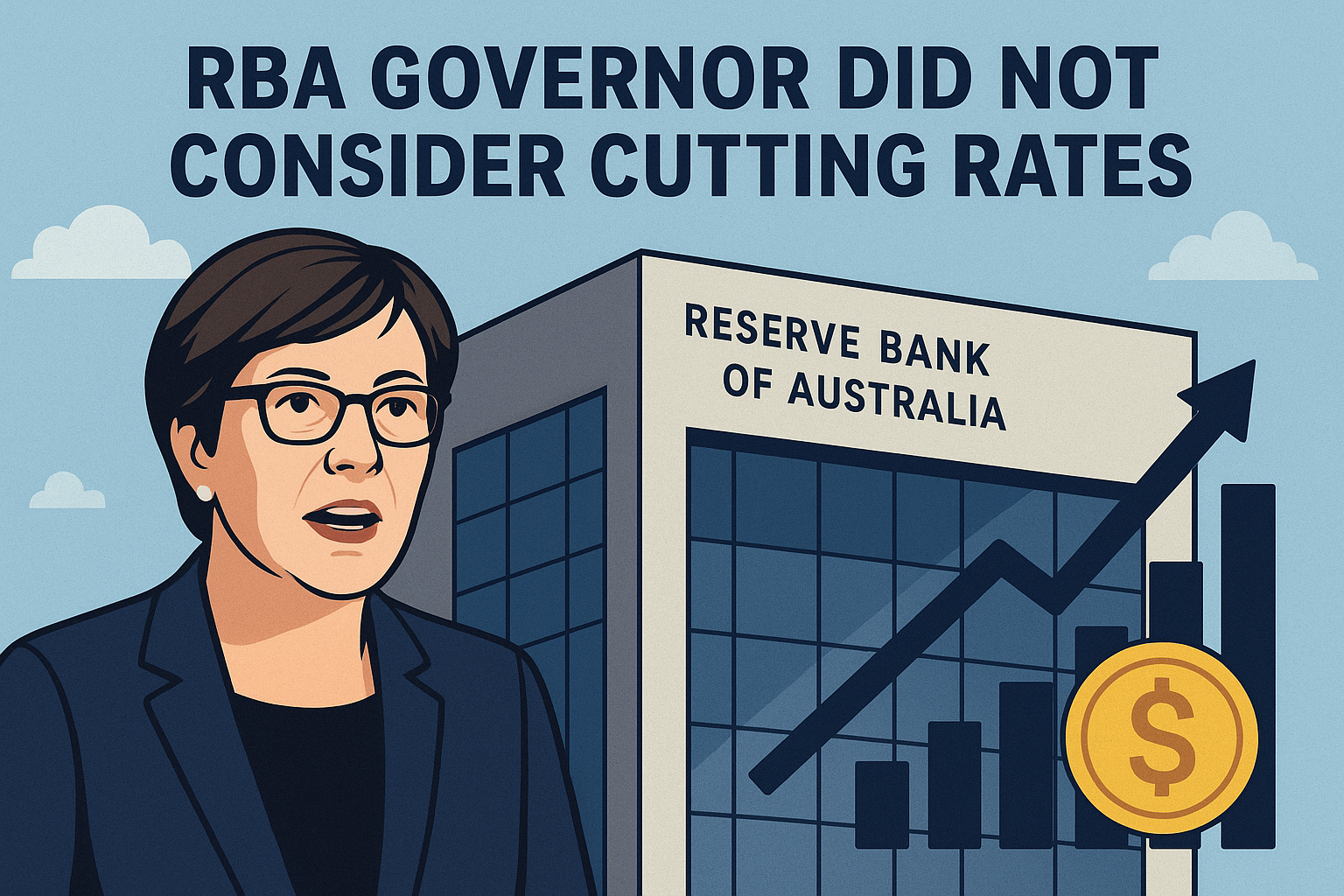
In a move that underscores the Reserve Bank of Australia’s cautious stance, Governor Michele Bullock confirmed that the central bank did not consider cutting interest rates at its latest policy meeting. Her clear message sent a wave of recalibration through markets that had begun pricing in an early start to rate cuts amid signs of slowing growth.

Bullock’s remarks highlight that while progress has been made in taming inflation, the RBA’s battle is far from over. The tone of her comments reinforces the idea that monetary policy will remain tight until inflation convincingly returns to target — even if that means enduring some economic softness in the near term.

1. No Discussion on Rate Cuts — Patience Is Key

Governor Bullock’s statement was both firm and deliberate: rate cuts are not on the table.

The RBA board, she explained, did not even entertain the idea of easing policy during its latest meeting. This signals that policymakers remain focused on ensuring inflation returns sustainably to the 2–3% target range before shifting to a more accommodative stance.

This stance sharply contrasts with growing market expectations that the RBA would begin cutting rates in the coming quarters, mirroring moves anticipated from other major central banks like the U.S. Federal Reserve. Bullock’s words now serve as a reality check for those forecasts.

In short, the RBA is not ready to declare victory on inflation — not yet.

2. Inflation Remains a Persistent Problem

While headline inflation has eased from its 2022 peak, the decline has been slower than expected. Bullock acknowledged that inflation has moderated in some areas, but the central bank remains wary of underlying price pressures that continue to run above comfort levels.

She pointed to persistent inflation in housing rents, services, and utilities — areas that directly affect household budgets. Temporary factors such as higher fuel and travel costs have also added volatility to recent inflation readings.

For the RBA, the message is clear: inflation is still too high for rate relief to be justified. The goal now is to prevent these lingering price pressures from becoming entrenched in wage expectations or consumer behavior.

3. A Balanced Labor Market, But No Panic Yet

The Australian labor market has softened slightly, with unemployment ticking higher in recent months. However, Bullock made it clear that this modest uptick does not yet signal a broader downturn.

Employment levels remain historically high, and wage growth — while cooling — is still solid enough to support household spending. For the RBA, this indicates that the economy remains resilient enough to withstand current interest rate levels.

In other words, while some sectors are feeling the pinch of high borrowing costs, the overall labor picture doesn’t yet justify a shift toward rate cuts. Policymakers appear content to wait for clearer evidence of disinflation before making any moves.

4. Policy Flexibility Will Define the Path Ahead

Bullock emphasized that the RBA’s approach remains data-dependent and flexible. If inflation unexpectedly accelerates, further tightening is not off the table. Conversely, if growth weakens more sharply or unemployment rises significantly, the central bank could reassess its stance.

This balancing act is typical of Bullock’s pragmatic leadership style. She has made it clear that the RBA will respond to economic realities rather than follow market sentiment. This flexibility is particularly important in an environment where global and domestic uncertainties remain high — from geopolitical risks to changing commodity prices.

For investors, this signals a steady, cautious hand at the helm — one unwilling to commit to a pre-set path until the data demands it.

5. Markets Rethink Their Rate Cut Bets

Bullock’s statement immediately influenced financial markets. Prior to her comments, traders had been betting that the RBA might cut rates as early as mid-2025. Those expectations have now been tempered.

Bond yields edged higher as markets repriced the likelihood of extended policy restraint. The Australian dollar also found modest support, benefiting from a perception that the RBA will keep rates elevated longer than many of its global peers.

Equity markets, meanwhile, reacted cautiously. High borrowing costs continue to pressure rate-sensitive sectors such as real estate, consumer discretionary, and utilities. However, investors also recognize that Bullock’s consistency helps preserve macroeconomic stability — a long-term positive for confidence.

6. The Broader Economic Context

Australia’s economy is currently navigating a tricky midpoint: inflation remains sticky, but consumer spending and business investment are slowing. Household budgets are under pressure from higher mortgage repayments and rising living costs, yet employment levels and export performance have provided a cushion.

Against this backdrop, Bullock’s decision to hold firm is not surprising. Easing too early could risk undoing the progress made on inflation, forcing even tighter policy later. The governor’s message is therefore one of patience and prudence — qualities that markets often underestimate but which central banks value most.

7. What Investors Should Watch Next

The focus now shifts to upcoming inflation data and wage growth numbers. If inflation begins to cool more decisively — especially in services — markets may again start pricing in rate cuts for the second half of 2025.

However, if underlying price pressures prove stubborn, Bullock may keep rates higher for longer, even at the risk of slower growth. This would align with her repeated message: the RBA’s priority is to finish the job on inflation, not to chase short-term market expectations.

Currency traders should keep a close eye on the Australian dollar, which could strengthen if the RBA remains more hawkish than peers like the Fed or the European Central Bank. Bond investors, on the other hand, may face near-term volatility as yield curves adjust to a longer tightening horizon.

8. A Message of Realism and Responsibility

Governor Bullock’s candid tone reflects a broader truth: the RBA’s work is not finished. Inflation control is proving tougher than expected, but her determination to stay the course sends a reassuring signal of stability and resolve.

For households, businesses, and investors, the key takeaway is that Australia’s monetary policy will remain cautious, deliberate, and guided by data — not emotion. The RBA is willing to wait, watch, and act only when necessary.

That may frustrate markets hoping for faster relief, but in the long run, it’s the kind of discipline that builds confidence and credibility.

Bottom Line

Michele Bullock’s statement that the RBA “did not consider cutting rates” is not just a policy comment — it’s a reflection of Australia’s economic reality. Inflation remains too high, growth is moderating but stable, and patience is the central bank’s most valuable tool.

For investors, this means the path to lower rates will likely be slower than markets hope — but ultimately steadier and more sustainable when it arrives.

Japan PM Takaichi Says Economic Reforms Are Only Halfway Through: What It Means for Markets

Japan PM Takaichi Says Economic Reforms Are Only Halfway Through: What It Means for Markets

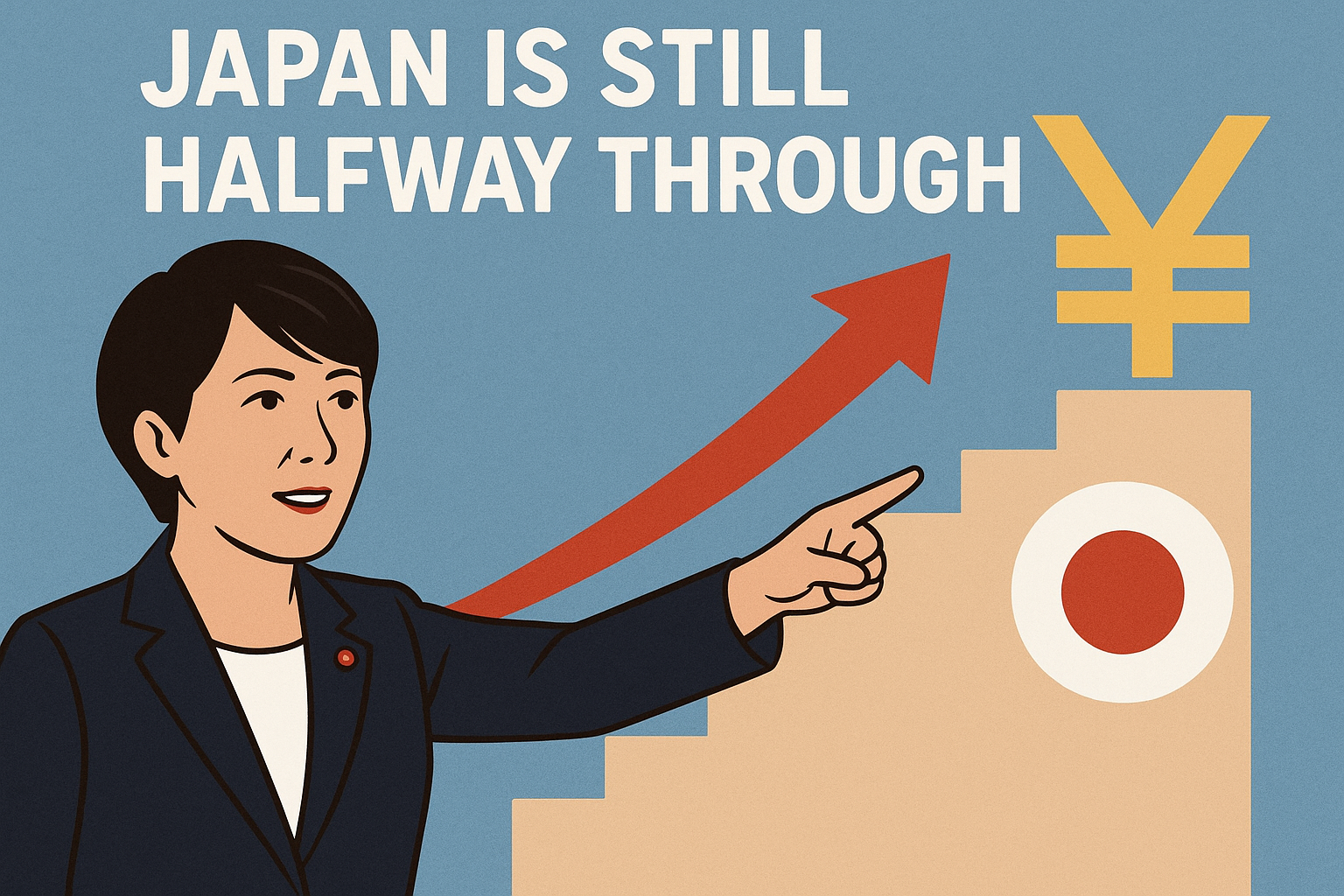
Japan’s Prime Minister Sanae Takaichi recently struck a tone of both realism and resolve when she remarked that the nation is “still halfway through” its economic reform journey. Her words carry deep significance not only for Japanese citizens but also for global investors, currency traders, and policy watchers who closely follow Asia’s second-largest economy.

As the yen continues to trade near multi-year lows and Japan’s stock market attempts to sustain its rally, Takaichi’s comments highlight the delicate balancing act her government faces — driving structural reform, sustaining growth, and managing inflation without derailing market stability.

Let’s explore what her statement really means, why it matters for Japan’s future, and how investors should interpret it.

1. Acknowledging That Japan’s Work Isn’t Done

Takaichi’s remark that Japan is “halfway through” its reform process may sound modest, but it’s actually a candid admission of how challenging the country’s economic transformation has been.

Since the early 2010s, Japan has pursued a series of structural reforms under “Abenomics” — a three-pronged approach combining fiscal stimulus, monetary easing, and structural changes. While the early stages helped lift corporate profits and boost the stock market, many of the deeper structural reforms, such as labor market flexibility, productivity enhancement, and demographic renewal, remain unfinished.

By saying the nation is still in the middle of this journey, Takaichi is effectively signaling that her administration won’t slow down or declare victory prematurely. For investors, this is a sign of policy continuity — a reassurance that the reform engine will keep running.

2. Fiscal and Monetary Teamwork Still Critical

One of Takaichi’s key messages was the need for continued coordination between the Japanese government and the Bank of Japan (BOJ).

For years, the BOJ has maintained an ultra-loose monetary stance, using yield curve control and massive asset purchases to stimulate inflation and encourage borrowing. However, as global rates have risen and Japan’s inflation has inched higher, some policymakers and investors have debated whether the BOJ should start tightening its stance.

Takaichi’s words suggest a different priority — ensuring that monetary and fiscal policies work hand in hand rather than pulling in opposite directions. In other words, while the BOJ may gradually adjust, any moves must align with the government’s growth agenda.

For the yen and bond markets, this could mean that aggressive tightening is unlikely in the near term. The government wants inflation to stay sustainably around 2%, not collapse due to premature tightening.


3. The Structural Reform Challenge

Despite years of effort, Japan still struggles with some deep-rooted structural issues. Productivity growth remains modest, wages have been slow to rise, and the aging population continues to weigh on the labor force.

Takaichi emphasized that reforms in labor participation, women’s employment, and technological adoption are critical. Japan needs to strengthen innovation and automation while encouraging more young and female workers to enter the job market.

For equity investors, this could mean renewed opportunities in sectors tied to automation, robotics, and AI — industries Japan already excels in but could further expand under stronger government support. Companies driving digital transformation and workforce efficiency may benefit most as the government doubles down on reform.

4. Demographics and Debt: The Double Burden

No discussion about Japan’s economy is complete without mentioning its two biggest long-term hurdles — demographics and public debt.

Japan’s population is not just aging; it’s shrinking. By 2050, the country could lose nearly one-fifth of its current population. This poses enormous challenges for economic productivity and fiscal sustainability.

At the same time, Japan carries one of the highest debt-to-GDP ratios in the developed world — above 250%. Takaichi acknowledged that addressing these dual pressures requires a careful approach: stimulating growth through reform and innovation while maintaining fiscal discipline.

For global investors, this dual challenge is both a risk and an opportunity. On one hand, it limits Japan’s fiscal flexibility; on the other, it forces the government to innovate, automate, and reform — creating fertile ground for forward-looking sectors.

5. What the “Halfway” Message Signals to Investors

Takaichi’s “halfway through” remark wasn’t just philosophical. It was strategic.

She’s reminding domestic and international audiences that Japan’s economic story isn’t over — it’s evolving. The government isn’t retreating from reform but preparing for the next stage, which may focus more on boosting domestic demand, reforming labor markets, and accelerating technology investment.

For market participants, this means three key takeaways:

  • Policy stability will remain intact — Japan won’t shock markets with sudden U-turns.
  • Gradual reform will continue — though progress may feel slow, the long-term direction is positive.
  • Equity resilience may persist — Japan’s corporate sector, with record cash reserves and strong balance sheets, remains positioned to benefit from reform momentum.

6. Market and Yen Outlook

In currency markets, the yen’s weakness has been a double-edged sword. It supports exporters like Toyota and Sony but also raises import costs for energy and food.

Takaichi’s statement likely reassures traders that no abrupt policy tightening is coming, meaning the yen could remain under pressure until Japan sees more solid inflation driven by wage growth rather than imported costs.

However, once the reform cycle matures — especially if wage growth picks up — the yen could begin to strengthen gradually, supported by improved fundamentals rather than speculation.

In equities, foreign investors have been pouring money into Japanese stocks throughout 2024–2025, encouraged by corporate governance reforms and shareholder-friendly policies. Takaichi’s message of “continuing reform” adds another layer of confidence that these initiatives will not lose momentum.

7. The Road Ahead

Takaichi’s realism stands out in a world where leaders often declare success too soon. Her acknowledgment that Japan’s journey is ongoing is a message of both humility and determination.

For Japan, “halfway through” means there is still a long climb ahead — but it also means the foundation has been laid. The economy is more stable than it was a decade ago, corporations are more disciplined, and innovation is thriving.

For investors, this is a time to stay engaged rather than cautious. Japan’s reform story is not over — it’s entering a more strategic phase that could define its next decade of growth.

In essence, Prime Minister Takaichi’s message is one of cautious optimism. Japan’s economy is maturing, reforming, and adapting — not quickly, but steadily. For markets, that patience and persistence might just be the stability they’ve been waiting for.

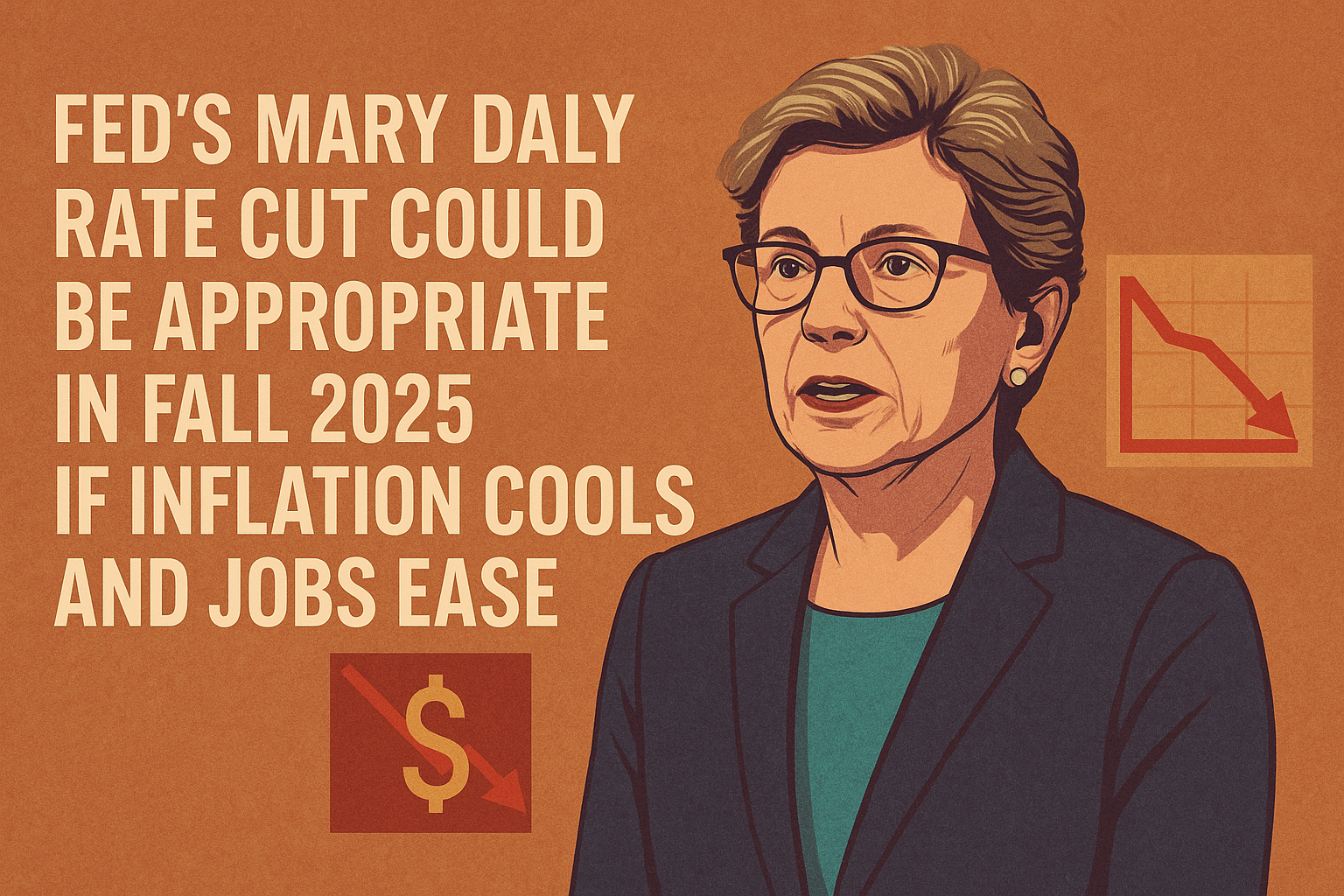
Fed’s Mary Daly Says Rate Cut Would Be “Appropriate” if Inflation and Job Market Cool Further

Fed’s Mary Daly Says Rate Cut Would Be “Appropriate” if Inflation and Job Market Cool Further

In a recent statement that caught the attention of global markets, Mary Daly, President of the Federal Reserve Bank of San Francisco, said a rate cut could be appropriate later this year—likely in the fall—if current economic trends continue. Her remarks underscore the central bank’s cautious but evolving stance as it seeks to balance inflation control with maintaining a healthy labor market.

Daly’s comments came amid growing speculation about when the Federal Reserve might begin easing its monetary policy. With inflation gradually cooling and the job market showing early signs of softening, investors have been eagerly awaiting clues on the Fed’s next move. While Daly stopped short of committing to a specific timeline, her message was clear: a rate cut is on the table, but only if the data supports it.


A Measured Approach to Policy Easing

Mary Daly made it clear that the Federal Reserve remains committed to a data-driven approach. She emphasized that any decision to lower rates will depend on continued progress toward the Fed’s 2% inflation target and further evidence that the labor market is cooling in a sustainable way.

According to Daly, “A rate cut in the fall could be appropriate if the economy continues to evolve as expected—meaning inflation moves closer to target and the labor market cools further.” However, she also cautioned that a July rate cut would be premature, suggesting that the Fed needs “more confidence in the data” before making such a decision.

This cautious stance reflects the Fed’s ongoing challenge: balancing the need to prevent a sharp economic slowdown while ensuring inflation doesn’t rebound. Daly’s remarks imply that the central bank wants to avoid acting too early, which could risk reigniting price pressures, but also doesn’t want to wait too long, which could weaken the job market unnecessarily.


Inflation Progress Encouraging, But Risks Remain

Recent inflation data in the United States has been encouraging, with consumer prices showing a steady decline from the highs of 2022. The Fed’s preferred measure, the core Personal Consumption Expenditures (PCE) price index, has gradually moved closer to the 2% target. However, some officials, including Daly, believe the fight against inflation isn’t over yet.

Daly explained that while progress has been made, inflation remains “sticky” in some categories, particularly in services and housing. She noted that policymakers must be careful not to interpret short-term improvements as a guarantee of long-term success.

“We’ve seen good progress, but we need to be sure inflation is on a sustainable path toward 2%,” Daly said. “That means waiting for data that gives us confidence that prices will continue to stabilize.”

Her comments align with other Fed officials who have urged patience, stressing that a few months of positive data are not enough to declare victory. The Fed’s cautious tone reflects lessons learned from past cycles when premature easing led to inflationary rebounds.


Labor Market Still Solid, But Cooling

Another key consideration for the Fed is the state of the U.S. labor market. Over the past two years, the job market has been remarkably resilient, with low unemployment and steady wage growth. However, there are signs that momentum is slowing.

Daly acknowledged that while labor demand remains strong, there are “emerging signs of softening,” such as fewer job openings, slower hiring rates, and a modest decline in wage growth. These developments suggest that the labor market is moving toward better balance—a positive sign for the Fed as it looks to reduce inflationary pressures without causing widespread job losses.

Still, Daly was quick to clarify that the Fed is not seeing a severe slowdown. “We are not witnessing a meaningful or persistent decline in employment,” she said. “But if we did, that would be a signal that policy may need to adjust.”

Her remarks highlight the fine line the Fed is walking. On one hand, it wants to prevent the economy from overheating. On the other, it must ensure that restrictive monetary policy doesn’t tip the economy into a recession.


Guarding Against Premature Easing

One of Daly’s strongest points was her warning against cutting interest rates too soon. She noted that the Fed “cannot afford to allow the labor market to weaken too much while waiting for inflation to tick back up.” In other words, the central bank needs to time its move carefully—ensuring inflation is under control while avoiding unnecessary economic damage.

“Monetary policy works with long and variable lags,” Daly said, meaning that the effects of previous rate hikes are still working their way through the economy. Cutting rates too quickly could undo some of that progress and risk a resurgence in prices.

This cautious tone echoes recent comments from other Fed officials, including Chair Jerome Powell, who has reiterated that the Fed will act only when it has “greater confidence” that inflation is sustainably moving toward target.


Market Reactions and Investor Sentiment

Financial markets responded cautiously to Daly’s remarks. Bond yields edged slightly lower, while equity markets saw modest gains, reflecting optimism that the Fed is preparing for potential easing later this year. The U.S. dollar, meanwhile, held steady as traders assessed the balance between inflation risks and rate-cut prospects.

Analysts interpreted Daly’s comments as a signal that the first rate cut could come in the fall, possibly in September or November, depending on how the data evolves. “This isn’t a green light, but it’s a clear sign the Fed is preparing the groundwork,” said one market strategist.

Investors are now watching upcoming data releases closely, including CPI, PCE inflation, and employment reports, which could influence the Fed’s timing and pace of future policy adjustments.


Data Dependency: The Fed’s Core Principle

At the heart of Daly’s message is the Fed’s steadfast commitment to data dependency. Rather than following a preset path, policymakers are evaluating each economic development in real time. This approach, Daly said, ensures flexibility and responsiveness to evolving conditions.

“The economy doesn’t move in straight lines, and neither should policy,” she explained. “We have to follow the data wherever it leads.”

For now, Daly believes the current policy stance remains appropriate, suggesting that rates are restrictive enough to bring inflation down without causing significant harm to growth. However, she left the door open for adjustments if the economic landscape shifts.


Conclusion: Cautious Optimism

Mary Daly’s comments offer a window into the Federal Reserve’s current mindset—one of cautious optimism tempered by vigilance. A rate cut is possible, perhaps even likely, later in 2025, but only if inflation and employment data align in the coming months.

Her remarks reinforce the idea that the Fed’s decisions will be guided by evidence, not speculation. For businesses, investors, and consumers, that means staying alert to economic indicators that could influence the timing of the next major policy move.

In summary, Daly’s balanced tone suggests that while the era of aggressive rate hikes may be behind us, the path to lower rates will be gradual, deliberate, and data-driven—ensuring that the U.S. economy remains steady as it transitions toward sustainable growth.

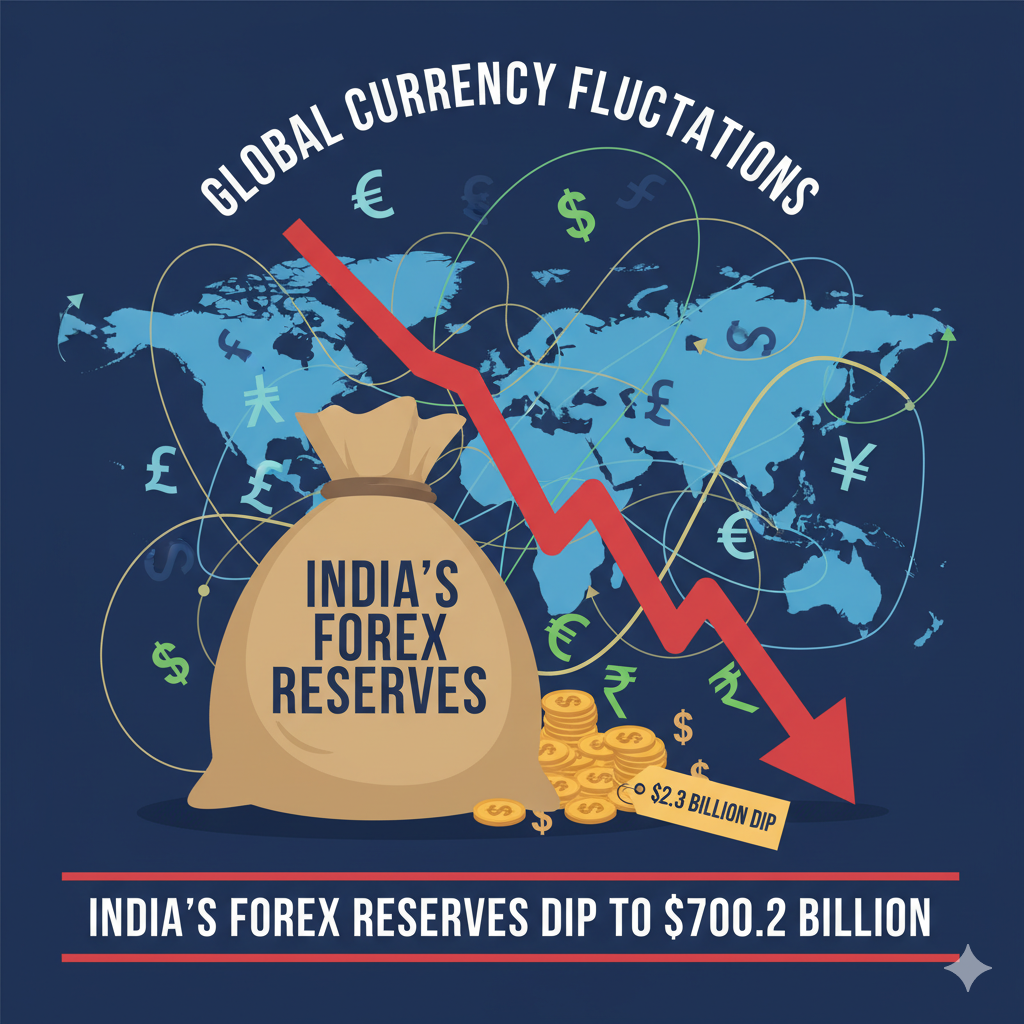
India’s Forex Reserves Dip by $2.3 Billion to $700.2 Billion Amid Global Currency Fluctuations

India’s foreign exchange reserves, often seen as the financial backbone of the country’s economic stability, witnessed a moderate decline for the week ending September 26, 2025. According to the Reserve Bank of India (RBI), the reserves dropped by $2.334 billion, bringing the total down to $700.236 billion. This fall comes after a smaller dip of about $396 million recorded in the previous week.

Despite the decline, experts note that India’s reserves remain robust and resilient, capable of covering more than 11 months of imports, offering a strong cushion against external shocks such as oil price volatility, global interest rate changes, and currency market turbulence.


A Closer Look at the Decline

The decline in India’s forex reserves is primarily driven by a sharp fall in foreign currency assets (FCA), which form the largest component of the total reserves. The FCA decreased by $4.393 billion, taking the total to $581.757 billion.

Foreign currency assets reflect the country’s holdings in major global currencies such as the US dollar, euro, pound sterling, and yen. When these currencies fluctuate against the US dollar—the benchmark in which India’s reserves are measured—it often results in changes in the valuation of the reserves.

Analysts suggest that the latest dip could be linked to foreign portfolio outflows and dollar appreciation in global markets, leading to a decline in the value of non-dollar holdings. Additionally, periodic interventions by the RBI to stabilize the rupee against volatility may also have contributed to the drawdown.


Gold Shines Bright Amid Currency Pressure

While the foreign currency component saw a notable fall, India’s gold reserves recorded a strong rise of $2.238 billion, taking their total value to $95.017 billion.

The increase in gold reserves can be attributed to the rising global gold prices driven by growing geopolitical uncertainties and sustained central bank demand for the precious metal. As investors sought safety in gold amid concerns over slowing global growth and inflationary pressures in advanced economies, the metal’s price rallied.

For India, this surge provided a partial offset to the overall decline in total forex reserves. Gold continues to play a vital role in India’s reserve composition as a hedge against currency risk and a long-term store of value.


IMF Reserve Position Also Slips Slightly

Another component of India’s reserves, the reserve position with the International Monetary Fund (IMF), saw a marginal decline of $89 million, bringing it down to $4.673 billion.

This position represents the amount India can draw from the IMF’s resources in case of balance-of-payments needs. Although the change is minor, it reflects the ongoing adjustments in India’s international financial commitments and allocations within the IMF framework.


India’s Forex Reserves Still Among the World’s Largest

Despite the recent dip, India continues to maintain one of the largest foreign exchange reserve pools in the world—standing close to $700 billion. These reserves serve multiple critical purposes, including:

  • Maintaining currency stability: The RBI uses reserves to manage volatility in the rupee by buying or selling foreign currencies as needed.
  • Supporting external trade: Reserves act as a financial buffer to pay for imports, particularly essential goods like oil, electronics, and defense equipment.
  • Enhancing investor confidence: A healthy level of reserves reassures foreign investors about India’s ability to withstand external shocks and maintain economic stability.
  • Reducing sovereign risk: Ample reserves lower the likelihood of a balance-of-payments crisis, helping India retain favorable credit ratings.

Currently, India’s reserves are enough to cover over 11 months of imports, well above the comfort level typically recommended by economists. This strong position underscores the RBI’s prudent management of foreign assets and its ability to safeguard against potential global uncertainties.


Rupee Performance and RBI’s Role

In recent months, the Indian rupee has faced moderate pressure due to a combination of global and domestic factors. The strengthening of the US dollar index, rising US Treasury yields, and persistent concerns about energy prices have weighed on emerging market currencies, including the rupee.

To prevent excessive depreciation and maintain orderly movement in the currency market, the RBI actively intervenes by selling dollars from its reserves. While this helps stabilize the rupee in the short term, it also leads to a temporary reduction in overall forex reserves.

According to market experts, such interventions are a necessary trade-off:

“A slightly lower reserve level is a small price to pay for maintaining currency stability in volatile global conditions,” noted an analyst from a leading brokerage firm.


Global Context: Other Economies Also Seeing Reserve Movements

India’s recent decline in forex reserves mirrors trends seen in several other major economies. Many central banks across Asia, including China, South Korea, and Japan, have reported fluctuations in their reserve holdings due to shifting currency valuations and policy interventions.

The strength of the US dollar and uncertain interest rate outlook in the United States have made dollar-denominated assets more attractive, prompting many emerging market central banks to rebalance their portfolios.

In this environment, India’s ability to maintain reserves above the $700 billion mark is a sign of resilience. The RBI’s careful management, supported by steady capital inflows and remittances, continues to ensure external stability.


Outlook: Stable but Cautious

Looking ahead, analysts expect India’s forex reserves to remain stable in the near term, though periodic fluctuations are likely. The direction of global commodity prices, US interest rates, and foreign investor sentiment will play a major role in shaping future reserve trends.

As India continues to attract foreign direct investment (FDI) and portfolio flows, the overall external position remains strong. Additionally, rising service exports—especially from the IT sector—are expected to keep dollar inflows steady.

Economists emphasize that as long as India maintains reserves above the $650 billion threshold, the country will remain well-shielded from external shocks, even in a volatile global environment.


Conclusion

The recent $2.3 billion dip in India’s forex reserves reflects natural adjustments amid global currency market movements rather than any underlying weakness in the economy. With total reserves still comfortably above $700 billion, India’s external position remains solid, allowing the RBI to manage currency stability effectively.

As global markets continue to evolve, India’s focus on balanced growth, disciplined fiscal management, and prudent reserve handling ensures that it stays resilient against external headwinds.

In essence, while the decline may appear significant on paper, the broader picture paints a story of strength, stability, and careful economic stewardship—hallmarks of India’s growing confidence on the global financial stage.

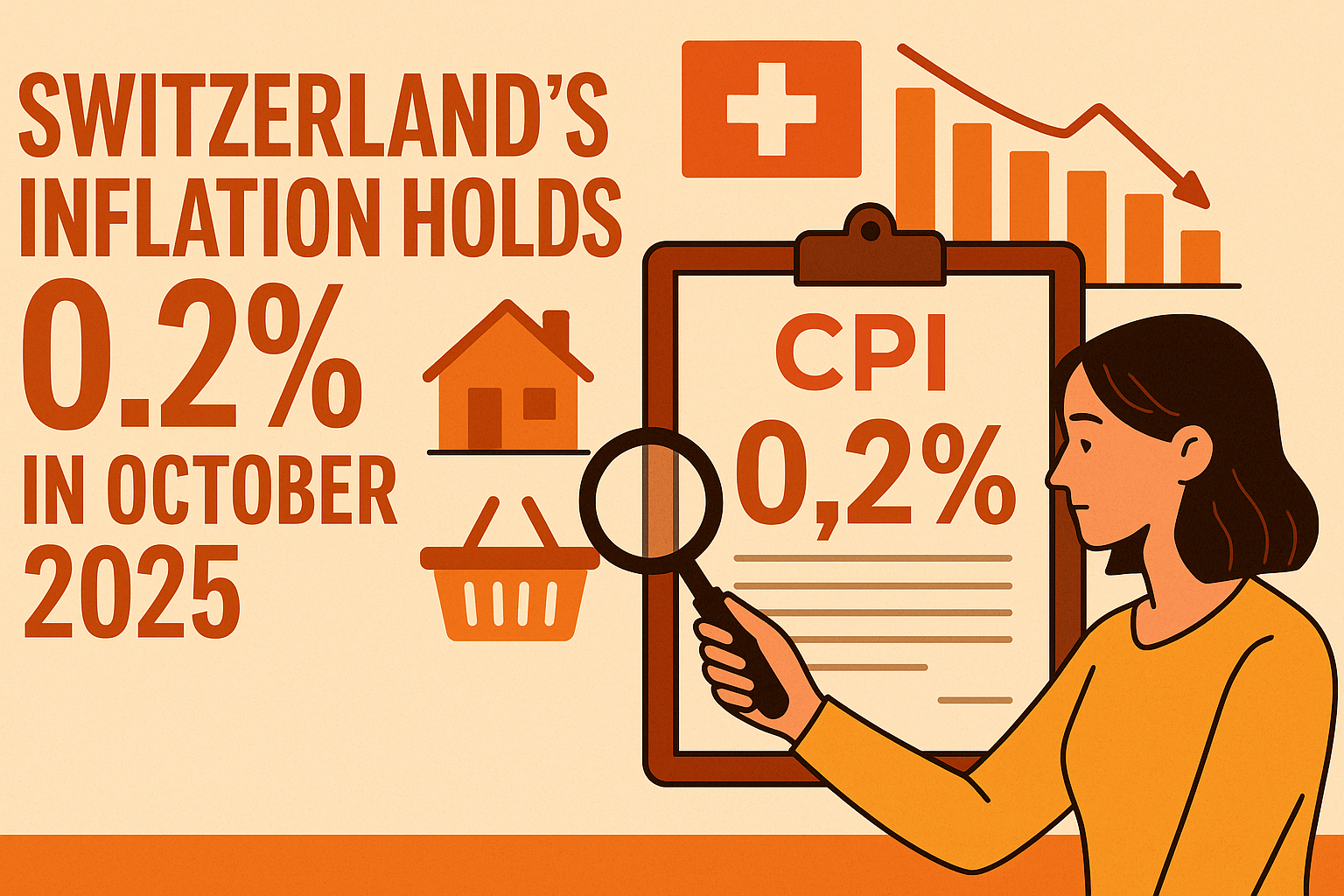
Switzerland’s Inflation Holds at 0.2% in October 2025, Highlighting Stable but Subdued Price Growth

Switzerland’s Inflation Holds

Switzerland’s inflation data for October 2025 paints a clear picture of a nation continuing to grapple with exceptionally low price growth, even as many other advanced economies battle elevated inflation pressures. According to the latest data released by the Swiss Federal Statistical Office (FSO), the country’s Consumer Price Index (CPI) rose just 0.2% year-on-year, underscoring a stable yet subdued inflation environment that has persisted for most of the year.

While this modest increase keeps Switzerland among the countries with the lowest inflation rates globally, it also highlights the challenge the Swiss National Bank (SNB) faces in balancing price stability with growth. The monthly data showed that the CPI actually declined by 0.2% in October, a sharper fall compared to the 0.1% drop in August, suggesting that short-term price pressures remain weak.


Inflation Trends Stay Subdued

For months, Switzerland has stood apart from most Western economies due to its remarkably low inflation. While countries like the U.S. and the Eurozone have seen consumer prices rise at rates between 2% and 3%, Switzerland’s inflation has remained comfortably below 1%. The October figure of 0.2% marks one of the lowest inflation readings among major developed economies.

Several factors explain this stability. The Swiss franc, known as one of the world’s strongest and most stable currencies, has played a major role in keeping import prices low. Because the franc tends to appreciate during times of global uncertainty, imported goods—from energy to consumer electronics—become cheaper in local currency terms. This currency strength acts as a natural shield against inflation.

Additionally, Switzerland’s highly competitive retail environment and efficient supply chains limit price markups. Domestic producers and sellers often absorb minor cost increases instead of passing them on to consumers, helping keep inflation contained.


Breakdown of Price Movements by Sector

The latest data reveals that not all categories behaved uniformly. Some sectors saw small price gains, while others experienced outright declines.

Housing and utilities recorded a modest increase of around 0.7% in October, reflecting higher rental costs and maintenance fees. Real estate remains one of the few areas where inflation is noticeable, driven largely by limited housing supply and ongoing demand in major cities such as Zurich and Geneva. However, even here, price increases remain far less aggressive compared to other European markets.

On the other hand, food and non-alcoholic beverages saw a price decline of roughly 0.8%. Global food prices have moderated over the past few months due to better harvests and improved logistics, and Switzerland’s strong currency has further reduced import costs for food and beverages.

Transportation costs also fell slightly, largely due to lower global fuel prices and reduced vehicle demand. The easing of crude oil prices, combined with energy efficiency trends and the gradual shift toward electric vehicles, has contributed to cheaper transportation-related expenses.

In contrast, healthcare, communication, and recreation sectors saw little to no price movement. The stability across these segments demonstrates Switzerland’s continued economic resilience, with consumer demand remaining steady despite low inflation.


Why Inflation Remains Low in Switzerland

Switzerland’s persistent low inflation is the result of structural and policy-driven factors rather than temporary market trends. Firstly, the country’s strong monetary credibility plays a major role. The Swiss National Bank (SNB) has built a reputation for maintaining tight control over inflation expectations, ensuring that prices rarely surge out of control.

Moreover, the Swiss economy is characterized by high productivity and innovation, especially in sectors like pharmaceuticals, banking, and precision engineering. This allows companies to maintain profit margins without frequent price hikes. The combination of innovation and efficiency helps mitigate inflationary pressures even when global commodity costs rise.

Another important factor is the import-heavy nature of the Swiss economy. Because Switzerland relies heavily on imports for many consumer goods, its inflation rate is directly influenced by exchange rates. The strong franc makes imports cheaper, offsetting potential increases in global raw material or shipping costs.

Lastly, the government’s fiscal discipline and prudent spending policies have kept public debt and inflation expectations in check. Switzerland’s fiscal approach, combined with a conservative central bank stance, has been instrumental in maintaining price stability over time.


Implications for the Swiss National Bank

The SNB has maintained one of the most cautious monetary policies among developed nations. With inflation hovering near zero, the central bank faces little incentive to raise interest rates aggressively. Instead, it continues to focus on currency stability and avoiding excessive franc appreciation, which could hurt exporters.

However, the October inflation data reinforces the delicate balance the SNB must strike. On one hand, low inflation supports consumer purchasing power and keeps borrowing costs low. On the other, it raises concerns about sluggish price dynamics and the risk of deflation—a sustained fall in prices that can harm business confidence and investment.

The SNB may also be watching external factors closely. Global interest rates are beginning to stabilize after several years of hikes, and major central banks such as the U.S. Federal Reserve and the European Central Bank are signaling more neutral stances. This could give the SNB room to maintain or slightly ease its current policy if necessary.


Impact on the Swiss Economy and Consumers

For everyday Swiss consumers, the current inflation rate means that purchasing power remains strong. Prices for essential goods like food, fuel, and healthcare have been stable or even falling slightly, which benefits households. However, businesses, particularly exporters, face challenges as the strong franc continues to make Swiss products more expensive abroad.

This environment also affects wage dynamics. Since inflation is minimal, workers see less upward pressure on wages, leading to slower income growth. While this keeps production costs manageable for employers, it also means domestic demand could remain muted if wages fail to grow meaningfully.


Looking Ahead: A Stable But Cautious Outlook

Looking toward the end of 2025 and into early 2026, most analysts expect Switzerland’s inflation to remain below 1%. The combination of a strong currency, efficient markets, and stable fiscal policy will likely continue to suppress price growth.

However, some moderate price increases could appear in housing, utilities, and services as global economic conditions stabilize. If energy prices rebound or global supply chains tighten again, Switzerland could experience mild inflationary pressure, though still far below international levels.

In conclusion, the October 2025 Swiss CPI report reinforces Switzerland’s status as one of the most stable economies in the world. With inflation at just 0.2% year-on-year and monthly prices dipping slightly, the country’s economic fundamentals remain strong and predictable. While this low-inflation environment poses some challenges for policymakers and exporters, it continues to offer consumers and investors the security of a steady, well-managed economy—an enduring hallmark of the Swiss financial model.