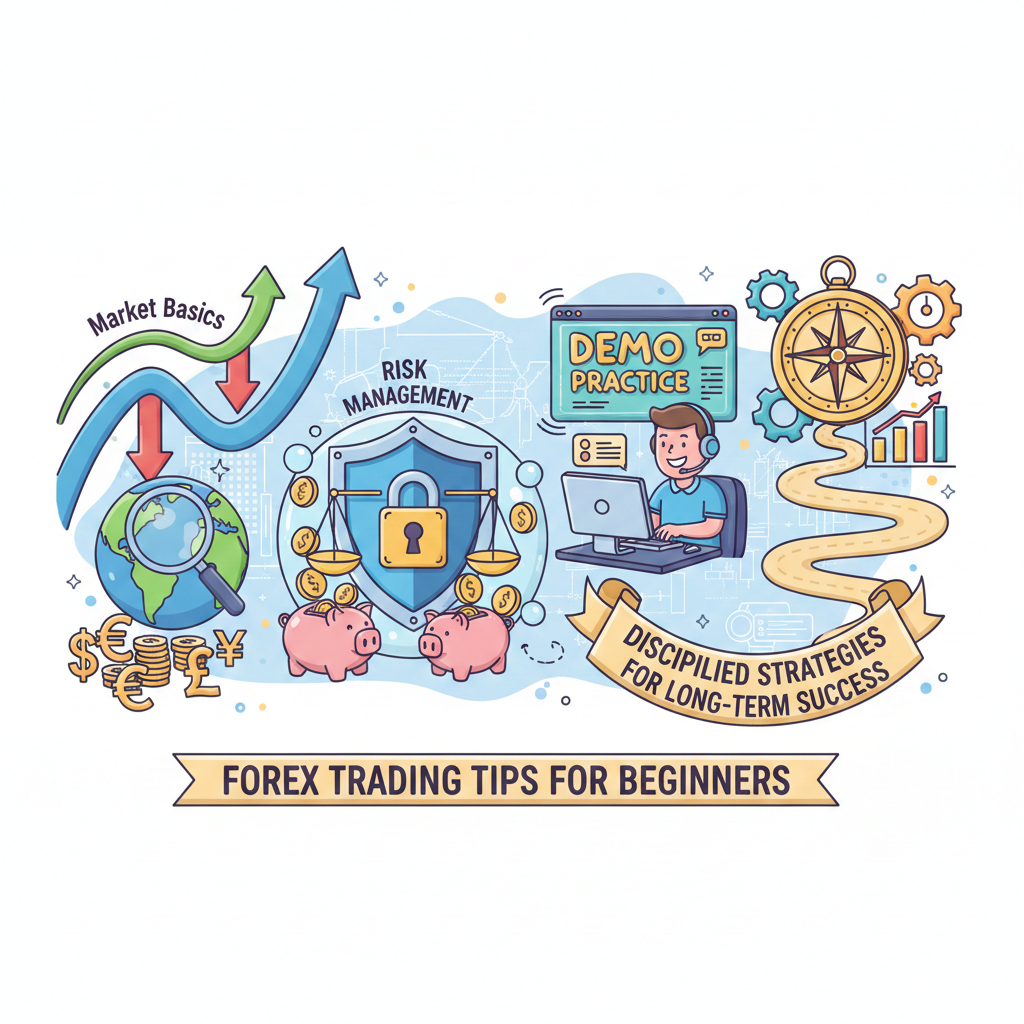
Forex trading attracts millions of new traders each year because of its accessibility, liquidity, and the possibility—although never the guarantee—of meaningful returns. But for all its opportunities, the forex market can be intimidating for beginners. Charts move fast, currencies react instantly to global events, and inexperienced traders often make emotional decisions that hurt their results.
To start on the right path, it’s essential to build a foundation based on knowledge, discipline, and risk control. Below is an in-depth, human-friendly explanation of the most important principles every new forex trader should master. These principles come from widely accepted trading best practices and align with the insights shared in Forex.com’s beginner trading guidelines.
1. Understand What Really Moves the Forex Market
Before entering a trade, you should know why a currency pair might move in the first place. The forex market doesn’t behave randomly—its movements usually relate to economic indicators, central bank actions, global news, and market sentiment.
For example:
- When inflation rises in a country, its central bank may hike interest rates, making its currency stronger.
- Positive GDP or employment data may cause investors to buy that currency.
- Political instability or natural disasters can weaken a currency as investors seek safer alternatives.
Understanding these relationships helps you separate high-quality trading opportunities from impulsive decisions. A beginner quickly becomes more confident once they understand why a particular currency is gaining or losing strength.
2. Build a Solid Trading Plan Before You Start
One of the biggest mistakes beginners make is entering the forex market without a clear plan. Trading without structure often leads to emotional decisions, revenge trading after a loss, or taking unnecessary risks. A proper trading plan acts like a road map—it keeps you focused, consistent, and disciplined.
A strong trading plan should include:
- Your financial goals — Are you aiming for slow long-term growth or short-term active trading?
- Your preferred trading style — scalping, day trading, swing trading, or position trading.
- Entry and exit rules — so you know exactly when to open or close trades.
- Risk per trade — typically beginners risk 1–2% of their account on any single setup.
- How you evaluate and review your trades — to learn and improve over time.
Setting these rules in advance reduces stress and helps you stay consistent, because you’re no longer reacting emotionally—you’re following your own trusted system.
3. Practice With a Demo Account Before Touching Real Money
Forex trading platforms can feel overwhelming at first. There are different types of orders, charting tools, indicators, and technical analysis features. Jumping straight into live trading without understanding these basics is risky.
A demo account lets you:
- Test strategies without financial risk
- Learn how to open and close positions
- Understand how spreads and swaps work
- Get comfortable with risk-management tools like stop-loss and take-profit orders
- Build confidence through experience
Though demo results don’t reflect the emotional pressure of trading real money, they are crucial for developing your skills. Treat your demo account like real capital, and you’ll be far better prepared for live markets.
4. Risk Management Is the Heart of Long-Term Success
Regardless of how good your strategy is, no trader wins all the time. Losses are a natural part of trading. What separates successful traders from unsuccessful ones is how they manage those losses.
Beginners often make the mistake of putting too much money into a single trade or skipping stop-loss orders. But risk management is what protects your account from unexpected market swings.
Here are the most important risk-management principles:
- Never risk more than you can afford to lose.
- Use stop-loss orders to limit potential damage.
- Avoid oversizing your trades. A small account doesn’t justify very large positions.
- Diversify—don’t put all your capital into a single currency pair.
- Know your maximum daily and weekly loss limits.
Good risk control ensures you stay in the game long enough to learn, improve, and eventually succeed. Many experienced traders say risk management is more important than strategy—because strategy wins trades, but risk control protects your capital.
5. Know When to Stop Trading
New traders often get emotionally attached to their trades. If they lose, they may try to win it back immediately. If they win, they may feel overconfident and take unnecessary risks. Both behaviors lead to poor decision-making.
The ability to stop—whether after a winning streak, a losing streak, or simply when you’re not in the right mental state—is a crucial skill. Good traders know that the market will always be there tomorrow. You don’t need to trade every hour or chase every opportunity.
Some important habits include:
- Stopping for the day after hitting your loss limit
- Taking breaks if you feel emotional, stressed, or impatient
- Avoiding trading when tired or distracted
- Pausing after a big win to avoid overtrading
Trading is a mental game. Being able to step back gives you clarity, renews your discipline, and prevents costly mistakes.
6. Commit to Continuous Learning
The forex market changes constantly. Economic cycles shift, central banks adjust policies, geopolitical events emerge, and new strategies become popular. Because of this, forex trading is not a skill you learn once and master forever—it’s a continuous learning process.
A great trader is always improving by:
- Studying the market daily
- Reviewing past trades to identify mistakes
- Learning new strategies
- Keeping track of financial news
- Refining risk management rules
- Staying updated with global economic developments
Every trade teaches you something. Over time, you learn to identify high-quality setups, understand market behavior, and develop your own trading personality. The more you learn, the more confident and skilled you become.
Final Thoughts
Forex trading offers immense opportunity, but it demands knowledge, patience, and discipline. Beginners who rush into the market without preparation often lose money. But those who take time to understand market drivers, build a solid plan, practice responsibly, and manage risk with precision give themselves a real chance to succeed.
By following the core principles—market understanding, planning, risk control, continuous learning, and emotional discipline—you can approach forex trading in a smarter, safer, and more structured way. In the long run, these habits are what separate disciplined traders from impulsive ones.